
NMN - A Small Molecule, Revealing its Brilliance


If you’ve been following longevity research over the past decade, you’ve likely encountered three letters that keep appearing in scientific headlines: NMN. Short for nicotinamide mononucleotide, NMN is a naturally occurring molecule that has captured the attention of researchers, clinicians, and health-conscious individuals worldwide.
At its core, NMN serves as a direct precursor to nicotinamide adenine dinucleotide, commonly known as NAD⁺. This coenzyme is central to cellular energy production, DNA repair, and hundreds of metabolic processes that keep your cells functioning properly. The challenge is that NAD⁺ levels in the human body tend to decline with age—a phenomenon increasingly linked in research to age-related changes in metabolism, cellular repair capacity, and overall physiological resilience.
Interest in NMN supplementation surged following groundbreaking work by researchers like Shin-ichiro Imai and David Sinclair in the 2010s. Their animal studies demonstrated that boosting NAD⁺ through precursors like NMN could mitigate certain aspects of age-related decline in mice. Since then, an increasing number of human trials have emerged, though the evidence remains early-stage and not yet conclusive for many outcomes.
This article provides an informational overview only—not medical advice. We’ll summarize peer-reviewed science, explore the regulatory context, and offer practical considerations for those seeking to understand this intriguing molecule. Whether you’re new to NMN or looking to deepen your knowledge, this guide will help you separate established findings from ongoing questions.

What Is NMN? A Closer Look at a “Small” Molecule
To understand why researchers are excited about NMN, it helps to know exactly what this molecule is and where it comes from.
NMN is a nucleotide—one of the building blocks of cellular chemistry. Its structure consists of three components:
A nicotinamide group (a form of vitamin B3)
A ribose sugar
A phosphate group
With a molecular weight of approximately 334 g/mol, NMN is small enough to be absorbed relatively efficiently and converted into NAD⁺ within tissues. This conversion happens through what scientists call the “salvage pathway,” which recycles vitamin B3 forms like nicotinamide back into active NAD⁺.
Where Does NMN Come From Naturally?
While your body produces NMN naturally as part of normal metabolism, trace amounts also appear in certain foods. Research has identified NMN in:
Food Source |
Approximate NMN Content |
|---|---|
Edamame |
0.5–1.0 mg per 100g |
Broccoli |
0.3–1.0 mg per 100g |
Cucumber |
0.1–0.5 mg per 100g |
Avocado |
0.3–1.0 mg per 100g |
Cow’s milk |
Trace amounts |
Raw beef |
Trace amounts |
Individuals seeking to obtain more NMN naturally can focus on including these foods in their diet, though the amounts are much lower than those used in supplementation studies.
These dietary amounts are far lower than doses used in research studies, which typically range from 250 to 1,000 mg daily. Still, they illustrate that NMN isn’t a synthetic creation—it’s a naturally occurring molecule present throughout the living world.
Historical Context
The story of NAD⁺ research stretches back over a century. NAD was first discovered in 1906, and Nobel Prize-winning work by Arthur Harden (1929) and Hans von Euler-Chelpin and Otto Warburg (1931) established its fundamental importance in cellular metabolism. NMN itself was identified in the 1960s as a substrate for DNA-repair enzymes called PARPs, setting the stage for today’s research into aging and cellular maintenance.
From NMN to NAD⁺: How the Molecule Works in the Body
Understanding how NMN becomes NAD⁺ requires a brief tour of cellular biochemistry—but don’t worry, we’ll keep it accessible.
NAD⁺ cannot be effectively supplemented directly because it does not easily cross cell membranes, making precursors like NMN and NR necessary for increasing NAD⁺ levels.
Multiple Pathways to NAD⁺
Your body maintains NAD levels through several pathways, using different precursors:
Tryptophan (an amino acid from protein)
Nicotinic acid (niacin, vitamin B3)
Nicotinamide (another B3 form)
Nicotinamide riboside (NR, a related supplement)
NMN (the focus of this article)
The salvage pathway is particularly important for recycling nicotinamide—a byproduct of NAD⁺ consumption—back into usable NAD⁺. Here’s how it works:
Nicotinamide → NMN: The enzyme NAMPT converts nicotinamide into NMN. This step is considered “rate-limiting,” meaning it can become a bottleneck.
NMN → NAD⁺: NMN adenylyltransferases (NMNATs) then convert NMN into NAD⁺.
Some researchers believe that supplementing with NMN may bypass the rate-limiting NAMPT step, potentially making it more efficient at raising NAD⁺ than supplementing with nicotinamide alone.
How NMN Enters Cells
In 2019, researchers proposed that a specific transporter called Slc12a8 helps shuttle NMN directly into cells in the mouse intestine. However, transport mechanisms in humans are still being clarified through ongoing research.
What NAD⁺ Actually Does
Once formed, NAD⁺ performs critical functions at the cellular level:
Energy production: Serves as a coenzyme in glycolysis, the TCA cycle, and the electron transport chain
Sirtuin activation: Regulates proteins called sirtuins (SIRT1-7), which influence metabolism, inflammation, and cellular stress responses
DNA repair: Powers PARP enzymes that fix damaged DNA
Cellular signaling: Participates in calcium signaling and immune function
Without adequate NAD⁺, these processes become compromised—which brings us to why age-related NAD⁺ decline matters.
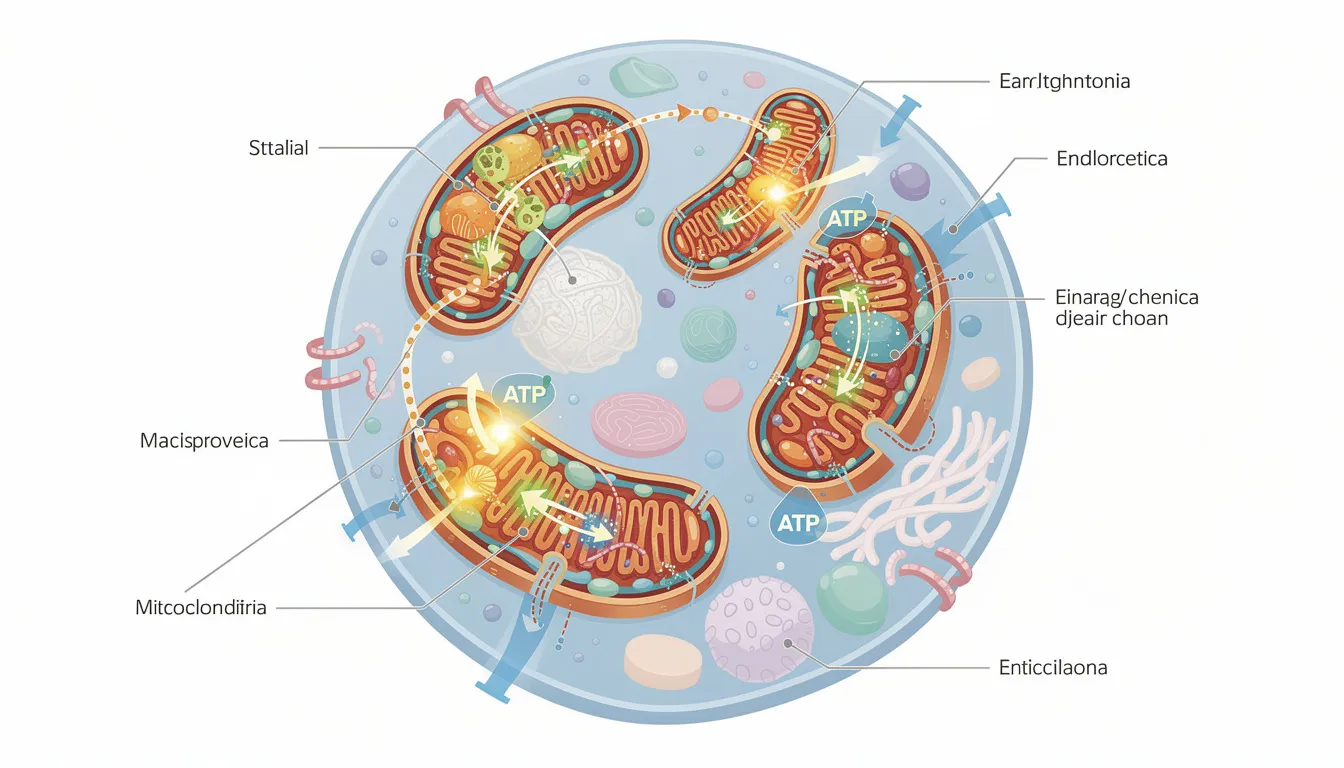
Why NAD⁺ Declines With Age – And Where NMN Fits In
One of the most consistent findings in aging research is that tissue NAD⁺ levels tend to decrease as we get older. Both NAD⁺ and NMN levels decline with age, which may contribute to age-related health issues. Understanding why this happens helps explain the rationale behind NMN research.
Factors Contributing to NAD⁺ Decline
Several mechanisms appear to drive age-related NAD⁺ reduction:
Reduced synthesis: NAMPT activity may decrease with age
Increased consumption: Enzymes like PARPs and CD38 consume more NAD⁺ during chronic inflammation and cellular stress
Metabolic changes: Obesity, insulin resistance, and metabolic dysfunction can accelerate NAD⁺ depletion
Chronic inflammation: “Inflammaging” creates ongoing demands on NAD⁺-dependent repair systems
What Researchers Think This Means
Studies in animal models and humans suggest that decreased NAD⁺ is associated with:
Reduced mitochondrial function
Impaired DNA repair capacity
Altered immune regulation
Changes in metabolic health markers
The conceptual rationale behind NMN supplementation is straightforward: by providing NAD⁺ precursors, researchers aim to restore or support NAD⁺ pools in cells and study how this affects markers of metabolic and cellular health.
It’s important to note that association doesn’t prove causation. While declining NAD⁺ correlates with aging, whether boosting NAD⁺ can meaningfully reverse age-related changes in humans remains an active research question.
What Does the Research Say? NMN in Animals and Humans
When evaluating any supplement, distinguishing between animal studies and human research is essential. Most mechanistic and longevity data on NMN come from mice and other model organisms, while human trials so far are shorter-term and focus on specific endpoints. While many studies focus on specific populations, more research is needed to determine the effects of NMN supplementation in healthy individuals.
As of 2023–2024, systematic reviews have cataloged roughly a dozen registered or completed human NMN trials worldwide, primarily in East Asia and the United States. Study designs and doses vary considerably—from about 125 mg to 1,250 mg per day—and durations typically range from two weeks to three months. Potential benefits of NMN may include improving cognitive and metabolic health, cardiovascular benefits, and promoting overall longevity.
Key Animal Studies: What We’ve Learned So Far
Animal models have provided the foundation for NMN research, offering insights that would be impossible to obtain in humans due to ethical and practical constraints.
Metabolic Improvements in Mice
Work by Shin-ichiro Imai’s group (2013–2016) demonstrated that long-term NMN administration in mice was associated with:
Improved glucose tolerance
Better lipid profiles
Enhanced markers of vascular health
Resistance to age-related weight gain
Physical Performance Enhancement
Particularly striking were studies showing that older mice given NMN had doubled running endurance compared to control animals. This appeared to occur through SIRT1 activation in skeletal muscle, which enhanced mitochondrial function and oxygen utilization.
Neuroprotection Research
By 2016, studies expanded to neurodegenerative models. Research in Alzheimer’s disease rat models showed NMN supplementation was associated with:
Increased neuronal survival
Improved energy metabolism markers
Reduced reactive oxygen species (ROS) accumulation
Better cognitive test performance
Similar findings emerged in Parkinson’s disease models, where NMN reduced markers of oxidative damage and boosted SIRT1 activity.
Important Caveats
These experiments use controlled dosing, specific genetic strains, and tightly regulated conditions. Results from animal models don’t automatically translate to humans or to over-the-counter supplement use. Lifespan extension effects have been demonstrated primarily in simpler organisms (yeast, worms) when NAD⁺-related pathways are modified—not yet robustly in mammals or humans.
Human Trials: Early Findings on NMN Supplementation
Human research on NMN is still in early stages, but several trials have provided encouraging preliminary data.
Prediabetic Women Study (2021)
A randomized trial published in a peer-reviewed journal studied postmenopausal prediabetic women receiving 250 mg/day NMN for 10–12 weeks. Key findings included:
Improved muscle insulin sensitivity via enhanced Akt/mTOR phosphorylation
No major changes in body weight or fasting glucose
Good tolerability with no serious adverse effects
Additionally, NMN supplementation may also influence insulin levels and support metabolic health, although effects on fasting glucose were modest in this study.
Middle-Aged Adults Trial (2022)
A pivotal multicenter, double-blind, placebo-controlled trial involved 80 middle-aged healthy adults testing 300 mg, 600 mg, and 900 mg NMN daily for 60 days:
Dose-dependent increases in blood NAD⁺ levels, peaking at 600–900 mg
Significant improvements in six-minute walk test (6MWT) distances (p< 0.01 vs. placebo)
SF-36 health scores improved significantly in most groups
Blood biological age markers showed positive changes
No safety issues across adverse events, labs, or clinical parameters
Interestingly, 900 mg did not show superior efficacy over 600 mg, suggesting a potential ceiling effect.
Healthy Japanese Men Study (2020)
An earlier safety-focused study gave healthy Japanese men up to 500 mg/day NMN, finding it well tolerated with no serious adverse events and modest improvements in fatigue-related scores.
Amateur Runners Study
A six-week trial in amateur runners (300–1,200 mg/day) showed dose-dependent aerobic capacity gains when combined with exercise, though no strength improvements were observed.
Older Adults Timing Study
A 12-week study in older adults (250 mg/day) found that timing mattered—improvements in drowsiness and lower limb function occurred only in the afternoon dosing group.
General Patterns in Human Data
Across human trials, several consistent findings emerge:
Outcome |
Consistency |
|---|---|
Increased blood NAD⁺/metabolites |
High |
Good short-term tolerability |
High |
Insulin sensitivity improvements |
Moderate (specific populations) |
Walking distance/endurance |
Moderate |
Subjective fatigue reduction |
Moderate |
Body composition changes |
Low/inconsistent |
Lipid/glucose improvements |
Low/inconsistent |
A 2024 systematic review and meta-analysis confirmed that NMN elevates blood NAD⁺ significantly but found no differences in fasting glucose, triglycerides, total cholesterol, LDL-C, or HDL-C versus controls. The review noted risks of bias in 12 studies and cautioned against exaggerated benefit claims.
Potential Areas of Benefit Being Studied
Researchers are exploring NMN’s effects across several domains relevant to aging and human health. These represent areas of active investigation—not established outcomes or cures.
Metabolic Health and Insulin Sensitivity
Metabolic health is a primary focus of NMN research, particularly given the link between NAD⁺ decline and insulin resistance.
What Studies Show
Several human trials in individuals with overweight or prediabetes have investigated NMN’s impact on:
Insulin signaling in skeletal muscle
Fasting glucose levels
Lipid profiles
The prediabetic women study found enhanced insulin signaling through improved Akt/mTOR phosphorylation in muscle tissue. However, effects on fasting glucose and body weight over 8–12 weeks were relatively modest or inconsistent across trials.
Why Researchers Are Interested
Animal data show more robust effects. Mice on high-fat diets given NMN showed resistance to weight gain and improved metabolic flexibility—the ability to switch between burning carbohydrates and fats efficiently. This has inspired continued investigation in humans.
In plain terms, insulin sensitivity refers to how efficiently your cells respond to insulin and handle blood sugar. Better insulin sensitivity generally means healthier blood sugar management and reduced metabolic strain.
Physical Performance, Muscle Function, and Fatigue
The dramatic doubling of running endurance seen in aged mice naturally sparked interest in whether NMN could benefit human physical performance.
Human Trial Findings
Several studies have reported improvements in:
Walking distance (6MWT)
Grip strength in some populations
Aerobic capacity when combined with exercise
Self-reported fatigue and recovery
Middle-aged and older adults in trials using 300–600 mg/day for 6–12 weeks showed measurable gains in walking endurance. Amateur runners experienced dose-dependent improvements in aerobic capacity.
Mechanistic Rationale
Better NAD⁺ availability in muscle cells could theoretically support:
Enhanced mitochondrial function
More efficient ATP production during activity
Improved oxygen utilization
However, these outcomes need replication in larger, blinded studies. Importantly, NMN is being studied as a supportive factor for healthy aging—not as a replacement for regular exercise or physical therapy.
Brain Function, Mood, and Cognitive Health (Under Investigation)
Direct human evidence on NMN and cognition remains limited as of 2024, with most studies focusing primarily on energy and sleep-related outcomes.
Current Human Data
Some trials have reported:
Improvements in drowsiness scores
Reduced daytime sleepiness
Better sleep quality in specific populations
These findings are intriguing but don’t yet demonstrate effects on memory, focus, or neurodegenerative disorders.
Animal Research Context
Animal studies provide more dramatic results. NMN-boosted NAD⁺ has been associated with:
Better neuronal resilience
Reduced accumulation of misfolded proteins (relevant to Alzheimer’s disease)
Improved performance on memory tests in rodents
Protection against cell death in various brain injury models
However, species differences limit direct translation. NMN is an interesting candidate in brain-aging research, but strong human evidence for cognitive outcomes is not yet available. More research and more studies are needed before drawing conclusions about neurodegenerative disorders or memory enhancement.
Markers of Biological Aging and Longevity Research
Some researchers are examining whether NMN influences surrogate markers of aging, including:
Inflammatory markers
Metabolic flexibility measures
Composite “biological age” algorithms
DNA damage repair capacity
The conceptual framework centers on supporting cellular repair and mitochondrial efficiency through increased levels of NAD⁺. This underpins much excitement around “longevity molecules.”
However, no human trial has yet convincingly shown that taking NMN supplements extends lifespan. Current work focuses on healthspan-related endpoints—function, resilience, and quality of life biomarkers rather than mortality outcomes.

Safety, Side Effects, and Regulatory Landscape
One of the most common questions about NMN concerns safety. The answer depends on dose, duration, individual health status, and regulatory guidance.
Known Side Effects and Tolerability in Studies
Short-term human studies—up to about three months and doses up to 1,200–1,250 mg/day—generally report good tolerability.
Commonly Reported Side Effects
When adverse effects occur, they tend to be mild:
Gastrointestinal symptoms (nausea, abdominal pain, loose stools)
Temporary headache
Transient flushing in some individuals
One trial noted small shifts in laboratory parameters (such as bilirubin) that remained within normal ranges. Such findings require further monitoring in larger populations.
What We Don’t Know
Long-term data spanning years of continuous use are not yet available. Questions remain about chronic high-dose exposure, especially in people with complex medical histories. The evidence suggests NMN is generally safe and well tolerated in short-term research settings, but this doesn’t guarantee safety for everyone or for extended periods.
Anyone considering NMN should speak with a healthcare professional—particularly if pregnant, breastfeeding, taking medications, or managing chronic conditions. Consulting a registered dietitian or physician can help contextualize whether NMN supplementation makes sense for your individual situation.
Debates Around Cancer Risk and Excess NAD⁺
A theoretical concern in NAD⁺ research involves cancer biology. Since NAD⁺ is fundamental to energy metabolism and DNA synthesis, very high NAD⁺ availability could theoretically support rapidly dividing cells—including some cancer cells.
Current Evidence
Human data do not demonstrate that NMN causes cancer
Long-term, large-scale safety trials in populations at varying cancer risk have not been completed
Scientists are actively investigating how NAD⁺ metabolism intersects with tumor biology
This remains an open research question. Caution is warranted when extrapolating mechanistic data, and individuals with a history of malignancy should seek individualized medical guidance before considering NAD⁺ precursors.
There’s no need for fear-based conclusions, but acknowledging potential risks alongside potential benefits reflects responsible science communication.
Regulatory Status: FDA and Global Context
The regulatory landscape for NMN has become complicated, particularly in the United States.
U.S. Developments
In 2022, the FDA determined that NMN could not be marketed as a dietary supplement due to its designation as an investigational new drug. This decision stemmed from a pharmaceutical company’s prior investigation of NMN as a drug candidate.
In 2024, organizations like the Natural Products Association initiated legal challenges, temporarily affecting enforcement. The situation remains fluid for supplement companies and retailers.
Global Variation
Regulations differ significantly between countries:
Region |
Status |
|---|---|
United States |
Disputed/evolving |
European Union |
Novel food in some jurisdictions |
Japan |
Generally permitted as supplement |
Australia |
TGA-regulated |
China |
Available in supplement form |
Readers should check local regulations and consult with professionals. NMN products may or may not be legally available depending on where you live.
Dosage in Studies and Practical Considerations
There is no universally agreed “optimal” NMN dose for humans. Research protocols vary widely, and findings should not be interpreted as medical recommendations.
Dose Ranges Tested in Research
Dose Category |
Range |
Typical Use |
|---|---|---|
Low |
125–250 mg/day |
Safety/pharmacokinetic studies |
Moderate |
300–600 mg/day |
Functional outcome trials |
High |
900–1,250 mg/day |
Upper-range testing |
Most human trials used once-daily oral administration, sometimes divided into two doses. Taking NMN with food may reduce potential stomach upset.
Short-Term Study Doses and Duration
Lower Doses (125–250 mg/day)
Used primarily in early safety and pharmacokinetic studies to understand how NMN is absorbed, metabolized, and tolerated. Single doses at these levels have shown good absorption and nicotinamide metabolite levels increases in blood.
Moderate Doses (300–600 mg/day)
Common in trials focused on functional outcomes like walking distance, fatigue, and metabolic markers over 6–12 weeks. The 2022 multicenter trial suggested benefits may plateau around 600 mg, with 900 mg offering no additional advantage.
Higher Doses (up to 1,200–1,250 mg/day)
Tested in small studies without major acute safety signals, but participant numbers are limited and follow-up short. Higher doses are not necessarily more beneficial and may carry unknown long-term risks.
How Individuals and Clinicians Approach NMN in Practice
Where legally permitted, some practitioners and self-directed users start with lower doses (125–250 mg/day) to evaluate tolerance before considering any changes. This “start low, go slow, and monitor” approach reflects common practice in supplement research.
Practical monitoring suggestions to discuss with a clinician might include:
Tracking subjective energy and fatigue levels
Monitoring sleep quality and duration
Noting digestive comfort
Periodic basic lab work (NAD⁺ testing where available, standard metabolic panels)
Importantly, skipping NMN altogether is a valid choice. Foundational lifestyle habits often produce larger, well-documented anti aging effects than any single molecule. The gold standard for healthy aging remains physical activity, nutrition, sleep, and stress management.
Beyond Supplements: Supporting Your Own NAD⁺ System
NMN is only one piece of the NAD⁺ puzzle. Everyday behaviors strongly influence NAD⁺ metabolism and cellular resilience—often more reliably than any supplement.
Dietary Patterns and NAD⁺ Precursors
Your body synthesizes NAD⁺ from vitamin B3 forms obtained through diet. Good sources include:
Legumes (beans, lentils)
Whole grains
Nuts and seeds
Poultry and fish
Mushrooms
Foods containing trace amounts of NMN naturally include edamame, broccoli, cabbage, cucumbers, and cow’s milk. However, their NMN content is much lower than amounts used in supplementation studies—you cannot replicate study doses through diet alone.
A “food-first” approach emphasizes diverse, minimally processed meals providing broad-spectrum micronutrients, antioxidants, and fiber. This supports overall metabolic health regardless of NMN supplementation decisions.
Exercise, Sleep, and Circadian Rhythms
Physical Activity
Regular exercise has been shown to improve mitochondrial function and may influence NAD⁺-related enzymes. Both aerobic and resistance training appear beneficial. Studies in amateur runners showed that NMN combined with exercise produced aerobic capacity gains—suggesting potential synergy.
Circadian Alignment
Research suggests circadian rhythm alignment interacts with NAD⁺ metabolism and sirtuin activity. Practical habits include:
Consistent sleep/wake times
Morning light exposure
Reduced blue light before bed
Regular meal timing
Sleep Quality
Sleep quality serves as a foundational factor for cellular repair processes. The 12-week trial showing benefits only in afternoon dosing groups hints at circadian interactions worth considering.
NMN supplementation work, where appropriate and legal, may serve as a potential adjunct to—not a substitute for—these core lifestyle behaviors.

How to Evaluate NMN Products and Information Responsibly
The NMN marketplace has grown rapidly, with marketing sometimes outpacing scientific evidence. Critical evaluation skills help separate credible information from hype.
Questions to Ask Before Trying NMN
About the Product
Does the label clearly state NMN content per serving?
Is third-party testing (Certificate of Analysis) available?
Does the company disclose ingredient sourcing?
Is NMN distinguished from related compounds like nicotinamide riboside?
About the Claims
Are health claims aligned with published research?
Does marketing cite specific studies, or rely on vague assertions?
Are limitations and unknowns acknowledged?
About Your Situation
Have I discussed this with a healthcare provider?
Is NMN legal in my region?
What outcomes am I hoping for, and are they realistic?
Verifying Information
Cross-check claims against authoritative resources:
Peer-reviewed journals (search PubMed for “nicotinamide mononucleotide NMN”)
Clinical trial registries (ClinicalTrials.gov)
Academic institution publications
npj Aging, Cell Metab, Adv Nutr, and similar journals
Be cautious with anecdotal positive reviews or testimonials that lack supporting data. Individual experiences matter, but controlled trials provide more reliable evidence.
Research by authors like Yoshino J, Yi L, Zhai RG, and Maier AB has contributed significantly to our understanding—looking up their published work can provide deeper scientific context.
Putting It All Together: NMN’s Brilliance and Its Limits
NMN represents one of the most intriguing molecules in contemporary longevity research. As a direct precursor to NAD⁺, it occupies a strategic position in cellular metabolism, with the potential to influence energy production, DNA repair, and numerous regulatory pathways.
What We Know
The evidence supports several conclusions:
NMN supplementation consistently raises blood NAD⁺ levels in humans
Short-term use at studied doses appears generally safe and well tolerated
Some trials show improvements in insulin sensitivity, walking endurance, and subjective fatigue
Animal models demonstrate more dramatic effects on metabolism, physical performance, and neuronal health
What Remains Uncertain
Significant questions persist:
Long-term safety data are lacking
Effects on major clinical endpoints (cardiovascular events, cognitive decline, mortality) are unproven
Optimal dosing, timing, and duration remain unclear
Translation from animal models to humans is incomplete
A Balanced Approach
The wisest path forward combines curiosity about emerging science with commitment to proven lifestyle foundations. Prioritize regular exercise, quality sleep, balanced nutrition, and stress management—these interventions have robust evidence spanning decades.
For those interested in NMN supplements, consulting with a healthcare professional remains essential. Individual factors including age, health status, medications, and local regulations all influence whether NMN supplementation makes sense.
As more high-quality human studies report results over the coming years—longer trials, larger populations, diverse demographics—our understanding of NMN’s true potential and its limits will become clearer. The story of this small molecule is still being written, and the most compelling chapters may lie ahead.
This article is for informational purposes only and does not constitute medical advice. Always consult a qualified healthcare provider before starting any new supplement regimen.


Comments
Eric —
Hi I have done some research on your Products and company and I was looking to see if receiving a sample of your NMN Products along with Trans product is possible? 3153 SW Dolph, CT #20 Portland, OR 97219
Thank you,