
Apigenin & Spermidine: The Master Mechanics of our Bodies


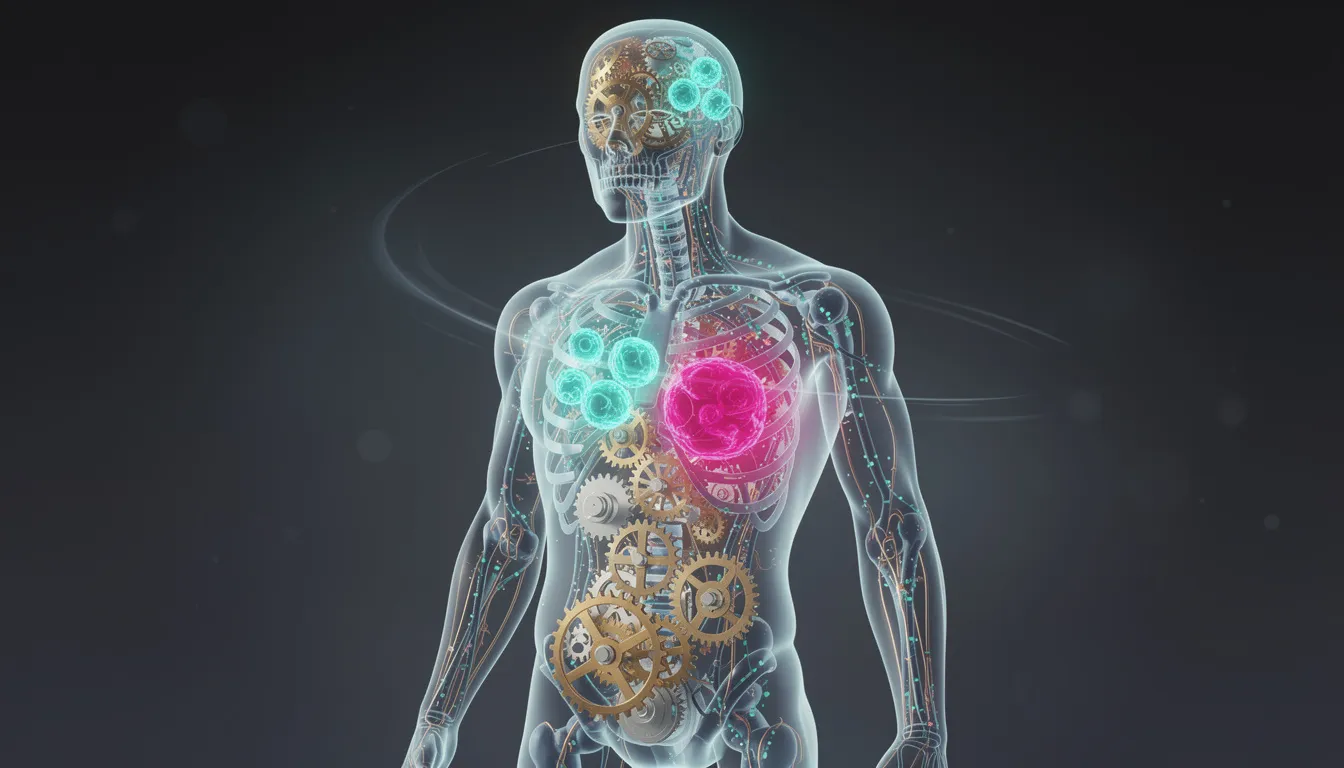
Think of your body as an incredibly complex machine—one that runs 24 hours a day, every day, for decades. Like any sophisticated system, it needs mechanics to keep things running smoothly: technicians who reduce friction, clean out debris, and repair worn components before they fail. Two natural compounds have emerged in longevity research as exactly these kinds of cellular specialists: apigenin and spermidine.
Apigenin is a plant flavonoid found in everyday foods like chamomile tea, parsley, and celery. Spermidine is a polyamine present in every living cell, abundant in wheat germ, soybeans, and aged cheese. Research from roughly 2010 through 2024 has linked both compounds to autophagy (cellular cleanup), oxidative stress balance, inflammation regulation, and support for brain and cardiovascular health.
This blog post offers a science-backed overview of how these “master mechanics” work inside the human body. We’ll explore mechanisms, food sources, safety considerations, and practical tips—all while being clear that this information doesn’t replace personalized medical advice and makes no disease-treatment claims. At Vitruvin, we focus on longevity science and helping readers understand what the evidence actually shows.
The Inner Workings: How Apigenin and Spermidine Act as Master Mechanics
Understanding how apigenin and spermidine function requires a quick look at what goes wrong as we age at the cellular level. Four key processes tend to decline:
Oxidative damage accumulates as reactive oxygen species overwhelm our natural defenses
Chronic inflammation increases, creating a persistent low-grade stress state
Autophagy (cellular cleanup) becomes less efficient, allowing damaged components to pile up. As we grow older, autophagy becomes less efficient, leading to a buildup of cellular debris and compromised cellular function.
Mitochondrial function declines, reducing cellular energy production
Apigenin and spermidine address different aspects of this decline. Think of apigenin as the specialist who protects your wiring and reduces friction—it works primarily as a potent antioxidant, reducing inflammation, and supporting NAD⁺ levels, which are crucial for cellular energy. Spermidine, meanwhile, acts as the technician who cleans and recycles old parts—it primarily boosts autophagy and protein quality control.
Here’s how their mechanisms break down:
Compound |
Primary Role |
Key Mechanisms |
|---|---|---|
Apigenin |
Protection & maintenance |
Antioxidant activity, NF-κB modulation, CD38 inhibition, GABA-A binding |
Spermidine |
Cleanup & renewal |
Autophagy induction, histone acetylation, mitochondrial support |
Much of this data comes from cell and animal models, though an increasing number of small human studies have examined sleep and anxiety (for apigenin) and cardiovascular and healthy ageing markers (for spermidine). The findings suggest these compounds may work synergistically to address multiple hallmarks of aging simultaneously.
Apigenin: Nature’s Calming, Cell-Supporting Flavonoid
Apigenin is classified as a flavone—a type of flavonoid found naturally in chamomile (Matricaria chamomilla), parsley, celery, oregano, and citrus fruits. The typical dietary intake for most people falls in the low milligram range per day, though this varies significantly based on food choices. Apigenin's ability to act as an antioxidant, reduce anxiety, and fight inflammation highlights its broad therapeutic properties, including anxiolytic effects, cancer prevention, antioxidant protection, and anti-inflammatory actions.
Most mechanistic evidence for apigenin comes from cell and animal work. However, some small human trials have explored anxiety and sleep outcomes using chamomile extract standardized for apigenin content. These studies provide early signals worth understanding, even as larger clinical trials remain needed. Additionally, apigenin acts as a phytoestrogen, regulating menstrual cycles and alleviating symptoms associated with estrogen dominance.

Anti-Inflammatory and Antioxidant Support
One of apigenin’s most studied properties is its ability to modulate inflammatory signaling pathways. In preclinical models, apigenin has been shown to influence NF-κB—a master regulator of inflammation—by suppressing phosphorylation of its p65 subunit. This translates to reduced production of pro-inflammatory cytokines like IL-6 and TNF-α.
As an antioxidant, apigenin helps neutralize reactive oxygen species (ROS) and may protect cellular membranes, proteins, and DNA under oxidative stress conditions. Research in rodent models of colitis and sepsis demonstrated that apigenin reduced inflammatory markers and oxidative damage. These anti inflammatory effects appear to operate through multiple mechanisms:
Decreased expression of adhesion molecules
Free-radical scavenging activity
Modulation of cellular stress response pathways
The key caveat: these are non-human results. The evidence suggests apigenin may help support balanced inflammatory and oxidative responses, but we cannot claim it treats specific conditions.
Apigenin, NAD⁺, and Cellular Energy
NAD⁺ (nicotinamide adenine dinucleotide) is a coenzyme essential for mitochondrial function, DNA repair, and hundreds of cellular processes. Unfortunately, NAD⁺ levels tend to decline with age—and one reason is an enzyme called CD38, which breaks down NAD⁺ and tends to increase as we get older.
Laboratory studies suggest apigenin’s ability to inhibit CD38 expression or activity could help maintain intracellular NAD⁺ levels. This mechanism is of high interest in longevity research because preserving NAD⁺ supports:
Sirtuin enzyme activity (linked to cellular stress resistance)
Mitochondrial energy production
DNA repair pathways
In cell and animal studies, this CD38-inhibiting property positions apigenin as a potential NAD⁺-supporting compound. However, direct long-term human data on apigenin supplementation and NAD⁺ is still limited. This remains a mechanistic and preliminary finding requiring further human research.
Brain, Mood, and Sleep: Calming the System
Apigenin has gained attention for its calming properties, and the mechanism appears to involve GABA-A receptors—the same receptors targeted by benzodiazepine medications. In experimental models, apigenin binds to benzodiazepine sites on these receptors, which may help explain its traditional use for relaxation and sleep quality support.
Human evidence, while limited, is encouraging:
A small double blind study found that chamomile extract improved mild-to-moderate generalized anxiety symptoms over several weeks
Research suggests chamomile tea may modestly support sleep onset and quality, with greater effects in those with mild insomnia
Responses vary considerably between individuals
For those looking to improve sleep naturally, practical tips include:
Enjoying chamomile tea 60–90 minutes before bed
Creating a low-light environment in the evening
Aligning chamomile intake with a consistent sleep routine
Starting with modest amounts to reduce anxiety and assess personal response
Metabolic Pathways and Cardiovascular Health
Animal research suggests apigenin may support metabolic and cardiovascular health through several mechanisms. Rodent studies have shown improvements in insulin resistance, blood glucose control, and reductions in LDL-like particles. Apigenin also appears to protect endothelial cells from oxidative stress and support endothelial function—the inner lining of blood vessels that plays a crucial role in cardiovascular health.
These findings suggest potential benefits for:
Blood pressure regulation
Lipid metabolism
Blood sugar balance
Vascular protection
However, human trials remain sparse and exploratory. The promising mechanistic data is currently insufficient to recommend apigenin as a standalone metabolic treatment. It’s best viewed as part of an overall lifestyle strategy where diet quality, physical activity, sufficient sleep, and stress management remain the foundations for metabolic and heart health.
Spermidine Supplementation: Autophagy, Cellular Recycling, and Healthy Aging
Spermidine is a polyamine present in every living cell—first described in semen in 1678 by Antonie van Leeuwenhoek, now known to be widely distributed throughout plants, animals, and the human body. Unlike apigenin, which we obtain only from food, spermidine is produced endogenously (our cells make it), supplied by gut microbiome bacteria, and obtained from dietary intake.
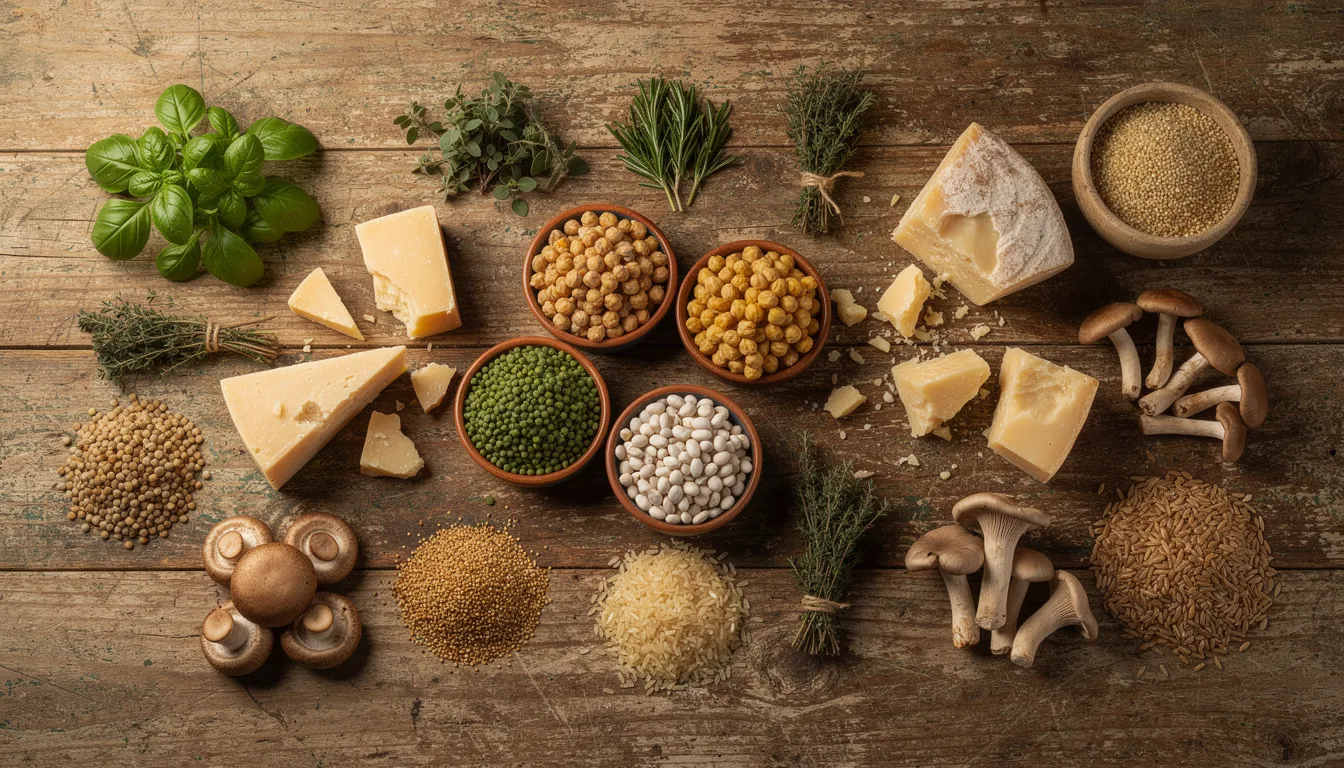
Notable food sources include wheat germ, soy products, aged cheese, mushrooms, rice bran, and legumes. Spermidine is naturally found in foods such as soybeans, mushrooms, and aged cheese. Rice bran may contain meaningful spermidine levels, but white rice contains only trace amounts. A 2016–2023 series of cohort studies from Austria and Italy linked higher dietary spermidine intake with lower all-cause mortality and better cardiovascular markers—findings that sparked significant scientific attention.
The growing body of research positions spermidine as a healthy ageing nutrient operating through multiple pathways and potentially a longer life:
Autophagy enhancement (cellular cleanup)
Mitochondrial support (energy production)
Inflammation balance (reducing chronic inflammation)
Vascular function (cardiovascular diseases prevention potential)
Autophagy: Cleaning and Recycling Cellular Parts
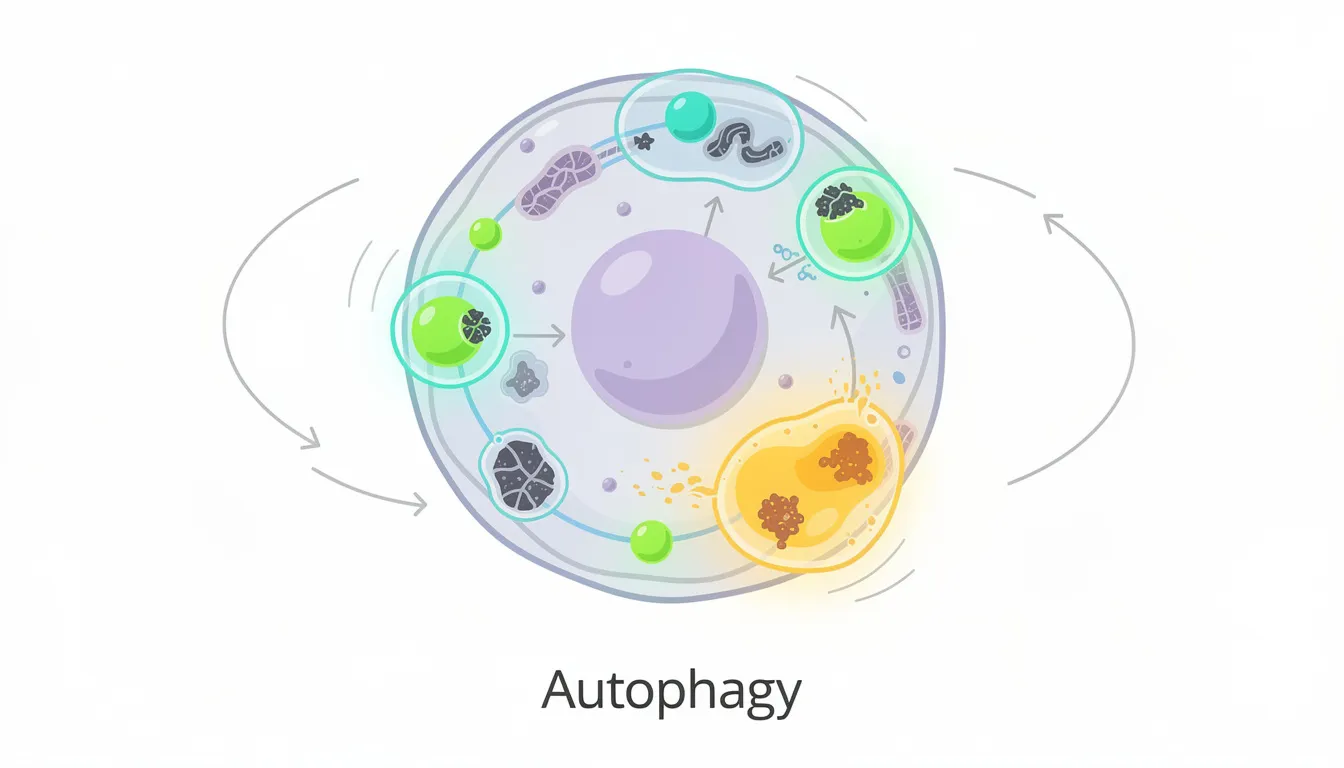
Autophagy—literally “self-eating”—is the body’s cellular renewal program. Think of it as a sophisticated recycling system that breaks down damaged components, worn-out proteins, and dysfunctional organelles, then reuses the building blocks to create fresh cellular machinery.
Spermidine supports autophagy through several mechanisms identified in cell and animal studies:
Reducing EP300 (E1A-associated protein p300) expression, which initiates autophagy by inhibiting protein acetylation
Decreasing acetyl-CoA availability, further reducing acetylation
Inducing expression of transcription factor eIF5A, increasing synthesis of TFEB (a master autophagy regulator)
Upregulating autophagy-related genes (Atg7, Atg15, Atg11)
The results in animal models have been striking. Spermidine supplementation extended median lifespan by approximately 10-15% in models ranging from yeast and worms to flies and mice when started in midlife. Critically, when researchers knocked out Atg genes, spermidine-induced extended lifespan disappeared—demonstrating that autophagy is essential for mediating these effects.
These lifespan-extension findings are preclinical. In humans, the more realistic goal is supporting healthspan—the years lived in good health and function rather than simply adding years to life.
Cardiovascular and Metabolic Support
Epidemiological data indicates that people with higher spermidine intake—typically from diets rich in whole grains, legumes, and vegetables—tend to have lower rates of cardiovascular events. This represents one of the stronger areas of human research for spermidine.
Animal experiments have demonstrated that oral spermidine:
Helped lower blood pressure
Improved heart muscle elasticity
Supported better endothelial function
Provided protection against age related decline in cardiac function
Additional research suggests potential roles in improving insulin sensitivity and supporting more favorable lipid profiles. The AMPK-FOXO3a signaling pathway appears to mediate some of these cardiovascular benefits, with spermidine protecting against aging-related skeletal muscle atrophy by suppressing programmed cell death and enhancing autophagy.
These findings support the idea that spermidine supports heart health pathways—though we should frame this as supportive evidence rather than treatment or cure for cardiovascular diseases.
Brain Health, Cognition, and Neuroprotection
Spermidine plays a crucial role in brain function, involved in synaptic processes, neurotransmitter regulation, and maintaining mitochondrial health in neurons. This makes it a compound of interest for cognitive function preservation during aging.
Experimental models have shown that spermidine-induced autophagy in brain cells may help clear damaged proteins and support resilience under stress. Notably, research in C. elegans models demonstrated that spermidine protects against Parkinson’s disease models by inducing Atg7-dependent autophagy pathways. The compound also protects cells against toxic effects through the PINK1-PDR1-dependent mitophagy pathway—the selective autophagy of damaged mitochondria.
Early human findings suggest promise:
Spermidine-rich dietary interventions were associated with slower cognitive decline in older adults at risk
The mechanism may involve clearing aggregated proteins characteristic of neurodegenerative diseases
Sample sizes in these studies were relatively small
For Alzheimer’s disease and other neurodegenerative conditions, where α-synuclein and other protein aggregates play toxic roles, spermidine’s ability to enhance autophagy offers theoretical benefits. However, language should remain cautious—spermidine may help maintain cognitive function rather than “prevent dementia.”
Skin, Hair, and Visible Aging
Beyond internal health benefits, spermidine has attracted interest for its potential effects on visible aging. Hair follicle studies demonstrated that spermidine extended the anagen (growth) phase and supported epithelial stem cells in vitro—suggesting mechanisms that could promote thicker, healthier hair.
For skin, improved autophagy and proteostasis could theoretically support:
Skin-cell turnover efficiency
Resilience to environmental stressors like UV exposure
Clearance of damaged cells and accumulated cellular debris
These cosmetic outcomes remain an active research area. Current evidence is mostly preclinical or small-scale, meaning we cannot make definitive claims about anti-aging skin benefits. But the mechanistic rationale connecting enhanced autophagy to tissue renewal is scientifically sound.
Cellular Renewal: The Unsung Hero of Longevity
When it comes to longevity, one of the most overlooked yet vital processes is cellular renewal. Think of it as the human body’s built-in maintenance crew—constantly replacing damaged or worn-out cells with fresh, healthy ones. This ongoing renewal is essential for keeping our tissues resilient, our organs functioning, and our risk of age-related diseases at bay.
Spermidine supplementation has emerged as a powerful ally in this process. By stimulating autophagy—the body’s natural recycling and cleanup system—spermidine helps clear away damaged components that can otherwise accumulate and cause trouble. This leads to a significant reduction in chronic inflammation, oxidative stress, and cellular damage, all of which are closely linked to the aging process and the development of cardiovascular health issues and cognitive decline.
Supporting cellular renewal doesn’t just mean feeling younger; it means your heart, brain, and other organs are better equipped to handle the demands of daily life. Studies suggest that by promoting autophagy and cellular renewal, spermidine supplementation can help maintain cardiovascular health, protect cognitive function, and contribute to overall longevity. In essence, keeping your cellular “master mechanics” in top shape is one of the most effective ways to support a longer, healthier life.
Immune System Support: Fortifying the Body’s Defenses
A strong immune system acts as the body’s security service, performing security verification at every turn to keep out harmful invaders—much like a vigilant guard against malicious bots trying to breach your digital defenses. As we age, however, this verification process can weaken, leaving us more vulnerable to infections, chronic inflammation, and age-related diseases.
Spermidine supplementation has been shown to bolster immune system function by reducing oxidative stress and chronic inflammation—two major culprits behind immune decline. By supporting the body’s natural cleanup and repair processes, spermidine helps ensure that immune cells remain sharp and responsive, ready to respond to threats and maintain healthy ageing. Apigenin supplementation adds another layer of protection, thanks to its potent anti inflammatory effects, which further help to reduce chronic inflammation and support immune system balance.
A balanced diet rich in spermidine-containing food sources—such as wheat germ and rice bran—can provide additional health benefits, reinforcing the body’s defenses from the inside out. These nutrients work together to help lower the risk of neurodegenerative diseases and cardiovascular diseases, both of which are closely tied to immune system health and the aging process.
Just as regular security verification and responding to ray ID requests keep your digital world safe from malicious bots, maintaining a diet and supplement regimen that supports immune health is key to protecting the human body. By prioritizing foods and supplements that reduce oxidative stress and inflammation, you’re giving your immune system the tools it needs to keep you healthy, resilient, and thriving as you age.
Apigenin and Spermidine Together: Synergy in the Aging Machinery
While both apigenin and spermidine support cellular health, they operate through complementary mechanisms that address different aspects of the aging process. This is where the “master mechanics” metaphor becomes particularly useful.
Apigenin functions like the technician who reduces rust and prevents overheating:
Reducing oxidative stress through antioxidant activity
Balancing inflammatory responses via NF-κB modulation
Supporting NAD⁺ levels by inhibiting CD38
Promoting cellular repair through stress response pathways
Alzheimer's disease, a major form of dementia affecting approximately 55 million people worldwide, is a leading neurodegenerative disease characterized by cognitive decline and amyloid plaque formation. Flavonoids like apigenin have shown potential to delay the onset of Alzheimer's disease, improve cognitive function, and provide neuroprotection against amyloid plaque formation associated with this condition.
Spermidine operates like the specialist running deep clean-and-rebuild cycles:
Inducing autophagy to clear damaged components
Supporting proteostasis (protein quality control)
Enhancing mitochondrial function through mitophagy
Promoting cellular renewal at the fundamental level
When we consider the established hallmarks of aging—genomic instability, mitochondrial dysfunction, impaired autophagy, altered intercellular communication, and others—apigenin and spermidine each interface with multiple hallmarks through different entry points.
Hallmark of Aging |
Apigenin Contribution |
Spermidine Contribution |
|---|---|---|
Oxidative damage |
Direct antioxidant activity |
Autophagy clears oxidatively damaged components |
Mitochondrial dysfunction |
NAD⁺ support for mitochondrial health |
Mitophagy removes damaged mitochondria |
Impaired autophagy |
Indirect support through cellular stress response |
Primary autophagy inducer |
Chronic inflammation |
NF-κB modulation, cytokine reduction |
Inflammation balance through AMPK pathways |
Cellular senescence |
Potential senolytic-adjacent effects |
Autophagy may help clear senescent cells |
While direct human trials combining both compounds are limited, systems-biology models suggest targeting multiple hallmarks simultaneously may be more effective than focusing on a single pathway. The compounds may work synergistically—though this remains an area requiring further investigation.
Food Sources, Daily Habits, and Practical Tips
One of the most practical aspects of apigenin and spermidine is that both can be obtained through food in our daily lives. Here’s a comparison of the richest food sources:
Apigenin-Rich Foods:
Chamomile tea (highest concentration)
Fresh parsley
Celery and celery seed
Oregano and thyme
Onions
Citrus fruits
Spermidine-Rich Foods:
Wheat germ (among the highest)
Soybeans and soy products
Natto (fermented soybeans)
Mushrooms
Aged cheese (cheddar, parmesan)
Legumes (lentils, chickpeas, green peas)
Rice bran
Whole grains
Mediterranean-style and plant-forward diets naturally deliver higher spermidine levels and, to some extent, more apigenin and related flavonoids. A diet rich in diverse plant foods inherently supports these pathways.
Practical meal ideas:
Tabbouleh salad loaded with parsley and celery
Chamomile tea after dinner as part of a relaxation routine
Wholegrain sourdough topped with hummus and sautéed mushrooms
Miso soup with tofu and seaweed
Breakfast with wheat germ sprinkled on yogurt
Aged cheese and legume-based Mediterranean plates
One important note: food processing tends to reduce spermidine content. Refining grains and polishing rice strips away much of the spermidine-containing outer layers. Choosing minimally processed grains and intact legumes delivers better results.
Lifestyle factors that amplify health benefits:
Regular exercise supports autophagy pathways
Sufficient sleep quality allows cellular repair processes to function optimally
Time-restricted eating may interact with autophagy in supportive ways
Stress management reduces chronic inflammation burden
The approach should be practical and non-prescriptive—these are examples and ranges rather than rigid dietary prescriptions.
Safety, Supplementation, and When to Talk to a Professional
Both apigenin and spermidine naturally occur in the human body and diet. Typical dietary intakes—approximately 1–4 mg/day of apigenin and around 10 mg/day of spermidine—have a long history of safe use through foods.
Available safety data suggests:
Preclinical toxicology work shows high tolerability for spermidine
Animal studies with apigenin demonstrate low toxicity at reasonable doses
Long-term high-dose human data remains limited
No significant adverse effects have been reported in short-term human studies at typical supplement doses
However, concentrated spermidine supplements and apigenin supplementation can deliver 10–20× or more of typical food-based exposure. This concentration warrants caution and medical guidance, especially for:
People with chronic health conditions
Those taking prescription medications
Pregnant or breastfeeding individuals
Anyone with active cancers or immunosuppression
Those on sedatives or sleep medications (particularly for chamomile extract/apigenin)
Questions to ask your healthcare provider:
What dose range is appropriate for my situation?
Are there interactions with my current medications (blood pressure meds, anticoagulants, sleep medications, chemotherapy regimens)?
How should I monitor for any adverse effects?
Does this supplement regimen make sense given my health history?
This section aims for balance and transparency—presenting potential benefits alongside unknowns. Supplements are optional additions to, not replacements for, medical care and healthy foundations. Both compounds are generally safe in food amounts, but concentrated supplementation deserves professional oversight.
How Vitruvin Thinks About Longevity Molecules Like Apigenin and Spermidine
At Vitruvin, our philosophy centers on science-led, clean-label compounds that target core cellular processes: NAD⁺ metabolism, autophagy, mitochondrial health, and inflammation balance. Apigenin and spermidine fit naturally into this framework as compounds with promising but still-evolving evidence.
We consider these compounds in the context of multi-pathway support, alongside nutrients like NMN, resveratrol, lion’s mane, and marine collagen. The goal isn’t to find a single “magic molecule” but to support the body’s complex systems through multiple, complementary approaches.
Key principles guide our approach:
Third-party testing and transparent Certificates of Analysis
Evidence-based formulation that follows the science rather than marketing trends
Honest communication about what research shows and what remains unknown
Lifestyle integration recognizing that supplements work best alongside nutrition, sleep, movement, and stress resilience
We also offer personalized health coaching services because understanding how to integrate supplements thoughtfully matters as much as the compounds themselves. A balanced diet and healthy lifestyle habits remain foundational—supplements are additions, not replacements.
Putting It All Together: Master Mechanics for a Longer-Running System
Apigenin and spermidine operate like complementary master mechanics within the human body. Apigenin helps cool and protect the system—addressing oxidative stress, inflammation, and NAD⁺ levels. Spermidine runs deep cleanup and renewal cycles through autophagy and proteostasis.
Research from the past two decades suggests potential benefits for heart health, brain function, metabolic health, and even visible aging. However, evidence levels differ across outcomes, and more large, long-duration human trials are needed before making definitive claims.
Practical steps to consider:
Start with foundations — A diverse, plant-forward diet with regular movement and sufficient sleep
Add apigenin- and spermidine-rich foods — Chamomile tea, parsley, wheat germ, aged cheese, legumes, mushrooms
Minimize processed foods — Choose whole grains over refined versions to preserve spermidine content
Consider lifestyle synergies — Exercise, time-restricted eating, and stress management all interact with these pathways
Consult professionals before supplementing — Especially if you have existing medical conditions or take prescription medications
We cannot stop time. The aging process will continue regardless of what we eat or supplement. But understanding and supporting the body’s “master mechanics” gives us more influence over how we age—and how well our cellular machinery functions across the decades.
The leading cause of most age related disease traces back to cellular dysfunction: oxidative damage, chronic inflammation, impaired autophagy, mitochondrial decline. Apigenin and spermidine address these processes through distinct but complementary mechanisms. Together, they represent a practical, food-accessible approach to supporting the systems that keep us functioning well.
Whether through chamomile tea before bed, parsley-rich tabbouleh at lunch, or wheat germ sprinkled on morning oatmeal, these “master mechanics” are available in forms that fit naturally into daily eating patterns. And for those considering concentrated supplements, the growing evidence base—while still developing—suggests these compounds deserve serious attention in the longevity conversation.
References and Further Reading
Eisenberg, T., et al. (2016). Cardioprotection and lifespan extension by the natural polyamine spermidine. Nature Medicine, 22(12), 1428-1438.
Madeo, F., et al. (2018). Spermidine in health and disease. Science, 359(6374), eaan2788.
Kiechl, S., et al. (2018). Higher spermidine intake is linked to lower mortality: a prospective population-based study. American Journal of Clinical Nutrition, 108(2), 371-380.
Nabavi, S.F., et al. (2015). Apigenin and cancer: A review of research on mechanisms and therapeutic implications. European Journal of Medicinal Chemistry, 102, 359-377.
Amsterdam, J.D., et al. (2009). A randomized, double-blind, placebo-controlled trial of oral Matricaria recutita (chamomile) extract therapy for generalized anxiety disorder. Journal of Clinical Psychopharmacology, 29(4), 378-382.
Parthasarathy, A., et al. (2021). Spermidine and polyamine metabolism: Focus on aging and healthy aging. Aging Cell, 20(9), e13432.
Salehi, B., et al. (2019). The therapeutic potential of apigenin. International Journal of Molecular Sciences, 20(6), 1305.
Gupta, S.C., et al. (2014). Role of apigenin in suppression of CD38 and associated cellular energy metabolism. PLoS ONE, 9(7), e102698.
Schwarz, C., et al. (2018). Effects of spermidine supplementation on cognition and biomarkers in older adults with subjective cognitive decline. Cortex, 109, 181-188.
Madeo, F., et al. (2019). Spermidine delays aging in humans. Aging, 11(12), 2209-2211.
These references represent a starting point for readers interested in exploring the primary scientific literature on apigenin, spermidine, and their roles in human health and cellular function.


Comments
FF —
Can Apigenin & Spermidine supplements be taken together or would Apigenin inhibit the properties of Spermidine?