
Unveiling the Power of Apigenin and Spermidine: A Dynamic Duo for Health and Longevity


Two natural compounds are capturing the attention of longevity researchers and health-conscious individuals alike. Apigenin, a plant flavonoid found in chamomile tea and fresh parsley, and spermidine, a naturally occurring polyamine present in wheat germ and fermented soy, have emerged as some of the most studied nutrients in the cellular health space. Their combined potential to support the human body through complementary mechanisms makes them particularly fascinating for anyone interested in healthy aging. In this article, we’ll take a deep dive into the science and practical applications of apigenin and spermidine.
Apigenin & Spermidine: Why This Duo Matters Now
The science of longevity has evolved dramatically over the past decade. What was once the domain of caloric restriction and basic vitamin supplementation has expanded into a sophisticated understanding of how natural compounds interact with our cellular machinery. Apigenin and spermidine sit at the forefront of this evolution, representing two distinct but complementary approaches to supporting overall health.
Both apigenin and spermidine are naturally present in common foods that have been part of human diets for millennia. Apigenin appears in notable concentrations in chamomile tea, parsley, celery, and certain citrus fruits. Spermidine is abundant in wheat germ, soybeans, mushrooms, aged cheeses, and various legumes. Wheat germ is one of the richest plant sources of spermidine, while refined wheat products contain very little. However, typical Western dietary patterns often fall short of the intakes associated with beneficial effects in scientific research.
In plain language, these two compounds work through different but synergistic pathways. Apigenin primarily supports antioxidant and anti inflammatory responses while offering neuroprotective effects. Spermidine is best known for its ability to stimulate autophagy—the body’s ability to perform cellular “recycling” and cleanup of damaged components. These compounds also support the body's ability to combat oxidative stress and protect vital cellular components like DNA. Together, they address two fundamental aspects of aging: reducing cellular damage and enhancing the clearance of what’s already been damaged.
At Vitruvin, our approach to longevity nutrition is built on scientific research and evidence-based formulation. We view compounds like apigenin and spermidine as important tools within a broader strategy for cellular health, always emphasizing that supplements work best alongside foundational lifestyle practices like quality sleep, regular movement, and nutrient-dense eating.

The Inner Workings of Apigenin and Spermidine
To appreciate why these compounds matter for human health, it helps to understand what flavonoids and polyamines actually are and why aging biology researchers find them so compelling.
Flavonoids are a class of plant pigments responsible for many of the vibrant colors in fruits, vegetables, and flowers. Beyond their aesthetic role, flavonoids serve as the plant’s defense system against environmental stressors like UV radiation and pathogens. When humans consume these compounds, we appear to benefit from some of their protective properties. Apigenin belongs to a subclass called flavones, characterized by a specific molecular structure that allows it to interact with various cellular pathways.
Polyamines, on the other hand, are small organic molecules containing multiple amino groups. They’re ubiquitous in all living organisms—from bacteria to humans—and play crucial roles in DNA stabilization, protein synthesis, and cell growth. Spermidine is one of the most studied polyamines, first identified by Dutch scientist Anton van Leeuwenhoek in 1678 in human semen (hence the name), though it’s now recognized as a widespread dietary and endogenous compound essential for cellular maintenance. Notably, spermidine supports DNA repair by upregulating genes involved in DNA repair mechanisms, helping maintain genetic integrity and protect against age-related cellular damage.
The core mechanisms of these two compounds reveal their complementary nature:
Apigenin’s primary actions include:
Modulating inflammatory pathways, particularly NF-κB signaling
Acting as a direct antioxidant by scavenging reactive oxygen species (ROS)
Interacting with enzymes such as CD38 that influence cellular NAD⁺ levels
Supporting GABA receptor activity in the brain
Spermidine’s primary actions include:
Inducing autophagy through inhibition of certain histone acetyltransferases
Supporting mitochondrial function and energy production
Maintaining cellular stress resistance and proteostasis
Acting as a caloric restriction mimetic (CRM)
The synergy becomes clear when you consider aging as a process of accumulating damage alongside declining repair capacity. Apigenin helps reduce the “damage load” by addressing oxidative stress and inflammation, while spermidine plays a crucial role in helping the body clear and recycle components that have already been damaged. This complementary relationship is why longevity research increasingly examines both protection and recycling mechanisms together.
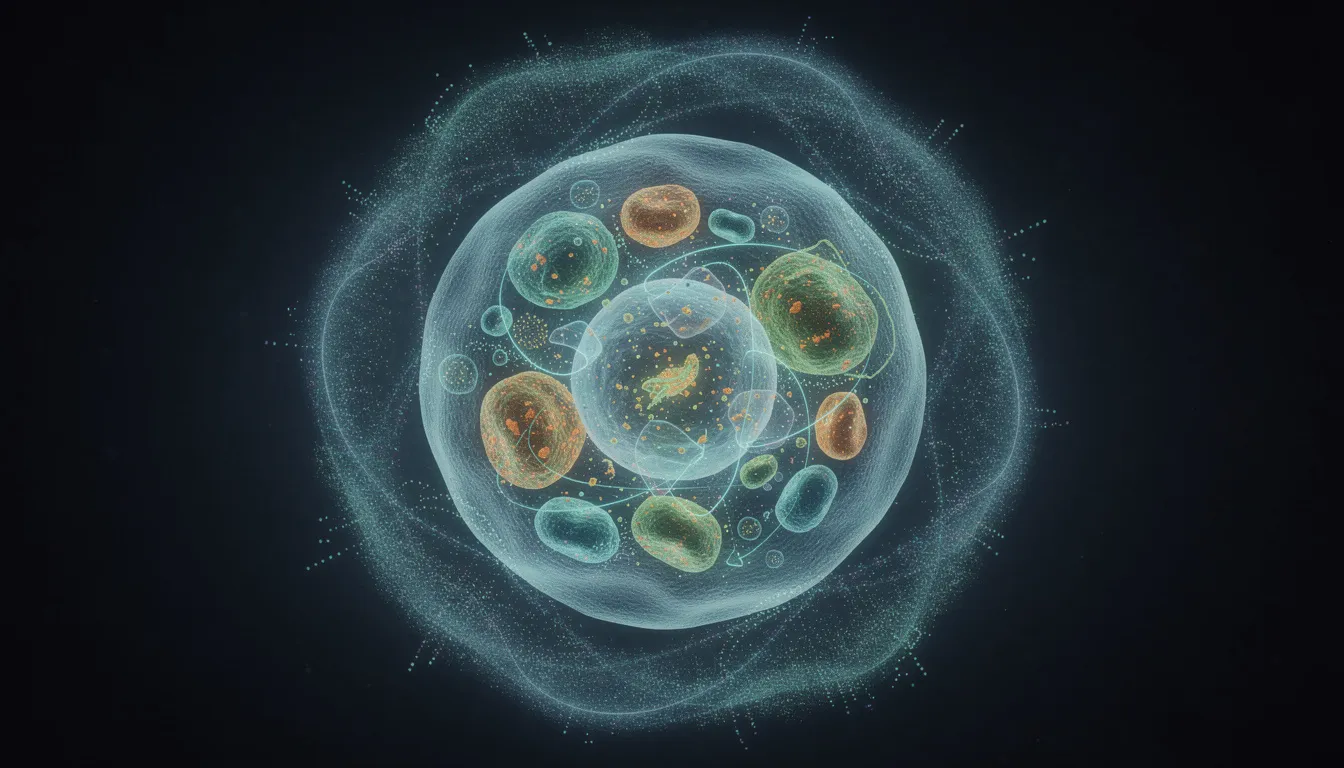
Apigenin: Nature’s Cellular Guardian
Apigenin is a yellow plant pigment found at notable concentrations in chamomile (Matricaria chamomilla), parsley, celery, and certain citrus fruits. Its presence in chamomile has made this flowering herb a staple of traditional medicine across cultures, with ancient Egyptian, Greek, and Roman texts documenting its use for calming and anti inflammatory effects.
Modern scientific interest in apigenin surged following its structural isolation in the 1950s, leading to extensive investigation of its biological activities. The compound’s antioxidant actions have been well-characterized in laboratory settings. Apigenin can scavenge free radicals directly through its molecular structure, which allows it to donate electrons and neutralize harmful free radicals before they damage cellular components.
Beyond direct scavenging, apigenin appears to support the body’s endogenous antioxidant systems. Cell and animal studies have demonstrated its ability to enhance the activity of protective enzymes like superoxide dismutase and catalase, which form part of the body’s natural defense against oxidative stress.
The anti inflammatory effects of apigenin have been documented across numerous preclinical studies. Research shows it can downregulate COX-2 and iNOS enzymes while inhibiting NF-κB signaling—a master regulator of inflammatory responses. A 2014 study published in the journal Nutrients explored these mechanisms, demonstrating how apigenin modulates multiple inflammatory pathways simultaneously.
Perhaps most intriguing for longevity researchers is early evidence that apigenin may inhibit CD38, an NAD⁺-consuming enzyme. Since NAD⁺ levels decline with age and are critical for mitochondrial function and DNA repair, compounds that help maintain NAD⁺ have attracted significant attention. This mechanism makes apigenin interesting not just as an antioxidant but as a potential supporter of cellular energy metabolism.
Spermidine: The Autophagy Activator
Spermidine is a polyamine present in virtually all living cells, playing essential roles in DNA stabilization, protein synthesis, and cellular maintenance. While its name derives from its original discovery in seminal fluid, spermidine is now recognized as a dietary compound found throughout the food supply and produced endogenously within our own bodies.
To understand spermidine’s significance, you need to understand autophagy—a cellular process that translates roughly to “self-eating” in Greek. Think of autophagy as cellular housekeeping: the systematic identification, breakdown, and recycling of worn-out proteins, damaged organelles, and other cellular debris. This recycling process provides raw materials for new cellular components while removing potentially harmful accumulations.
Autophagy activity generally declines with age, which is one reason why damaged components accumulate in aging tissues and contribute to age related diseases.
Landmark research has demonstrated that spermidine can extend lifespan in multiple model organisms. Studies published in journals like Nature Cell Biology between 2009 and 2016 showed that spermidine supplementation increased lifespan in yeast, worms, flies, and mice—often by 10-20% when administered in mid-life. Critically, these effects appeared to be autophagy-dependent, meaning they required functional autophagy machinery to manifest.
The human evidence, while less definitive, is encouraging. Large observational studies from European cohorts, published between 2016 and 2018, have linked higher dietary spermidine intake with reduced all-cause mortality, lower cardiovascular mortality, and better cognitive outcomes. A major prospective study found that individuals with the highest spermidine intake had approximately 24% lower all-cause mortality compared to those with the lowest intake.
It’s essential to note that these are associations, not proof of causation. People who eat more spermidine-rich foods may also engage in other health-promoting behaviors. However, when combined with the strong mechanistic data from preclinical research, the findings suggest spermidine warrants serious attention in longevity research.
Apigenin’s Health-Supporting Roles Across the Body
Most of what we know about apigenin comes from cell culture and animal research, with a smaller but growing number of human studies. This means we should view apigenin as potentially supportive for various aspects of health rather than as a proven therapeutic intervention. Human responses often differ from what’s observed in model organisms, and doses used in laboratory settings frequently exceed what people typically obtain from diet alone.
With those caveats in mind, apigenin has been investigated across several key health domains: inflammation balance, oxidative stress management, metabolic health, brain function, and sleep and anxiety support. The following sections explore each of these areas in greater detail, always distinguishing between what the science suggests and what has been definitively proven in humans.
Anti-Inflammatory Support: Calming Low-Grade Inflammation
Chronic low-grade inflammation—sometimes called “inflammaging”—is increasingly recognized as a common thread linking many age-related conditions. Unlike acute inflammation (the redness and swelling that follow an injury), chronic inflammation operates at low levels over extended periods, gradually contributing to tissue damage and dysfunction.
Preclinical findings suggest that apigenin can help modulate this chronic inflammation process. Studies have shown it reduces production of pro-inflammatory cytokines including TNF-α and IL-6, which are elevated in many inflammation related diseases. By inhibiting enzymes like COX-2 and blocking NF-κB translocation, apigenin appears to support a more balanced inflammatory response in the immune system.
Human evidence, while limited, provides some supporting data. Small pilot studies using chamomile extract (which contains apigenin among other flavonoids) have reported improvements in inflammatory markers and subjective well being in participants. However, it’s important to note that chamomile extracts contain many bioactive compounds, making it difficult to attribute effects specifically to apigenin alone.
Practical strategies for reducing inflammation extend well beyond any single compound. The anti inflammatory effects of apigenin work best within a comprehensive approach that includes:
Following a Mediterranean-style dietary pattern rich in vegetables, olive oil, and fish
Prioritizing adequate sleep (7-9 hours for most adults)
Engaging in regular physical activity, including both aerobic exercise and strength training
Managing stress through practices like meditation, time in nature, or social connection
Minimizing processed foods, excess sugar, and industrial seed oils
Antioxidant Activity: Defending Against Oxidative Stress
Oxidative stress occurs when the production of reactive oxygen species (ROS) overwhelms the body’s antioxidant defenses. This imbalance can result from everyday exposures like air pollution, cigarette smoke, excessive alcohol, poor diet, and chronic psychological stress. Even normal metabolic processes generate some ROS as byproducts of energy production.
Apigenin’s molecular structure makes it well-suited to neutralize free radicals. Its chemical arrangement allows it to donate electrons to unstable ROS molecules, effectively disarming them before they can damage lipids, proteins, and DNA—the core components of cellular machinery. This activity has been demonstrated consistently in laboratory antioxidant assays and animal models investigating reducing oxidative stress.
By supporting antioxidant defenses, apigenin may help protect cellular components from oxidative damage, which is a central theme in aging biology and skin health research. The oxidative theory of aging suggests that accumulated oxidative damage contributes to the functional decline we associate with getting older.
However, it’s worth noting that antioxidant supplements have shown mixed results in large-scale human trials. The relationship between antioxidants and health is more nuanced than early research suggested. Rather than positioning apigenin as a standalone solution, it’s more accurate to view it as one component of a dietary pattern rich in colorful plant foods—each contributing its own spectrum of protective compounds that work synergistically.
Metabolic & Blood Sugar Balance
Several rodent and cell studies suggest apigenin may influence glucose metabolism, insulin sensitivity, and lipid profiles in ways that could support healthier metabolic function. This has implications for metabolic health and the management of blood glucose levels.
Experimental findings indicate that apigenin can improve insulin signaling pathways and reduce markers of metabolic stress in animal models. Some research has shown effects on AMPK activation, a key energy-sensing enzyme that influences blood sugar regulation and other metabolic processes. Studies have also noted improvements in lipid handling and reduced markers of fatty liver in experimental settings.
Human data in this area remains limited, and the doses used in animal studies often far exceed what would be obtained through diet or typical supplementation.
Practical tips for supporting metabolic health include:
Incorporating apigenin-rich herbs like parsley and celery leaves into fiber-rich meals
Pairing these foods with quality protein and healthy fats to slow glucose absorption
Engaging in regular physical activity, which powerfully influences insulin sensitivity
Maintaining consistent meal timing and avoiding late-night eating
Prioritizing sleep, as poor sleep significantly impairs glucose metabolism
Apigenin should never replace prescribed treatments for blood sugar disorders. Anyone with diabetes or pre-diabetes should work closely with their healthcare team before making significant dietary or supplement changes.
Brain, Mood, and Sleep Support
Preclinical evidence suggests apigenin may interact with GABA_A receptors in the brain—the same receptors targeted by benzodiazepine medications. This interaction appears to produce anxiolytic-like (anxiety-reducing) and sedative-like effects in animal models, which aligns with the traditional use of chamomile tea as a calming beverage before bed.
Human studies, while limited, provide some supporting evidence for these effects. Small randomized trials conducted between 2011 and 2016 examined chamomile extract in participants with general anxiety or sleep difficulties. Results showed modest benefits for anxiety symptoms and sleep quality, though findings were not definitive, and the extracts used contained multiple active compounds beyond apigenin.
The combination of mild calming effects with antioxidant and anti inflammatory actions has led researchers to investigate apigenin’s potential for neuroprotective effects. Cell and animal studies suggest it may support nerve cells under various stress conditions, though this research remains early-stage.
For those interested in practical, low-risk applications supporting brain health and cognitive function:
Consider a chamomile tea ritual in the evening as part of a wind-down routine
Practice good sleep hygiene: consistent bedtime, cool dark room, no screens for 1-2 hours before sleep
Manage light exposure with bright light in the morning and dim light in the evening
Address underlying stress through appropriate therapeutic interventions when needed
Individuals with mental health conditions should prioritize professional care rather than self-treating with supplements or herbal preparations.
Spermidine and the Aging Process: Cellular Housekeeping for the Long Haul
Spermidine has emerged as one of the best-characterized autophagy activators in nutritional science, with a research history spanning several decades. Influential reviews published in journals such as Nature Reviews Molecular Cell Biology and Nature Aging have positioned spermidine among the most promising dietary compounds for supporting healthy aging.
While most direct lifespan extension data comes from non-human organisms, human observational and early interventional studies are now emerging around cardiovascular, cognitive, and overall aging outcomes. This body of evidence has generated substantial interest among both researchers and individuals seeking science backed benefits for longevity.
One important consideration is that spermidine levels in tissues tend to decline with age. Our overall spermidine status depends on three sources: dietary intake, gut microbiota production, and endogenous synthesis within our cells. This declining trajectory has led some researchers to propose that maintaining higher spermidine levels through diet or supplementation might help preserve the autophagy function that typically diminishes with advancing biological age.
Autophagy and Lifespan Research
The preclinical data on spermidine and lifespan is remarkably consistent across species. Studies have demonstrated that spermidine supplementation extended lifespan in yeast, worms, flies, and mice—typically by roughly 10-20% when administered during mid-life rather than from birth. These effects appeared to require functional autophagy machinery, suggesting that autophagy induction is the primary mechanism underlying spermidine’s benefits.
Mechanistically, spermidine inhibits certain histone acetyltransferases, particularly EP300. This leads to changes in gene expression patterns that favor autophagy and cellular stress resistance. The resulting increase in autophagic activity helps clear damaged proteins and dysfunctional mitochondria that would otherwise accumulate and impair cellular function.
While these effects are promising, they do not guarantee similar lifespan extension in humans. Our biology is far more complex, our lifespans longer, and the dosing patterns used in laboratory studies may not translate directly.
Spermidine belongs to a cluster of compounds sometimes called “caloric restriction mimetics”—substances that appear to activate some of the same protective pathways triggered by reduced caloric intake without requiring actual food restriction. Other compounds in this category include resveratrol and various NAD⁺ precursors. Together, they represent an emerging toolkit for supporting cellular resilience and healthy aging.
Cardiovascular and Metabolic Health Pathways
The most compelling human data for spermidine comes from cardiovascular health research. A major prospective cohort study from central Europe, published in Nature Medicine around 2016, linked higher dietary spermidine intake with significantly lower risk of cardiovascular events and reduced all-cause mortality. Participants in the highest quintile of spermidine intake showed approximately 27% lower cardiovascular mortality compared to those in the lowest quintile. Spermidine has been found to improve cardiovascular health by reducing blood pressure and enhancing endothelial function.
It’s crucial to note this was an observational study—it can show associations but cannot prove that spermidine caused the reduced mortality. Confounding factors may partially explain the findings. Nevertheless, when combined with mechanistic evidence from laboratory studies, the association becomes more compelling. Higher dietary intake of spermidine correlates with lower blood pressure and reduced overall mortality.
Animal research has provided mechanistic insights into how spermidine might support cardiovascular health:
Mechanism |
Observed Effect in Animal Models |
|---|---|
Endothelial function |
Improved blood vessel relaxation and nitric oxide availability |
Arterial elasticity |
Reduced arterial stiffness and improved compliance |
Blood pressure |
Modest reductions in systolic and diastolic pressure |
Cardiac remodeling |
Decreased fibrosis and improved heart function under stress |
Mitochondrial function |
Enhanced respiration in heart muscle cells |
These cardiovascular benefits appear connected to broader metabolic effects. Spermidine influences lipid metabolism, insulin sensitivity, and fat tissue function in rodent studies, suggesting potential benefits for metabolic health beyond just the heart. Improved vascular health and mitochondrial function from spermidine may also contribute to enhanced athletic performance. However, human intervention trials in this domain remain limited and exploratory—clinical trials are ongoing but definitive results will take time. Collectively, these findings highlight spermidine’s promise to support healthy aging and heart health.
Brain Health, Cognition, and Hair Growth
Early animal and cell culture research indicates that spermidine may support neuronal autophagy, synaptic function, and memory performance in aging models. By helping nerve cells clear accumulated debris and maintain mitochondrial quality, spermidine could theoretically help preserve cognitive function as the brain ages.
Human evidence, while preliminary, offers encouragement. Small pilot trials using spermidine-rich wheat germ extract in older adults at risk for cognitive decline have reported modest benefits for memory performance and cognitive measures. A notable 1-year human trial administering approximately 3.3 mg of daily spermidine via food in older adults reported cognitive improvements in 42% of participants, while 30% remained unchanged and 28% showed decline. Effects appeared strongest in individuals with mild-to-moderate cognitive concerns, where higher doses outperformed lower ones.
These findings suggest potential, but sample sizes remain small and further research is needed before drawing firm conclusions about spermidine’s effects on cognitive decline or brain health.
In a somewhat unexpected research direction, spermidine has also been studied in dermatology for its effects on hair follicles. Laboratory research has shown that spermidine can prolong the anagen (active growth) phase of hair follicles in ex vivo and in vitro models. This suggests a potential supportive role for bone health of hair follicles (the maintenance of follicle structure and function), though clinical applications remain speculative and largely untested in rigorous human trials.
Hair and brain health are multifactorial, influenced by genetics, hormones, nutrition, stress, and many other variables. Spermidine should be viewed as one potential supportive factor within a comprehensive approach, not a standalone solution.
Immune Balance and Inflammation
The immune system relies heavily on autophagy and metabolic flexibility—both of which spermidine plays a significant role in supporting according to preclinical models. Immune cells must rapidly adapt their energy metabolism and clear intracellular debris to function effectively, making them particularly dependent on robust autophagic machinery.
Basic research has demonstrated that spermidine can modulate T-cell function, promote cellular quality control in immune cells, and reduce excessive production of certain inflammatory cytokines under stress conditions. Studies have shown spermidine’s ability to suppress TNF-α production, inhibit NF-κB translocation, and reduce expression of inflammatory mediators like IL-1β and IL-18.
These mechanistic findings suggest spermidine’s actions may contribute to a more balanced immune response as we age—potentially helping address the “inflammaging” phenomenon discussed earlier. By maintaining autophagy and immune function, spermidine could theoretically help the immune system respond appropriately without becoming chronically activated.
Lifestyle strategies that synergize with spermidine for immune support include:
Prioritizing 7-9 hours of quality sleep (sleep deprivation dramatically impairs immune function)
Consuming a micronutrient-dense diet with adequate zinc, vitamin D, and vitamin C
Managing chronic stress, which suppresses immune activity
Engaging in moderate physical activity (excessive exercise can temporarily suppress immunity)
Maintaining social connections and psychological well being
Dietary Sources and Practical Ways to Increase Intake
Before reaching for supplements, it’s worth exploring how both apigenin and spermidine can be obtained through food sources. A “food first” approach ensures you’re getting these compounds alongside the fiber, vitamins, minerals, and other bioactive substances that enhance their effects.
Apigenin-rich foods include:
Chamomile tea (one of the most concentrated sources)
Fresh parsley (particularly Italian flat-leaf varieties)
Celery and celery leaves
Onions (especially the outer layers)
Artichokes
Certain citrus fruits and their peels
Fresh herbs like oregano and thyme
Incorporating these foods doesn’t require dramatic dietary changes. Adding a generous handful of chopped parsley to salads, soups, or grain dishes significantly increases apigenin intake. An evening chamomile infusion provides both apigenin and a calming ritual that supports sleep quality.
Spermidine-rich foods include:
Wheat germ (one of the highest concentrations)
Fermented soy products: natto, tempeh, miso
Mushrooms (various species)
Legumes: lentils, chickpeas, peas, green beans
Aged cheeses (particularly Parmesan and cheddar)
Seeds and whole grains
Cauliflower and broccoli
The content of spermidine in foods varies considerably—from roughly 1 to 35 mg per kilogram in different grains alone. Fermented and aged products tend to have higher concentrations due to microbial activity during processing.
Meal ideas combining both compounds:
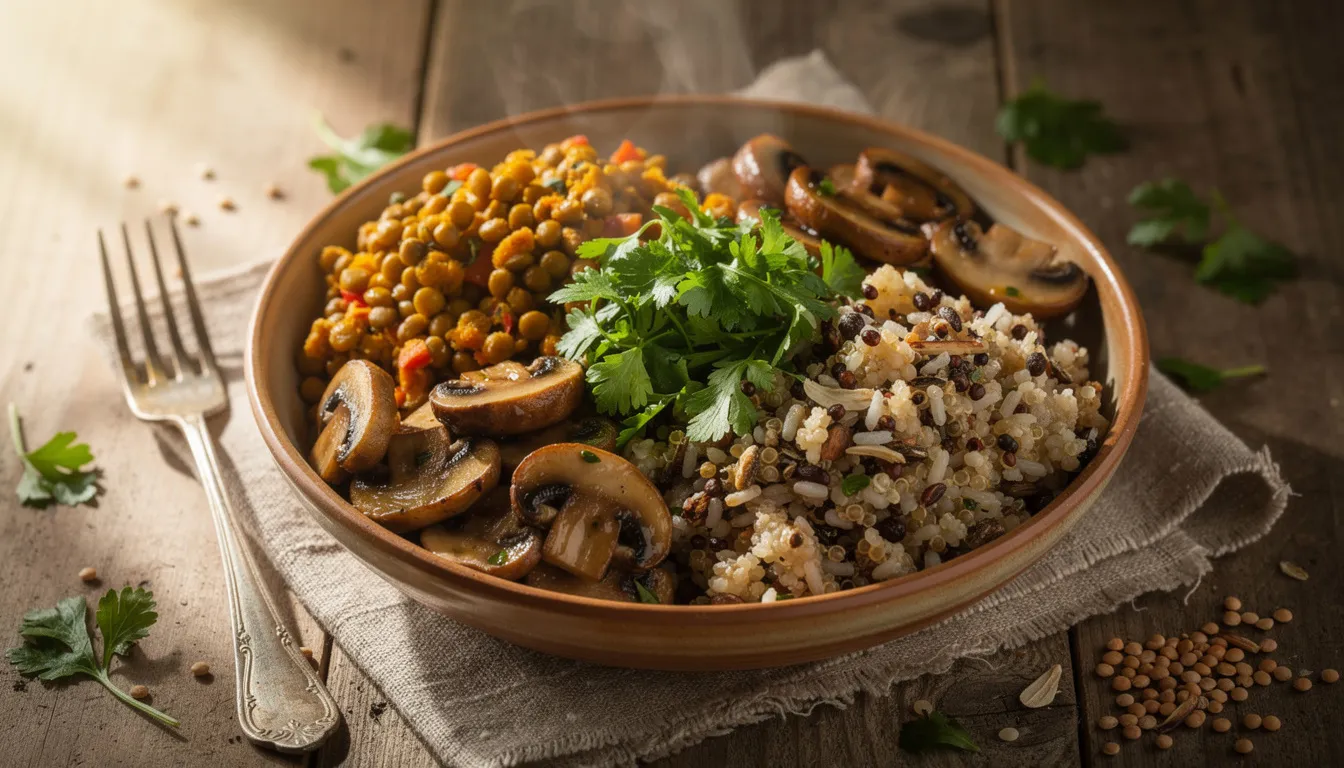
Lentil and Parsley Salad: Cooked lentils (spermidine) tossed with generous fresh parsley (apigenin), olive oil, lemon juice, and diced celery. Serve over mixed greens.
Miso Soup with Mushrooms and Celery: Traditional miso broth (spermidine) with sliced shiitake mushrooms, diced celery, and tofu, garnished with scallions and a sprinkle of wheat germ.
Evening Chamomile and Whole-Grain Dinner: A dinner featuring whole grains like farro or wheat berries with roasted vegetables and legumes, followed by a cup of chamomile tea.
Apigenin, Spermidine, and the Longevity Stack
Many health-conscious adults and longevity enthusiasts combine apigenin and spermidine with other well-studied compounds as part of a coordinated “stack” aimed at supporting cellular resilience. Common additions include NMN supplements (NAD⁺ precursors), resveratrol, magnesium, and omega-3 fatty acids.
The logic behind stacking stems from the recognition that aging involves multiple overlapping processes—no single compound addresses all of them. By targeting different pathways simultaneously, the hope is to achieve synergistic or additive benefits that exceed what any single intervention could provide alone.
Potential mechanistic synergies include:
Compound |
Primary Mechanism |
Potential Synergy |
|---|---|---|
Apigenin |
CD38 inhibition, antioxidant |
May help maintain NAD⁺ levels by reducing its consumption |
Spermidine |
Autophagy induction |
Enhances cellular cleanup and recycling |
NMN/NR |
NAD⁺ precursor |
Directly boosts NAD⁺ for mitochondrial function and DNA repair |
Resveratrol |
SIRT1 activation, antioxidant |
Supports mitochondrial biogenesis and stress resistance |
Magnesium |
Enzyme cofactor, muscle/nerve function |
Supports hundreds of enzymatic reactions including energy production |
From our perspective at Vitruvin, stacking should be personalized rather than copied from internet protocols. Factors to consider include age, current health status, specific goals, existing medications, and—where accessible—relevant lab markers like metabolic panels or inflammatory markers.
Stacking carries risks of over-supplementation, “pill fatigue,” and the misconception that more is always better. The most impactful longevity interventions remain foundational: quality sleep, nutrient-dense eating, regular movement, stress management, and social connection.
Supplements should enhance these foundations, not substitute for them. For many people, focusing on mastering the basics while adding one or two targeted supplements based on individual needs represents a more sustainable and effective approach than complex multi-compound regimens.
Safety, Dosing Considerations, and Who Should Be Cautious
Both apigenin and spermidine have demonstrated favorable safety profiles in the available research, though important caveats apply.
Apigenin safety data:
Animal toxicology studies show low toxicity even at relatively high doses
As a common dietary flavonoid consumed for millennia in foods and teas, the safety record is extensive
Concentrated supplemental forms have less long-term safety data than dietary sources
Potential pro-oxidant effects at very high doses (a theoretical concern with many antioxidants)
Spermidine safety data:
90-day toxicology studies in animals demonstrated favorable safety
Small human trials using low-milligram daily doses (typically 1-6 mg) have reported no significant adverse effects
As an endogenous compound present in all living cells, the body has established mechanisms for regulating spermidine levels
Long-term supplementation data remains limited
There is no universally agreed “optimal dose” for healthspan benefits in humans. Human trials have typically used standardized extracts providing specific amounts—often a few milligrams of spermidine from wheat germ extract. These amounts may differ substantially from what people obtain through typical dietary intake.
Groups who should exercise particular caution and consult a healthcare professional:
Individuals with active cancers or cancer history (polyamines like spermidine have complex roles in cell growth; some cancer cells have elevated polyamine metabolism)
People taking immunosuppressive or chemotherapeutic medications
Pregnant or breastfeeding individuals
Those with significant liver or kidney disease
Anyone taking multiple medications where interactions could occur
Practical guidance for those considering spermidine supplements or increased apigenin intake:
Start with food sources before considering concentrated supplements
If supplementing, begin with low doses and increase gradually
Introduce one new supplement at a time to identify any adverse effects
Monitor how you feel—energy, sleep quality, digestion, mood
Remember that supplements are not substitutes for prescribed therapies
Discuss significant changes with your healthcare provider
Putting It All Together: A Realistic Longevity Blueprint
Apigenin and spermidine are promising, science-backed nutrients that support key aging-related pathways—oxidative stress and inflammation, autophagy, and cellular repair. However, they work best when integrated into a broader lifestyle strategy rather than viewed as magic bullets for a healthy life.
Here’s what a practical day might look like incorporating these compounds alongside other longevity practices:
Morning:
Wake at a consistent time; expose yourself to bright natural light within 30 minutes
Nutrient-dense breakfast featuring whole grains (spermidine), eggs or other quality protein
Consider a spermidine supplement if appropriate (discuss with healthcare provider)
Midday:
Physical activity—could be strength training, walking, cycling, or sports
Lunch incorporating legumes, vegetables, and fresh herbs including parsley (apigenin)
Stress management through brief meditation, breathwork, or time outdoors
Evening:
Dinner featuring mushrooms, fermented foods, or aged cheese (spermidine sources)
Generous fresh parsley, celery, or other apigenin-rich herbs
Wind-down routine including dim lighting and reduced screen time
Chamomile tea (apigenin) as part of a relaxation ritual
Consistent bedtime supporting 7-9 hours of sleep
Tracking your progress can help identify what’s working for your optimal health. Practical markers to monitor include:
Subjective energy levels throughout the day
Sleep quality and morning alertness
Exercise capacity and recovery
Mood and stress resilience
Cognitive clarity and focus
Where accessible, periodic lab testing can provide additional insights—metabolic markers, inflammatory indicators, and emerging biological age assessments offer more objective data points. However, avoid fixation on any single metric; overall well being matters most.
The field of longevity research continues to evolve rapidly. Stay curious about emerging findings on apigenin, spermidine, and NAD⁺ biology, while recognizing that our deeper understanding of these compounds is still developing. Work with qualified practitioners when making significant changes to your supplement or medication regimen, and maintain realistic expectations about what any single intervention can achieve.
The goal isn’t to live forever—it’s to stay healthy and functional for as long as possible, compressing the period of decline and maximizing years of vitality. Compounds like apigenin and spermidine represent useful tools within this mission, but they’re most powerful when combined with the timeless foundations: move your body, nourish it well, sleep deeply, manage stress, and maintain meaningful connections with others. The numerous health benefits you seek come from consistent application of these principles over time, not from any single supplement bottle.
References and Further Reading
The following sources provide deeper exploration of the topics covered in this article. References are included for educational purposes; readers should discuss health decisions with their own healthcare providers.
Madeo F, Eisenberg T, et al. “Spermidine in health and disease.” Science, 2018. Comprehensive review of spermidine’s mechanisms and potential health benefits.
Kiechl S, Pechlaner R, et al. “Higher spermidine intake is linked to lower mortality: a prospective population-based study.” American Journal of Clinical Nutrition, 2018. Key epidemiological evidence linking dietary spermidine to reduced mortality.
Eisenberg T, Abdellatif M, et al. “Cardioprotection and lifespan extension by the natural polyamine spermidine.” Nature Medicine, 2016. Landmark study on spermidine’s cardiovascular and longevity effects.
Salehi B, Venditti A, et al. “The therapeutic potential of apigenin.” International Journal of Molecular Sciences, 2019. Overview of apigenin’s antioxidant, anti inflammatory, and neuroprotective properties.
Amsterdam JD, Shults J, et al. “Chamomile (Matricaria recutita) may provide antidepressant activity in anxious, depressed humans: an exploratory study.” Alternative Therapies in Health and Medicine, 2012. Human trial examining chamomile’s effects on mood and anxiety.
Wirth M, Benson G, et al. “The effect of spermidine on memory performance in older adults at risk for dementia: A randomized controlled trial.” Cortex, 2018. Clinical research on spermidine supplementation and cognitive outcomes.
Gupta SC, Kunnumakkara AB, et al. “Discovery of curcumin, a component of golden spice, and its miraculous biological activities.” Clinical and Experimental Pharmacology and Physiology, 2012. While focused on curcumin, provides context for flavonoid research methodology.
Pietrocola F, Lachkar S, et al. “Spermidine induces autophagy by inhibiting the acetyltransferase EP300.” Cell Death and Differentiation, 2015. Mechanistic study explaining how spermidine activates autophagy.
Minois N, Carmona-Gutierrez D, Madeo F. “Polyamines in aging and disease.” Aging, 2011. Review of polyamine biology in the context of cellular aging.
Schwarz C, Stekovic S, et al. “Safety and tolerability of spermidine supplementation in mice and older adults with subjective cognitive decline.” Aging, 2018. Safety profile data for spermidine in human subjects.
Clinical trials ongoing (post-2021): Multiple registered studies continue examining spermidine’s effects on cognition, cardiovascular markers, and aging biomarkers. Search ClinicalTrials.gov for current research.
Note: Scientific research evolves continuously. The clinical research cited represents current understanding but may be updated as new studies emerge. Always consult qualified healthcare professionals before making decisions about supplements or changes to your health regimen.
Cellular Health Benefits: The Foundation of Longevity
At the heart of healthy aging and optimal well-being lies the concept of cellular health. Every process in the human body—from energy production to immune defense—depends on the vitality and resilience of our cells. Among the natural compounds that have captured the attention of longevity researchers, spermidine stands out for its significant role in supporting cellular health and promoting a longer, healthier life.
Spermidine, a naturally occurring polyamine, is essential for maintaining the integrity and function of our cells. One of its most remarkable attributes is its ability to stimulate autophagy, the body’s built-in cellular recycling system. Through autophagy, cells clear away damaged proteins and worn-out components, reducing the accumulation of harmful free radicals and minimizing oxidative stress and inflammation. This process is crucial for protecting against age related diseases such as cardiovascular disease, cancer, and neurodegenerative disorders.
The health benefits of spermidine extend far beyond cellular cleanup. By supporting autophagy, spermidine helps reduce chronic inflammation—a key driver of many inflammation related diseases. Its anti inflammatory effects have been linked to improved cardiovascular health, lower blood pressure, and a significant reduction in risk factors associated with heart disease. Additionally, spermidine’s anti cancer effects have been observed in laboratory studies, where it inhibits the growth of cancer cells and promotes apoptosis, or programmed cell death.
Spermidine also plays a crucial role in brain health and cognitive function. Its neuroprotective effects help safeguard nerve cells from damage, supporting memory and reducing the risk of cognitive decline as we age. By reducing oxidative stress and inflammation in the brain, spermidine may contribute to sharper thinking and better overall well being.
Immune function is another area where spermidine shines. Research suggests that spermidine helps regulate immune cells and promotes a balanced immune response, which is especially important for older adults seeking to stay healthy and resilient. By supporting immune health, spermidine may help reduce susceptibility to infections and support the body’s ability to heal and recover.
Clinical research into spermidine supplementation has shown promising results, including improvements in glucose metabolism, reductions in blood pressure, and support for healthy aging. While further research is needed to fully understand all the potential health benefits, current evidence suggests that spermidine plays a significant role in reducing oxidative stress and inflammation, supporting cardiovascular health, and promoting overall health and longevity.
In summary, spermidine’s ability to stimulate autophagy and support cellular health makes it a powerful ally in the quest for healthy aging. Its numerous health benefits—from anti inflammatory and anti cancer effects to neuroprotective and immune-supporting properties—underscore its importance as a foundational nutrient for anyone seeking to optimize their health and well-being as they age. As always, ongoing research will continue to deepen our understanding of how spermidine supplementation can best support human health in the years to come.


Comments