
Controlling NAD Levels = Controlling the Speed of the Aging Process?


The idea that a single molecule could influence how quickly we age sounds almost too good to be true. Yet nicotinamide adenine dinucleotide—commonly known as NAD—has captured the attention of longevity researchers worldwide precisely because of its central role in cellular function. This coenzyme participates in hundreds of biochemical reactions that keep cells alive, energized, and capable of self-repair. In recent years, there has been growing interest in NAD+ for its potential anti aging effects, with emerging research suggesting that increasing NAD levels may help slow cellular aging. The question driving current research: if nad levels decline as we get older, can restoring them actually slow down the biological changes we associate with aging?
This article examines that question through the lens of published research, animal studies, and the growing body of human clinical data available through 2024. The goal is to provide a clear, science-backed understanding of what NAD does, why it matters for healthy aging, and what the evidence actually supports—without overpromising or making claims that outpace the science.
At Vitruvin, we focus on evidence-based longevity supplements and personalized health coaching, including products like NMN and resveratrol. However, this article is purely informational. We believe that understanding the science is the foundation for making informed choices about your own health journey.
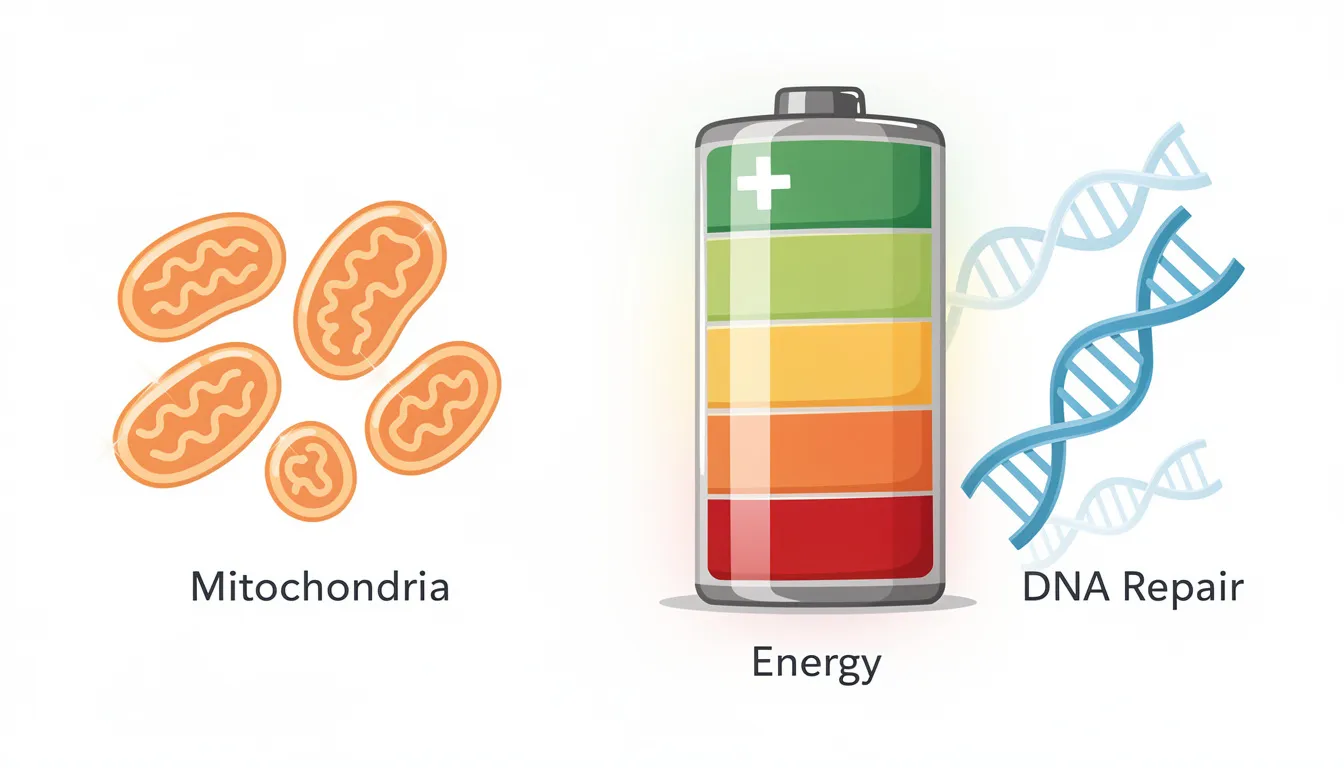
What Is NAD, NAD⁺, and Why Do They Matter for Aging?
NAD is a coenzyme found in every living cell of your body. It exists in two primary forms: NAD⁺ (the oxidized form) and NADH (the reduced form). These two forms cycle back and forth as they participate in redox reactions—chemical exchanges where electrons move between molecules. During these metabolic processes, NADH can donate electrons to other molecules, a key step in cellular energy production and enzymatic activity. This constant cycling is what makes NAD essential for cellular metabolism.
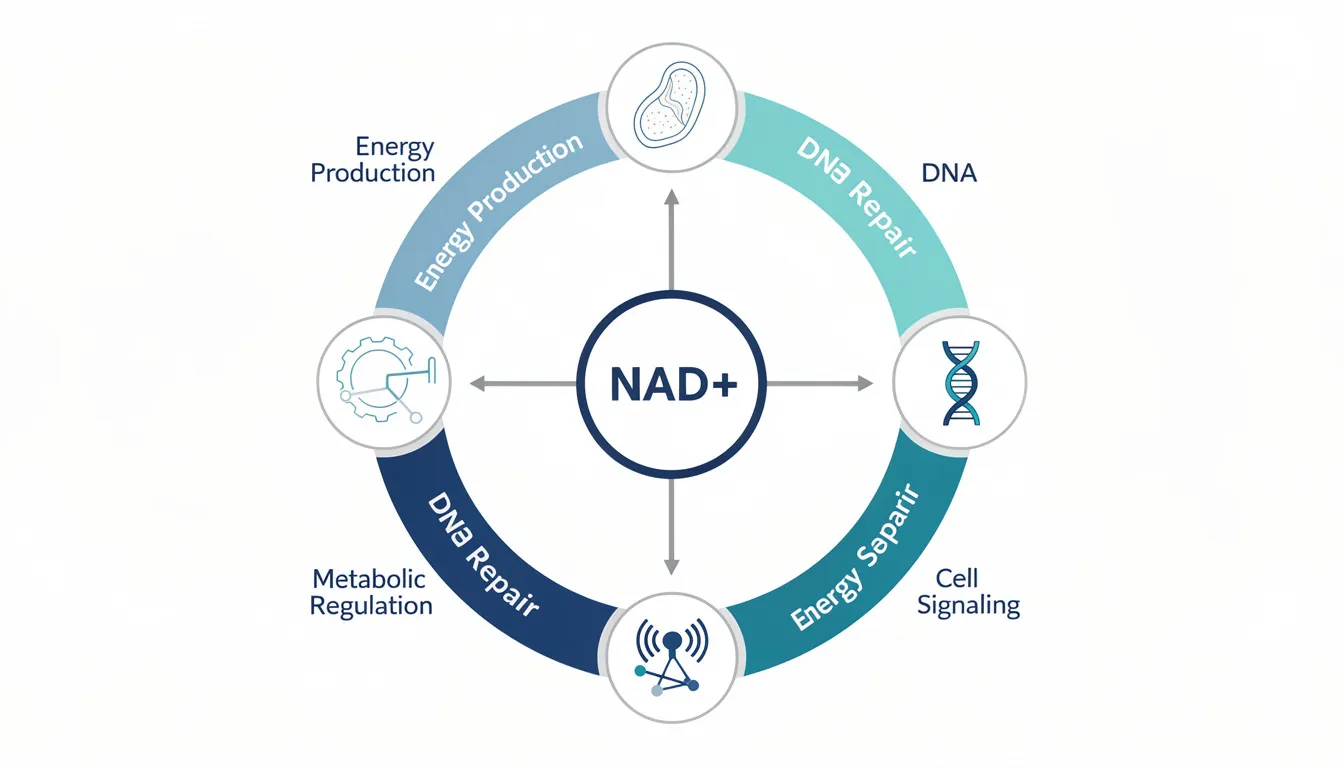
The functions of NAD⁺ extend far beyond simple energy production. Here’s what this molecule does at the cellular level:
Function |
What It Means |
|---|---|
Energy production |
NAD⁺ helps convert nutrients from food into adenosine triphosphate (ATP), the energy needed for virtually every cellular process |
DNA repair |
NAD⁺ powers enzymes that fix damaged DNA, maintaining genomic stability |
Cell signaling |
Acts as a signaling molecule that coordinates responses to stress and metabolic demands |
Mitochondrial function |
Supports the electron transport chain and overall mitochondrial health |
Cellular regulation |
Influences gene expression and protein activity through sirtuin activation |
You might also encounter references to NADP⁺ and NADPH—these are related molecules with an extra phosphate group that participate in different forms of redox metabolism, particularly in biosynthesis and antioxidant defense. However, longevity research primarily tracks NAD⁺ because of its direct connection to the enzymes most associated with aging and cellular repair.
The discovery of NAD dates back to 1906, when researchers first identified it during studies on fermentation. By the mid-20th century, scientists had established its essential role in biological chemistry and cellular metabolism. But it wasn’t until the 1990s and 2000s—particularly through work on sirtuins by researchers like David Sinclair—that NAD⁺ became a focal point in aging research. The realization that nad dependent enzymes require adequate NAD⁺ to function properly opened up new questions about what happens when levels drop.
How NAD Levels Change Over the Lifespan
Multiple studies across different forms of life—from yeast to mice to humans—consistently show that nad levels decline with chronological age. This isn’t a sudden drop but rather a gradual reduction that accumulates over decades.
In humans, research conducted between 2012 and 2020 has measured NAD⁺ in various tissues including skeletal muscle, brain tissue, and blood. The findings generally show lower NAD⁺ concentrations in older adults compared with younger individuals, though the precise percentage varies depending on the tissue examined and the measurement method used. Some studies report declines of 40-60% by middle age in certain tissues.
A particularly informative study published between 2019-2020 examined 1,518 Chinese adults aged 18 and older. The researchers found that whole blood NAD⁺ showed significant decline before age 50, with particularly notable reductions in the 40-49 age group. Interestingly, the pattern differed by gender: men exhibited steady losses across age groups (with a coefficient of -2.16 in the 60+ group after adjusting for BMI, smoking, diet, and comorbidities), while women showed fluctuations without the same consistent downward trend after 50. This suggests that hormonal factors—possibly estrogen—may offer some protective effects on NAD⁺ homeostasis.
In animal models, the picture is even clearer. Mouse studies demonstrate substantial NAD⁺ reductions by midlife, paralleling the onset of functional decline in metabolism, physical activity, and tissue regeneration.
What causes this decline? It’s not simply that the body makes less NAD—though that does occur. The decline also stems from increased consumption by enzymes activated during chronic inflammation, reactive oxygen species damage, and accumulated DNA damage. As these stressors increase with age, NAD⁺ gets used up faster than it can be replenished. The body's ability to maintain adequate NAD⁺ levels becomes crucial for supporting cellular repair, metabolism, and energy production as we age.
Inside the Cell: How NAD⁺ Interfaces With the Major Aging Pathways
Understanding why NAD⁺ matters for aging requires looking at the enzymes involved in using it. Three families of proteins are particularly relevant: sirtuins, PARPs, and CD38. Each consumes NAD⁺ to perform its function, and each has distinct implications for cellular health.
Sirtuins (particularly SIRT1 and SIRT3) are nad dependent enzymes that regulate stress resistance, mitochondrial quality control, and metabolic flexibility. When these proteins have adequate NAD⁺ available, they can activate protective pathways that promote cellular repair and resilience. Sirtuin activity has been linked to extended lifespan in multiple animal models.
PARPs (poly ADP-ribose polymerases) serve as DNA repair machinery. When cells experience DNA damage—from oxidative stress, radiation, or other insults—PARPs consume NAD⁺ to fix the breaks. This is essential for maintaining genomic stability, but there’s a catch: PARPs can consume up to 80% of cellular nad during periods of heavy DNA damage. This creates competition for a limited resource.
CD38 is an enzyme primarily found on immune cells that degrades NAD⁺ directly. Research shows that CD38 expression increases with age and chronic inflammation, meaning that older individuals may lose more NAD⁺ to degradation even as production slows.
The interplay between these systems helps explain why nad levels decline matters. When NAD⁺ is abundant, cells can simultaneously support energy production, DNA repair, and the protective activities of sirtuins. When NAD⁺ becomes scarce, trade-offs emerge. Cellular function becomes compromised, and many hallmarks of aging—impaired mitochondrial function, genomic instability, loss of proteostasis, and stem cell exhaustion—begin to manifest more prominently.
This connection between NAD⁺ availability and aging mechanisms is well-established in animal and cell studies. The question that remains more open is whether boosting nad in humans produces the same beneficial effects observed in laboratory models.
Does Controlling NAD Levels Control the Speed of Aging?
This brings us to the central question: can increasing nad levels actually slow how quickly we age?
The current evidence suggests that NAD⁺ levels can influence aspects of biological aging and cellular resilience—particularly in animal models—but NAD⁺ is not a single “master control” switch for lifespan. It’s more accurate to think of NAD⁺ as one important lever among many that affect how cells and tissues function over time.
What Animal Studies Show
The animal data is encouraging. Research shows that raising NAD⁺ through nad precursors like nicotinamide mononucleotide (NMN) or nicotinamide riboside (NR) has extended both lifespan and healthspan in several mouse strains. Studies have documented improvements in metabolic markers, cardiovascular function, and even cognitive performance in older animals receiving these supplements.
Genetic manipulation provides additional evidence. Overexpressing certain sirtuins or knocking out CD38 (the NAD⁺-degrading enzyme) produces mice that resist age-related decline and maintain better metabolic function into old age. These CD38 knockout mice effectively resist NAD⁺ decline, avoiding metabolic syndrome and diabetes-like states while mimicking some benefits of caloric restriction.
The Nuances and Limitations
However, not all the animal evidence points in the same direction. A notable 2025 study from the University of Copenhagen published in Cell Metabolism genetically depleted NAD⁺ in mouse skeletal muscle by 85%. Despite this dramatic reduction, the mice showed no muscle weakness, metabolic disruption, or accelerated aging. This suggests that different tissues may have different NAD⁺ requirements, and that the modest age-related drops typically observed (around 50% over a lifetime) may not be causally important for all organs.
This finding contrasts with brain and liver studies, where NAD⁺ loss correlates more strongly with neurodegeneration and metabolic dysfunction. The takeaway: NAD⁺ importance varies by tissue, and blanket statements about its effects may oversimplify a complex reality.
What This Means for Humans
In humans, the data so far—primarily from trials lasting weeks to months—mainly demonstrate changes in biomarkers rather than proven extension of lifespan. Potential benefits observed include improved insulin sensitivity, better muscle NAD⁺ content, and changes in inflammatory markers. These are meaningful outcomes, but they don’t yet prove that boosting nad levels will help people live longer.
“Controlling the speed of aging” is perhaps best understood as the ability to modulate biological aging markers—mitochondrial function, metabolic flexibility, DNA repair capacity—rather than literally stopping or reversing the aging process. NAD⁺ appears to be one contributor to these outcomes, but not the sole determinant. Factors like sleep, physical activity, diet, environmental exposures, and genetics all play roles that interact with NAD⁺ metabolism.
How the Body Makes and Uses NAD⁺ (Pathways and Precursors)
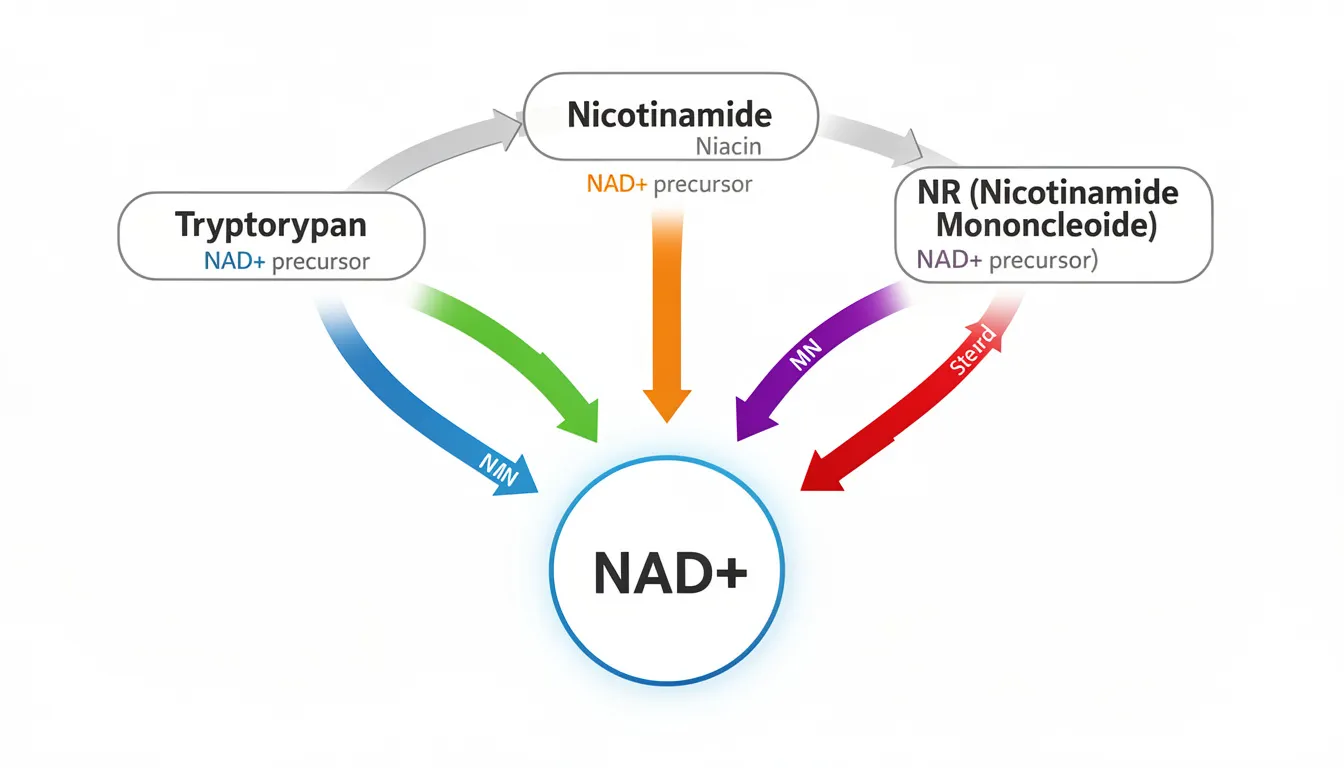
Cells generate NAD⁺ through several interconnected pathways, most of which use different forms of vitamin b3 as starting material. In addition, vitamin B—including niacin and related compounds—obtained from a healthy diet plays a key role in naturally supporting NAD production. Understanding these routes helps explain why certain supplements are thought to support nad production.
The De Novo Pathway
The de novo pathway starts with tryptophan, an amino acid found in protein-rich foods. Through a series of reactions called the kynurenine pathway, tryptophan is converted into NAD⁺. This route exists but is not the primary source of NAD⁺ in most adult tissues.
The Preiss-Handler Pathway
This pathway uses nicotinic acid (also known as niacin, a form of vitamin b3) as its starting material. Nicotinic acid enters cells and is converted through several enzymatic steps into NAD⁺.
The Salvage Pathways
In adult humans, the nicotinamide salvage pathway is thought to be the dominant route for maintaining cellular nad. This pathway recycles nicotinamide (NAM)—a byproduct of NAD⁺-consuming reactions—back into NAD⁺.
Two popular nad precursors, nicotinamide riboside (NR) and nicotinamide mononucleotide (NMN), enter this salvage pathway at different points:
Precursor |
Entry Point |
Key Consideration |
|---|---|---|
Nicotinamide riboside (NR) |
Converted to NMN, then to NAD⁺ |
Good oral bioavailability documented in human trials |
Nicotinamide mononucleotide (NMN) |
Directly converted to NAD⁺ |
Active research on transport mechanisms; recent discovery of specific transporter (Slc12a8) |
Different tissues may preferentially use different pathways and precursors. Research into how NMN and NR cross cell membranes—and whether they do so intact or must first be converted to other molecules—remains an active area of investigation.
Human Evidence: What Clinical Studies on NAD⁺ Precursors Actually Show
Most controlled human trials to date have used oral nicotinamide riboside or nicotinamide mononucleotide rather than direct NAD⁺ administration. Sample sizes have generally been modest—typically dozens to a few hundred participants—and study durations range from weeks to months, occasionally up to a year.
Nicotinamide Riboside Studies
A randomized controlled trial from around 2016 demonstrated that oral NR (at doses like 500-1000 mg per day) successfully increased blood NAD⁺ levels in healthy middle-aged and older adults. This established proof of concept: oral supplementation can raise measurable NAD⁺.
Subsequent studies have examined effects on cardiovascular markers like blood pressure and arterial stiffness, as well as inflammatory markers. Results have been mixed—some trials show modest improvements while others find no significant differences compared to placebo.
Nicotinamide Mononucleotide Studies
A 2021-2022 trial in postmenopausal women with prediabetes suggested that NMN supplementation (around 250-500 mg daily) improved insulin sensitivity and muscle nad metabolism. Other small studies have explored effects on aerobic capacity, fatigue, and muscle performance in older individuals.
These findings are preliminary. The cohorts are small, and the study periods are short relative to the decades over which aging unfolds.
The Bottom Line on Human Evidence
No large, decades-long human trials have yet demonstrated that any nad supplement extends human lifespan. The current evidence supports two conclusions:
Oral precursors like NR and NMN can successfully raise circulating NAD⁺ levels
This elevation correlates with some changes in metabolic and vascular markers
What remains unproven is whether these changes translate into meaningful disease prevention or life extension. This is an important distinction—biomarker improvements don’t automatically guarantee overall health benefits.
Energy and Metabolism: The Overlooked Benefits of NAD⁺
When it comes to energy production and metabolism, few molecules are as vital as NAD⁺ (nicotinamide adenine dinucleotide). This coenzyme is at the heart of how our cells generate adenosine triphosphate (ATP)—the energy currency that powers everything from muscle contraction to mental clarity. NAD⁺ acts as a key player in the electron transport chain within mitochondria, helping to convert nutrients from a healthy diet into the energy needed for daily life and cellular repair.
As we age, research shows that NAD levels decline, which can have a ripple effect on our overall health. Lower NAD⁺ means less efficient energy production, leading to symptoms like low energy, brain fog, and reduced physical activity. This decline also increases vulnerability to oxidative stress and metabolic disease, as the body’s ability to neutralize reactive oxygen species (ROS) and maintain redox metabolism becomes compromised.
Boosting NAD levels—whether through lifestyle choices, a targeted NAD supplement, or precursors like nicotinamide riboside (NR) and nicotinamide mononucleotide (NMN)—can help counteract these age-related changes. By increasing NAD production, you support mitochondrial function, enhance cellular metabolism, and help maintain the balance between oxidative and reductive reactions that is crucial for cellular health.
But NAD⁺ does more than just fuel energy production. It’s also a signaling molecule that regulates sirtuin activity, which is essential for DNA repair, cellular repair, and healthy aging. Sirtuins, powered by NAD⁺, help protect cells from damage, support metabolic flexibility, and promote longevity by influencing key cellular processes.
The potential benefits of boosting NAD levels are wide-ranging: improved energy levels, sharper mental clarity, better cellular function, and a reduced risk of chronic diseases linked to aging. Supporting NAD metabolism through a combination of a nutrient-rich diet, regular physical activity, and, when appropriate, supplementation, can help you maintain optimal well-being as you age.
It’s important to remember that while NAD supplements and precursors like NR and NMN are generally considered safe, consulting with a healthcare professional is essential before starting any new regimen. They can help you choose the right approach and ensure it fits your individual health needs.
In summary, NAD⁺ is a cornerstone of energy, metabolism, and cellular health. By understanding its role and taking steps to support NAD production—through both lifestyle choices and, if desired, supplementation—you can help maintain healthy energy levels, promote cellular repair, and support healthy aging for years to come.
Beyond Pills: Lifestyle Strategies to Support Healthy NAD⁺ Levels
Before considering any supplement, it’s worth recognizing that everyday habits can meaningfully affect nad metabolism by influencing both production and consumption of NAD⁺ in tissues.
Exercise
Regular physical activity—particularly endurance training and high-intensity intervals—upregulates NAMPT, the rate-limiting enzyme in the NAD⁺ salvage pathway. Research shows that consistent exercise can increase NAD⁺-related activity by 20-50% through activation of AMPK, a cellular energy sensor. Three to five sessions per week of moderate to vigorous activity appears to be a reasonable target for most adults.
Nutrition
A healthy diet rich in whole plant foods, adequate protein, and natural sources of vitamin b3 (legumes, whole grains, nuts, seeds, poultry, fish) provides the raw materials for nad production. Conversely, diets high in processed foods and added sugars may increase oxidative stress and accelerate NAD⁺ consumption.
Certain polyphenols found in foods like grapes and berries (including resveratrol) may support sirtuin activity, though the magnitude of these effects from diet alone is likely modest compared to direct precursor supplementation.
Sleep and Circadian Rhythm
NAD⁺ levels are tied to the body clock—they naturally fluctuate throughout the day. Consistent sleep-wake cycles and adequate nightly rest support the NAD⁺-sirtuin-clock interactions that regulate cellular function and the body’s ability to repair itself.
Thermal Stress
Hormetic stressors like sauna use or cold exposure may influence mitochondrial and NAD⁺-related pathways. Human data are still emerging, but the concept of controlled stress promoting cellular resilience has theoretical support.
Practical Example Week
A reasonable lifestyle pattern supporting NAD⁺ might include:
3-4 sessions of brisk walking, cycling, or swimming
1-2 strength training sessions
Consistent 10 PM-6 AM sleep schedule
Plant-forward meals with adequate protein
Optional: one sauna or contrast therapy session
This represents general wellness guidance—not a prescription. Individual needs vary based on age, health status, and lifestyle choices.

NAD⁺ Supplements and Interventions: Forms, Pros, and Open Questions
Several strategies aim to raise cellular nad levels, ranging from simple oral supplements to more invasive clinical interventions.
Nicotinamide Riboside (NR)
NR is the most extensively studied oral NAD⁺ precursor in humans. Multiple trials confirm it raises blood NAD⁺ levels, and it’s generally considered safe at typical supplement doses (250-1000 mg daily). It’s available from various manufacturers and doesn’t require a prescription in most jurisdictions.
Nicotinamide Mononucleotide (NMN)
NMN has generated significant interest based on animal research showing impressive effects on increasing nad levels and improving metabolic function. Human data is growing but less extensive than for NR. Regulatory status varies by country—some jurisdictions have raised questions about whether NMN should be classified as a supplement or require drug approval.
Niacin and Nicotinamide
These are inexpensive forms of vitamin b3 that can support NAD⁺ synthesis. However, they come with considerations:
Nicotinic acid (niacin) commonly causes flushing and, at high doses, may stress the liver
High-dose nicotinamide may inhibit certain NAD⁺-consuming enzymes, which could theoretically affect their protective functions
NAD⁺ IV Therapy
Intravenous NAD⁺ infusions deliver the molecule directly into the bloodstream, bypassing digestion. Proponents claim rapid effects on energy levels and mental clarity. However, these treatments are more invasive, considerably more expensive, and lack the large-scale safety and efficacy data available for oral precursors. They’re typically offered only in specialized clinics.
Quality Considerations
When evaluating any nad supplement, look for:
Third-party testing with available Certificates of Analysis
Clear labeling of dosage and specific form
Transparent sourcing and manufacturing practices
Clean-label formulations without unnecessary additives
Anyone considering high-dose NAD⁺-related products should consult with a healthcare professional—particularly those with chronic conditions, those taking medications, or those with complex medical histories. This is especially important given that long-term effects remain uncertain.
Potential Risks, Unknowns, and Who Should Be Cautious
Most published studies report good short-term tolerability of NAD⁺ precursors in healthy adults. Common potential side effects are generally mild—digestive discomfort, flushing (particularly with niacin), or headaches.
However, long-term safety over decades remains uncertain, and several areas warrant caution:
Cancer Biology Considerations
Because NAD⁺ supports energy metabolism and DNA repair, some researchers have raised questions about whether substantially elevated NAD⁺ could theoretically support cancer cells. NAD⁺ is required for rapidly dividing cells—both healthy and malignant.
Current data are not conclusive on this question. However, individuals with active cancer or strong risk factors should discuss NAD⁺ supplementation with their oncology team or healthcare provider before proceeding.
Liver and Metabolic Concerns
High-dose niacin has known risks including flushing, digestive issues, and potential liver stress. Even with NR and NMN—which have better tolerability profiles—long-term high doses should be supervised by a healthcare professional familiar with the compounds and the individual’s health history.
Drug Interactions
NAD⁺-related compounds may interact with certain medications including:
Chemotherapy agents (overlapping pathways)
Diabetes medications (metabolic effects)
Anticoagulants (limited case data)
These interactions are based on limited case data and mechanistic reasoning rather than extensive clinical trials.
Populations Excluded from Research
Pregnant or breastfeeding individuals, children, and those with complex medical histories were typically excluded from clinical trials. These groups should seek personalized medical advice before considering NAD⁺-related interventions.
NAD⁺ strategies should not be viewed as substitutes for standard medical care or evidence-based treatment of chronic conditions like metabolic disease, cardiovascular disease, or diabetes. They’re best considered as potential complements to—not replacements for—comprehensive health management.
Putting It All Together: Practical, Science-Based Takeaways
The relationship between nad levels and aging is genuine but nuanced. Here’s what the evidence supports:
NAD⁺ is central to energy production, DNA repair, and cellular stress responses—it powers the enzymes that keep cells functioning properly. Research shows that nad levels decline with age, and this decline appears to contribute to several hallmarks of aging including impaired mitochondrial function, genomic instability, and compromised cellular repair capacity.
Boosting nad in animal models can extend lifespan and improve healthspan markers. In humans, benefits observed so far are limited to biomarkers and relatively short-term clinical endpoints. No study has yet proven that NAD⁺ supplementation extends human lifespan.
“Controlling NAD levels” is better understood as adjusting one lever among many that influence biological aging. Lifestyle factors—sleep, physical activity, diet, stress management—all affect NAD⁺ metabolism and interact with supplementation strategies.
Practical Suggestions
Prioritize foundations first: Sleep, regular exercise, and a nutrient-dense diet that supports NAD⁺ pathways provide baseline benefits regardless of supplementation
Consider the evidence level: NAD⁺ precursors like NR and NMN have reasonable preliminary data but are not proven solutions for extending human lifespan
Individualize your approach: If considering NAD⁺-related supplements, do so in conversation with a healthcare provider familiar with your history and current longevity research
Maintain perspective: Feeling better (less brain fog, more mental clarity, improved well being) may be a reasonable goal; expecting to “stop aging” is not supported by current evidence
Vitruvin provides education and personalized coaching for individuals interested in evidence-based longevity strategies. Our supplements are third-party tested and transparently formulated. But we emphasize: nothing in this article—or any supplement—replaces personalized medical advice from a qualified healthcare professional who knows your individual situation.
The search for healthy aging continues. NAD⁺ appears to be a meaningful piece of that puzzle—not the entire picture, but a piece worth understanding as research progresses.



Comments
Rosemarie —
Does Spermidine and Apigenin replaces NMN that Vitruvim used to sell?