
Longevity Lessons from Blue Zones: Exploring the Power of Social Connections


When researchers set out to discover why certain populations around the world consistently live longer, healthier lives, they expected to find secrets hidden in diet or exercise routines. What they found instead surprised many: one of the strongest, science-backed patterns across these regions is the depth and quality of social connections—not just what people eat or how much they move. Blue zones are strongly associated with contributing to a longer life, as scientific evidence shows these regions offer valuable lessons for extending lifespan and improving overall health.
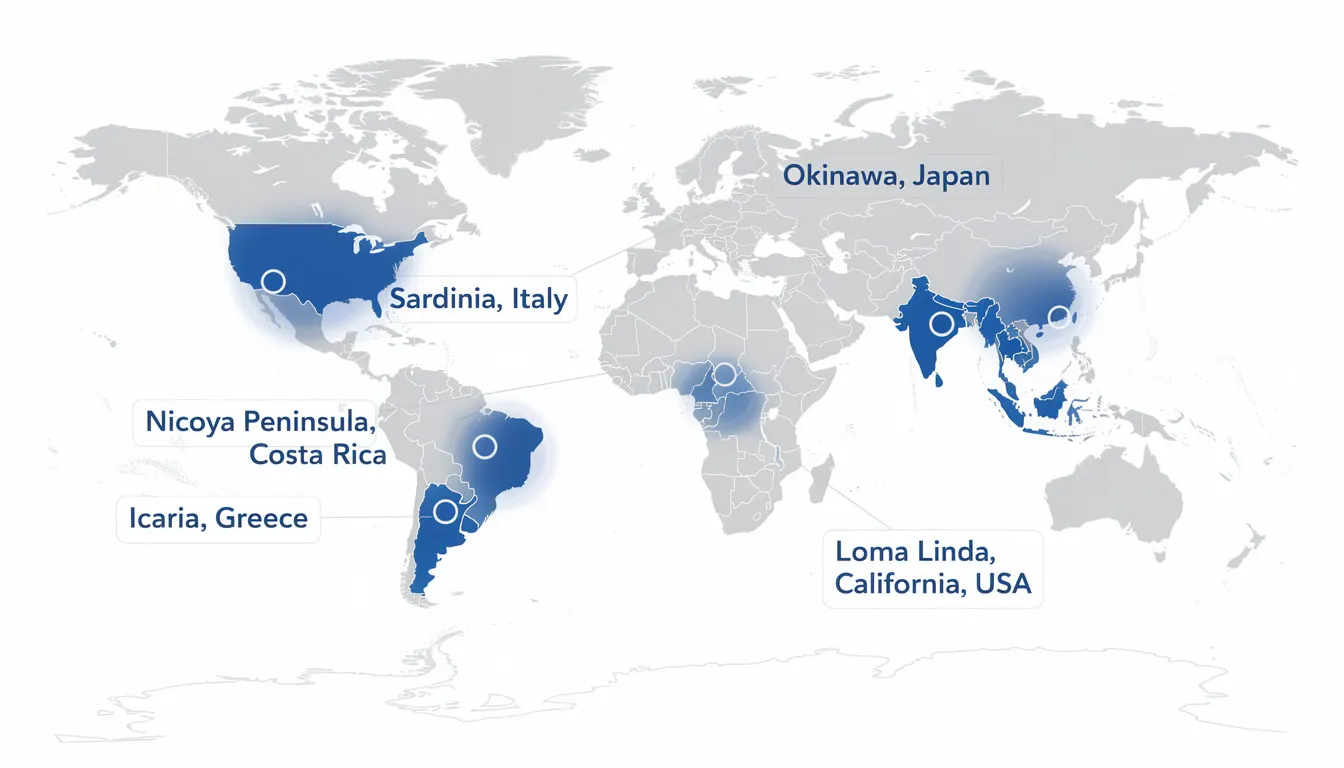
These special regions, known as blue zones, include Okinawa, Japan; Sardinia, Italy; Ikaria, Greece; the Nicoya Peninsula in Costa Rica; and Loma Linda, California. In each of these places, researchers found that people live into their 90s and 100s with relatively low rates of age-related chronic diseases. The longevity in these regions is demonstrated by people who've lived exceptionally long lives, providing real-life examples and concrete proof of the effectiveness of blue zones lifestyle habits. The common thread weaving through all five regions? Deep, meaningful relationships and a strong sense of belonging.
This article explores how relationships, community, and social bonds in blue zones support extraordinary longevity, drawing on research from Dan Buettner, National Geographic, and peer-reviewed studies. At Vitruvin, we focus on evidence-based longevity strategies that include nutrition, responsible supplementation, and behavioral practices. Social connection stands as a foundational pillar that complements these biological and lifestyle approaches—because living a long and healthy life involves much more than what you put in your body.
What Are Blue Zones? A Quick Evidence-Based Overview
The concept of blue zones originated from demographic research in the early 2000s when Belgian demographer Michel Poulain and Italian researcher Gianni Pes identified clusters of exceptional longevity in Sardinia, Italy. They marked these areas with blue ink on their maps—hence the term. National Geographic fellow Dan Buettner then expanded this work, partnering with the National Institute on Aging and other experts to identify five primary regions where people live longer than anywhere else on earth.
Age claims in these regions weren’t taken at face value. Researchers found that rigorous validation was essential, so they cross-checked birth, marriage, and death records, church documents, military rolls, and genealogical reconstructions. As recently as December 2025, peer-reviewed confirmation in The Gerontologist by Steven N. Austad and Giovanni Mario Pes independently affirmed the scientific validity of this data.
Here’s a quick look at each region and what makes their social practices stand out:
Okinawa, Japan – Known for moai groups (lifelong social circles) and the concept of ikigai (sense of purpose)
Sardinia, Italy – Multi-generational extended families with elders holding honored roles in daily life
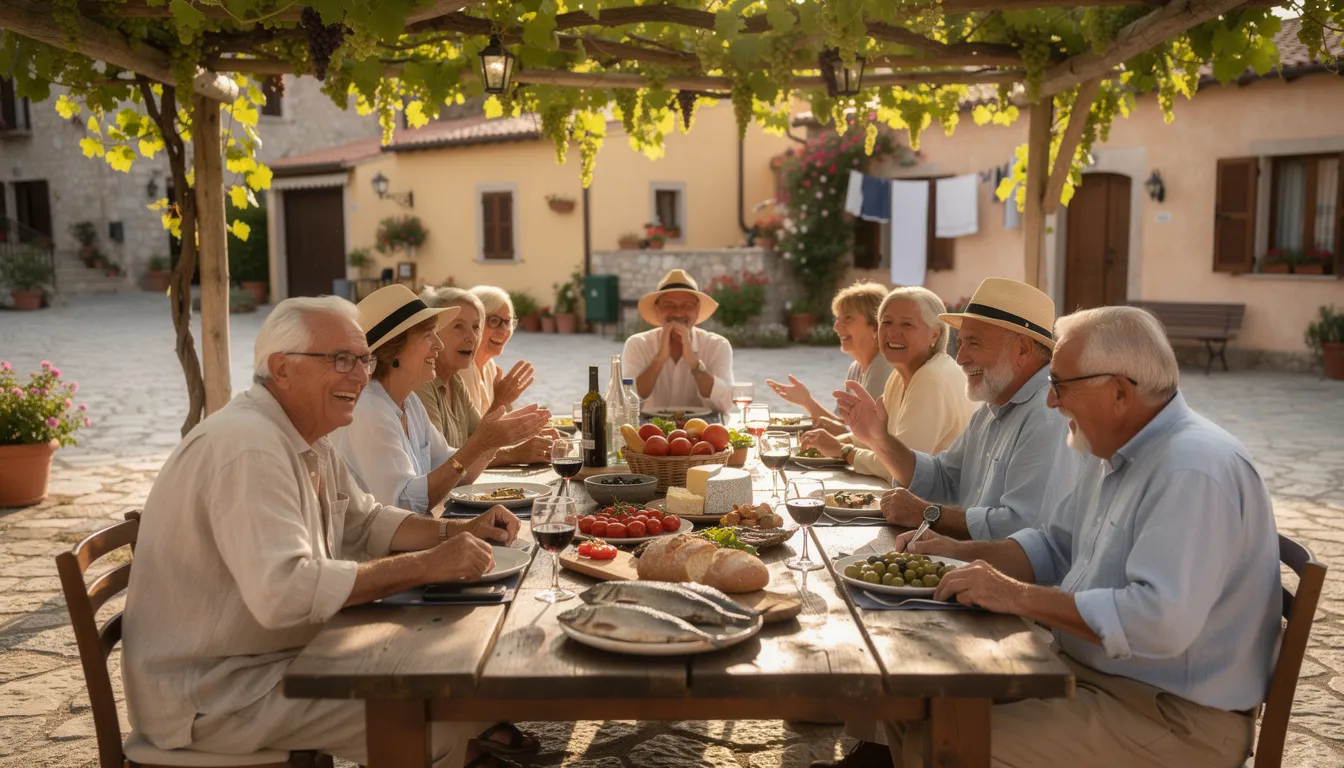
Ikaria, Greece – Unhurried lifestyle with frequent village gatherings, late dinners, and neighborly visits
Nicoya, Costa Rica – Strong family units, active faith communities, and the concept of “plan de vida”
Loma Linda, California – Home to Seventh Day Adventists with tight-knit congregations and shared healthy norms
Research consistently shows that genetics explain only about 20-25% of lifespan variability. The remaining majority comes from lifestyle factors and social environment—elements that every one of us can influence in our own life.
Understanding Life Expectancy: What the Numbers Really Mean
Understanding life expectancy is key to appreciating the remarkable achievements of Blue Zones communities. Life expectancy refers to the average number of years a person can expect to live, based on current mortality rates within a population. In Blue Zones, this number is not only higher than the global average, but it also reflects a life filled with vitality and purpose. Blue Zones centenarians routinely surpass age 90 and even 100, while maintaining lower rates of chronic diseases such as cardiovascular disease and heart disease.
What sets these populations apart isn’t just their longevity, but the quality of those extra years. Blue Zones principles—like prioritizing strong social connections, engaging in regular low intensity physical activity, and following a plant-based diet—contribute to both a longer and healthier life. Numerous studies have shown that these lifestyle factors, rather than genetics alone, play a significant role in increasing life expectancy and reducing the risk of chronic diseases. By embracing these habits, anyone can take meaningful steps toward a healthier life, echoing the success of Blue Zones centenarians around the world.
The Social Fabric of Blue Zones: How Relationships Protect Health
Social connection appears repeatedly among the blue zones principles known as the “Power 9”—specifically in concepts like “Belong,” “Loved Ones First,” and “Right Tribe.” These aren’t abstract ideas; they represent observable patterns in how people in blue zones structure their daily life around relationships and community.
Large observational studies support what blue zones research discovered on the ground. Work by Julianne Holt-Lunstad and colleagues, published in PLOS Medicine (2010) and Perspectives on Psychological Science (2015), found that individuals with strong social relationships have a significantly lower risk of all-cause mortality—on par with many well-known lifestyle factors like physical activity and not smoking. Some researchers found that social isolation carries health risks comparable to smoking 15 cigarettes daily.
In blue zones communities, connection isn’t scheduled into spare moments—it’s woven into everyday life through:
Daily Practice |
How It Builds Connection |
|---|---|
Shared meals |
Multiple generations eating together, unhurried conversations |
Communal celebrations |
Village festivals, religious gatherings, seasonal events |
Walking groups |
Low intensity physical activity combined with companionship |
Faith-based gatherings |
Weekly services creating predictable social rhythms |
Multi-generational homes |
Daily interaction between aging parents, children, and grandchildren |
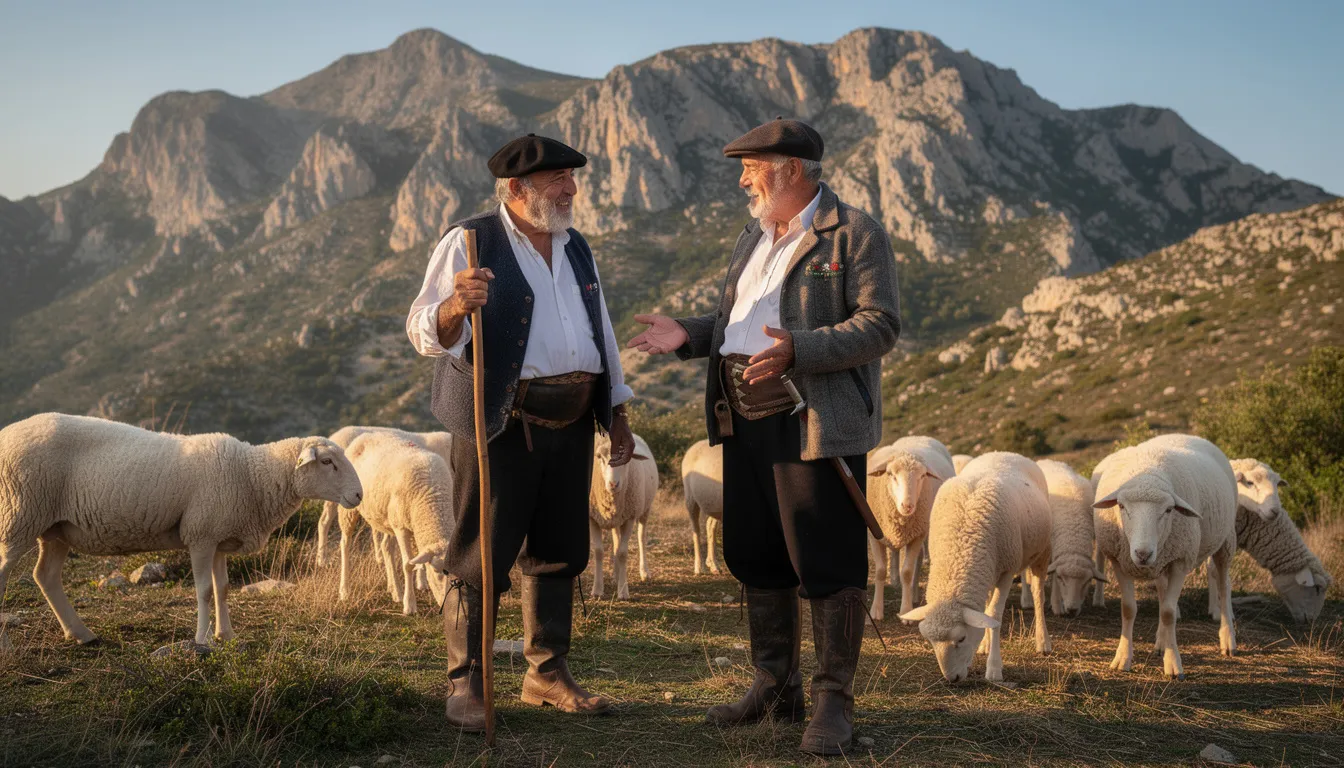
The takeaway here is straightforward: cultivating supportive social networks is a practical lever most readers can work on, independent of location or good genes.
Key Social Lessons from Each Blue Zone
Each blue zone has developed its own traditions and common practices around social connection. While the specifics differ based on culture and geography, the underlying patterns share remarkable similarities. Let’s explore what each region teaches us about building relationships that support healthier lives.
Okinawa, Japan: Moai and Ikigai
Okinawa has one of the highest concentration of centenarians in the world, with Okinawan women historically achieving some of the highest documented centenarian rates. Two social practices stand out in this region: moai and ikigai.
A moai is a lifelong social group—often formed in childhood—that meets regularly for mutual support, shared meals, and conversation. Members commit to showing up for each other through life’s challenges and celebrations. Research indicates that moai members show 20-30% lower chronic disease rates compared to those without such tight social circles.
Ikigai translates roughly to “reason for being.” It represents the intersection of what you love, what you’re good at, what the world needs, and how you contribute to your community. Having a clear role and purpose within a community is linked in observational research to better emotional well being and lower mortality risk.
How to adapt this lesson:
Create or join a small, recurring group with 4-6 people
Meet weekly or bi-weekly with explicit commitment to show up
Focus on mutual support, not just socializing—check in on each other’s lives
Sardinia, Italy: Multi-Generational Clans and Daily Fellowship
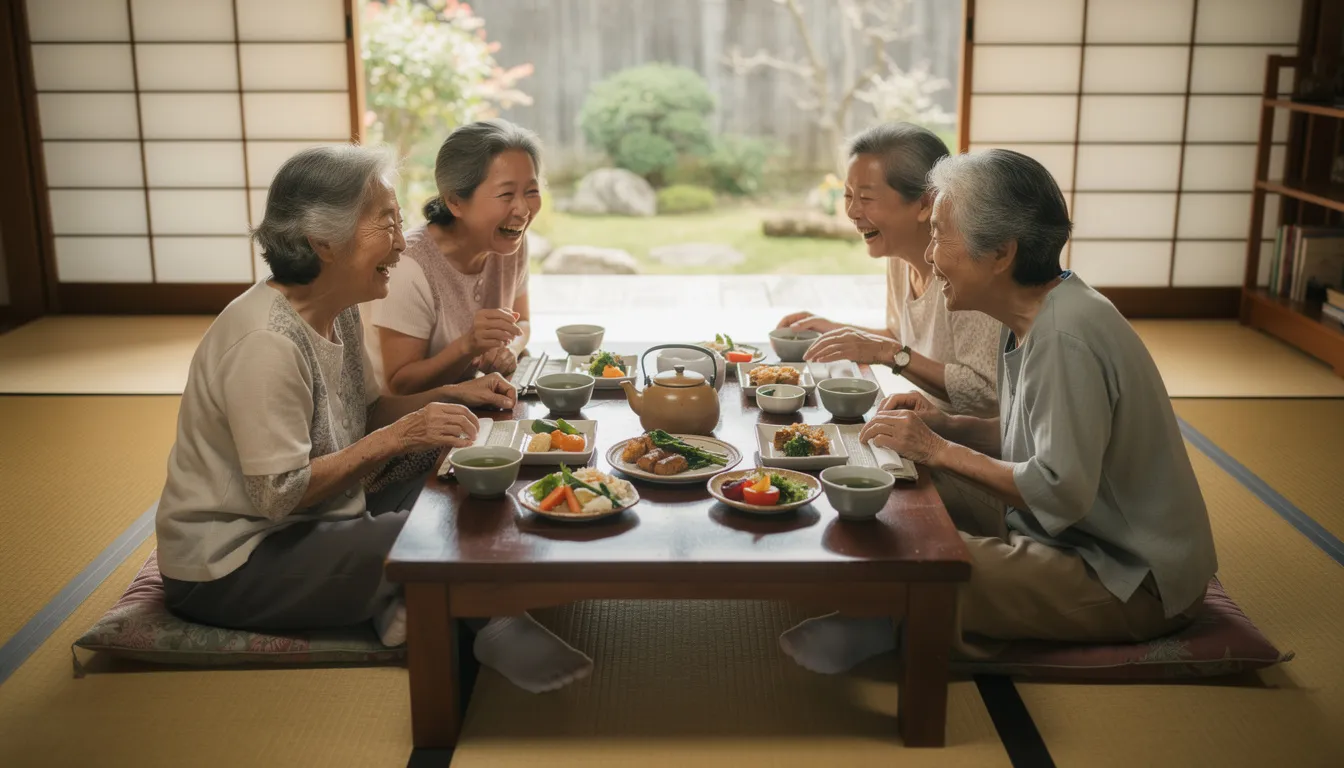
Certain mountain villages in Sardinia’s Nuoro and Ogliastra provinces have unusually high concentrations of male centenarians—a demographic pattern that caught researchers’ attention. The research by Michel Poulain and Gianni Pes in the early 2000s showed that a person born in designated blue zone villages has roughly double the probability of reaching 100 compared to other Sardinians.
What explains this? Strong family ties are central. Older adults often live close to children and grandchildren, holding honored roles in storytelling, childcare, and family decision-making. Elders aren’t marginalized—they’re essential.
Daily life in these villages features frequent, casual interactions:
Talking in village squares throughout the day
Sharing red wine at the end of the day (in moderate amounts)
Walking to neighbors’ homes rather than driving
Participating in village festivals and family celebrations
How to adapt this lesson:
Design your days to “bump into people on purpose”
Visit the same café, sit in communal spaces, know your neighbors’ names
Prioritize family dinners 5+ nights weekly when possible
Give elders meaningful roles rather than passive observer status
Ikaria, Greece: Slow Living, Shared Time, and Late-Night Socializing
Ikaria, Greece has been called “the island where people forget to die,” due to high proportions of people who’ve lived beyond 90. The region gained attention through National Geographic features and subsequent research showing that approximately 80% of centenarians there live in dense family clusters with daily communal meals.
The Ikarian approach to life emphasizes unhurried, face-to-face time:
Long, late dinners that stretch for hours
Village festivals called panigyria with dancing and community feasting
Regular visits between neighbors without formal invitations
Shared gardening and olive oil harvesting that brings generations together
This social rhythm correlates with 4-7 year life expectancy gains in observational studies, along with lower reported rates of depression and more consistent daily movement. The mediterranean diet plays a role here too—plant based foods, olive oil, whole grains—but it’s eaten together, slowly, as a social experience.
How to adapt this lesson:
Schedule tech-free shared meals multiple times per week
Keep meals unhurried—put away phones, extend conversation
Embrace “slow living” principles in your built environment
Consider reducing processed foods in favor of simple, home-cooked meals shared with others
Nicoya Peninsula, Costa Rica: Faith, Family, and Community Support
In Nicoya, Costa Rica, centenarian rates run 2-3 times higher than Costa Rican averages. Nicoyans maintain strong family units with frequent intergenerational contact—grandparents help with childcare while younger relatives support elders with daily needs.
The concept of “plan de vida” (life plan) is central to Nicoyan culture. It represents having productive roles in family and community well into older age—a sense of purpose that keeps people engaged and valued. Many Nicoyans are also active in local churches and community events, providing social support and shared values.
Cultural practices like “respecto”—honoring elders and inverting typical power dynamics—yield mental health benefits, with research noting significantly lower depression rates in communities practicing these traditions.
How to adapt this lesson:
Maintain roles of contribution as you age
Engage in volunteer work, mentoring, or community gardening
Stay connected to faith based community if that aligns with your values
Create situations where multiple generations interact regularly
Loma Linda, California: Faith-Based Community and Healthy Norms
Loma Linda is home to a large population of Seventh Day Adventists who have been studied in the Adventist Health Studies since the 1960s. Researchers found that this community enjoys 8-10 extra years of life expectancy compared to the U.S. average, with lower rates of cardiovascular disease and certain chronic diseases.
What sets this community apart? Weekly Sabbath observance from Friday sundown to Saturday sundown encourages:
Rest from work and technology
Protected family time
Nature walks and outdoor activities
Focus on in-person connection
Shared norms within the community reinforce healthy behaviors. The emphasis on plant based diets (sometimes called plant slant), low smoking rates, and volunteer work creates an environment where the healthy choice becomes the easy choice. People live longer partly because their social circle supports and expects healthy behaviors.
How to adapt this lesson:
Consider adopting a weekly “digital sabbath” or protected community day
Join groups that share health-supportive values
Recognize that your “Right Tribe” influences your habits significantly
Create regular rhythms of rest that include social connection
Creating a Supportive Environment for Lasting Social Health
A supportive environment is a cornerstone of the Blue Zones lifestyle, and it’s a key factor in achieving lasting social health. In places like Nicoya, Costa Rica and Okinawa, Japan, residents thrive within close-knit communities where strong social networks are woven into the fabric of everyday life. Whether it’s through faith-based community gatherings, volunteer work, or simply spending time with family and friends, these connections foster a deep sense of belonging and emotional well being.
The health benefits of such supportive social networks are profound. Research shows that people who maintain strong social connections experience reduced stress, improved emotional well-being, and a lower risk of chronic diseases. To bring these Blue Zones principles into your own life, consider joining a local community group, participating in volunteer work, or making time for regular gatherings with loved ones. By prioritizing these relationships, you can create an environment that supports your well being and helps you enjoy a longer, healthier life—just like the residents of Nicoya Costa Rica and Okinawa Japan.
The Science of Social Connection and Longevity
The observational patterns from blue zones align with broader scientific research on how strong social connections affect health outcomes. Large meta-analyses have found that individuals with stronger social relationships have a significantly lower risk of dying over follow-up periods compared with those who are socially isolated.
Proposed pathways explaining this connection include:
Mechanism |
How It May Support Longevity |
|---|---|
Stress buffering |
Friends and family help reduce stress through emotional support |
Hormone regulation |
Positive social interactions are associated with oxytocin release and lower cortisol |
Behavior reinforcement |
Supportive social networks encourage healthy behaviors and discourage harmful ones |
Sleep quality |
People with strong social ties often report better sleep patterns |
Emergency support |
Connected individuals get help faster during health crises |
Research has linked loneliness and social isolation with higher risks of heart disease, cognitive decline, and earlier mortality. One widely cited comparison suggests that chronic loneliness carries health risks similar to smoking—a significant impact that public health researchers are taking increasingly seriously.
It’s important to note that these findings come from observational studies, meaning they show correlations rather than proving direct causation. Cultural differences also matter—what works in Ikaria may not translate perfectly to Fort Worth or other Western contexts. Not everyone benefits from the same type or amount of social interaction, and individual needs vary considerably.
Practical Ways to Build Blue Zone–Style Social Connections Anywhere
You don’t have to move to Okinawa Japan Sardinia Italy or anywhere else to benefit from similar patterns. Small, consistent steps in your existing environment can create meaningful change in your life radius over time.
Here are high-level strategies organized by category:
Create a Core Circle
Identify 4-6 people for a recurring gathering (walking group, dinner club, book club)
Commit to regular meeting times—weekly or bi-weekly works best
Focus on mutual support, not just entertainment
Design Your Environment for Encounter
Use “anchor activities” like visiting the same grocery stores, coffee shop, or park
Choose walkable neighborhoods when possible
Sit in communal spaces rather than isolated ones
Protect Shared Rituals
Establish weekly family dinners or friend gatherings
Create tech-free zones during meals
Celebrate small occasions together—don’t wait for major holidays
Align with Supportive Norms
Join local groups aligned with your interests (faith, sports, arts, volunteering)
Seek out communities where healthy behaviors are normalized
Consider your “Right Tribe”—the people who influence your daily habits
Special considerations:
For introverts: seek smaller groups with lower-pressure formats
For remote workers: prioritize at least occasional in-person meetups
For those living alone: join structured activities that create predictable social contact
Overcoming Challenges to Social Connection in Modern Life
Modern life can make it challenging to maintain the strong social networks that are so characteristic of Blue Zones. Urban living, busy schedules, and the rise of processed foods and sedentary habits can all contribute to a sense of isolation. However, there are practical ways to overcome these barriers and cultivate the kind of supportive environment that leads to a long and healthy life.
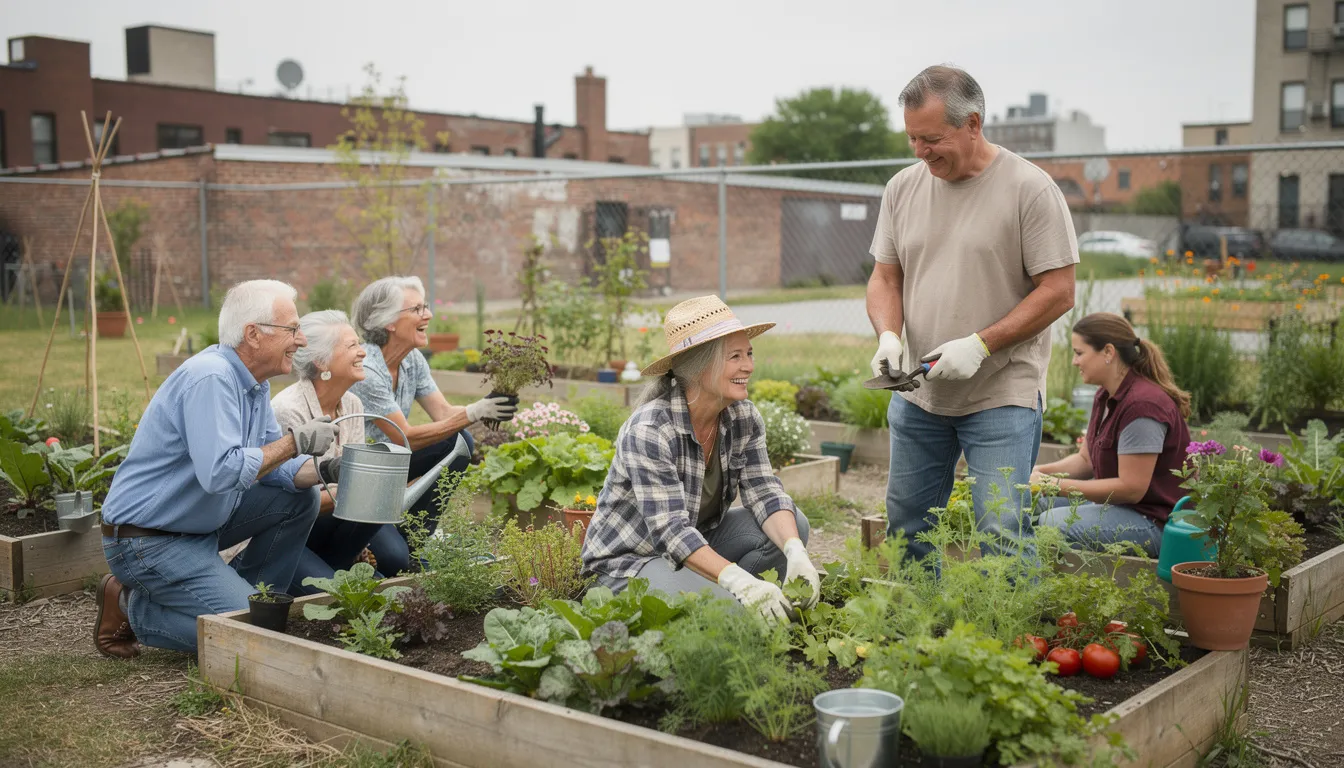
Choosing to live in walkable neighborhoods, participating in community gardens, or joining local clubs can help foster meaningful connections. Even something as simple as sharing meals based on the Mediterranean diet—rich in whole grains, olive oil, and plant-based foods—can create opportunities for social interaction and shared experiences. By making intentional choices to prioritize social connection and community engagement, you can build strong social networks that support your health and well-being, counteracting the isolating effects of modern life and aligning your habits with those found in Blue Zones around the world.
Integrating Social Health with Nutrition, Movement, and Longevity Practices
In blue zones, social connection isn’t separate from other healthy behaviors—they’re intertwined. People eat together, which naturally limits calorie intake and reduces reliance on processed foods. They move naturally together through manual labor, walking, and daily activities. They support each other’s healthy norms through shared expectations and gentle accountability. Importantly, many blue zone communities achieve lasting benefits by making semi-permanent changes to their environments and routines—such as regular shared meals or scheduled group walks—ensuring that healthy habits are sustainable over the long term.
Consider how you might combine social and physical elements:
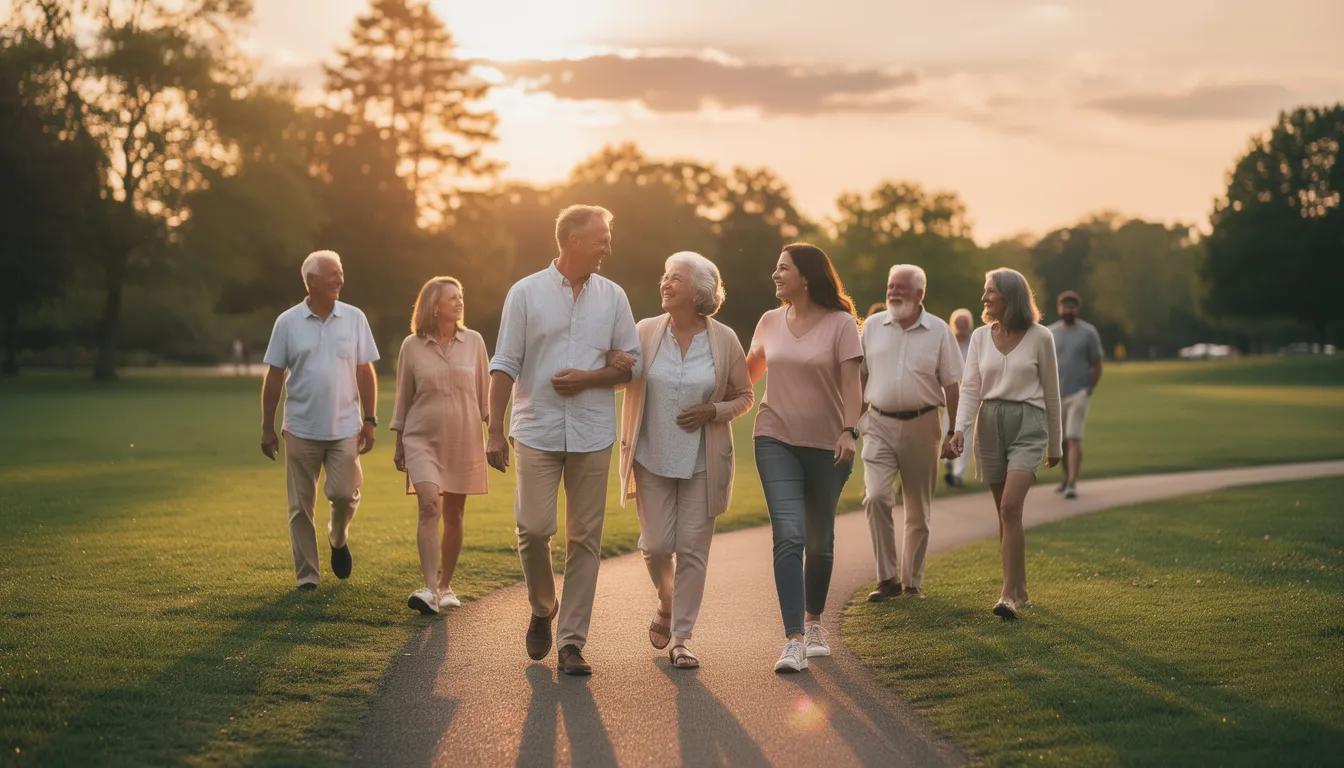
Walking groups that meet regularly (combining move naturally principles with connection)
Group exercise classes or dance nights
Outdoor activities with friends—hiking, gardening, sports
And social plus nutrition:
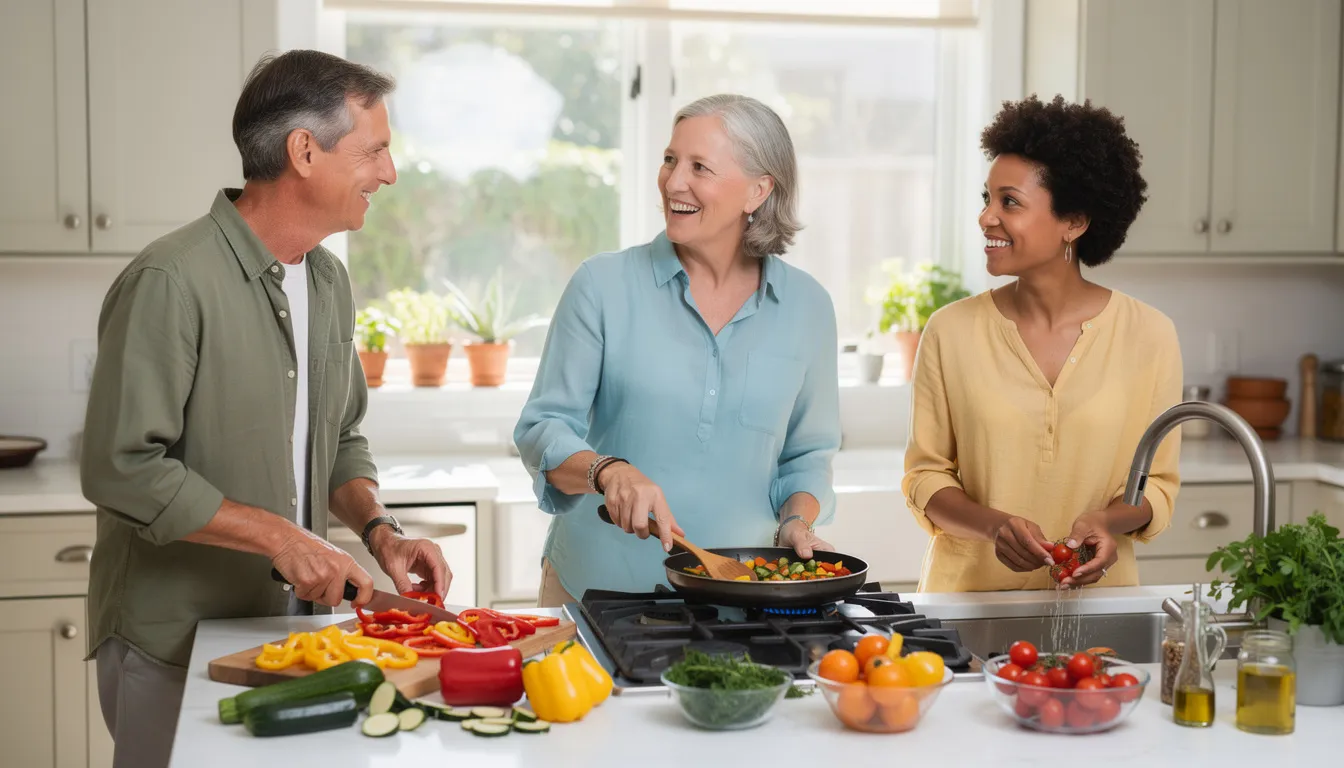
Cooking circles where friends prepare plant based foods together
Potlucks featuring whole grains, vegetables, and dishes inspired by the mediterranean diet
Happy hour alternatives focused on connection rather than excessive alcohol
Some individuals also pay attention to nutrients and supplements that support aspects of healthy aging—cellular energy, cognitive function, metabolic health. These approaches work best as part of an overall lifestyle that includes strong social connections, not in isolation. From Vitruvin’s perspective, social connection serves as a foundational pillar that complements evidence-based dietary patterns, physical activity, quality sleep, and responsible supplementation.
Making Informed Choices for Your Longevity Journey
Embarking on a longevity journey inspired by Blue Zones starts with making informed choices. With a wealth of research and numerous studies supporting the health benefits of Blue Zones principles, individuals can confidently adopt habits that promote a longer, healthier life. Begin by setting small, achievable goals—such as adding more plant-based foods to your meals, increasing physical activity through manual labor or low-intensity exercise, or incorporating stress-reducing rituals like meditation or a regular happy hour with friends.
Understanding the impact of lifestyle factors—like calorie intake, diet composition, and the strength of your social connections—empowers you to make decisions that support your longevity goals. Resources such as National Geographic, the National Institute, and the Blue Zones Project offer valuable guidance and inspiration. By embracing these evidence-based practices, you can increase your life expectancy, lower your risk of chronic diseases, and enjoy the health benefits that come from living in alignment with Blue Zones principles. Remember, every informed choice brings you one step closer to a vibrant, fulfilling life.
Caveats, Individual Differences, and How to Start Safely
While population-level research from blue zones and other cohorts is compelling, individual needs vary based on personality, mental health history, physical limitations, cultural background, and life stage. What works for an extroverted community organizer may feel overwhelming for someone with social anxiety.
Important considerations:
If you struggle with severe loneliness, social anxiety, or depression, consider speaking with a qualified mental health professional before pushing yourself into demanding social situations
Building new relationships takes time—often months or years—so set realistic expectations
Starting small (regular chats with neighbors, joining a single group) is more sustainable than overhauling your entire social life overnight
This article provides general educational information, not medical or psychological advice. Readers should discuss significant lifestyle changes with their healthcare providers, especially if they have existing health conditions. The blue zones project and related research offer valuable insights, but applying them requires adapting principles to your own circumstances.
Conclusion: Bringing Blue Zone Social Wisdom Into Your Daily Life
Across diverse blue zones—from the mountain villages of Sardinia to the Adventist communities of Loma Linda California, from Nicoya Costa Rica to Ikaria Greece and Okinawa Japan—deep social ties, a sense of belonging, and meaningful roles in community consistently appear alongside plant-forward eating and natural movement. Blue zones centenarians didn’t achieve their extraordinary longevity through isolation or individual optimization alone. They lived embedded in supportive social networks that gave their days structure, purpose, and joy.
The world’s longest lived people show us that our relationships may be among our most powerful longevity tools. The health benefits of strong social connections rival those of numerous studies on diet and exercise. You can begin with one or two simple steps this week—a weekly shared meal, a walking partner, joining a local group, or reconnecting with aging parents and extended family. Build from there.
Longevity isn’t just about adding years to your life. It’s about adding connection, purpose, and shared experiences to those years. The blue zones lifestyle teaches us that we don’t have to pursue a long life alone—in fact, we probably shouldn’t.


Comments