
The Curcumin Revolution: Fighting Diseases Naturally


For thousands of years, turmeric has been a staple in kitchens across Asian countries, lending its distinctive yellow color to curry powders and traditional dishes. But over the past few decades, something remarkable has happened: the active compound responsible for turmeric’s vibrant hue—curcumin—has become one of the most intensely studied natural substances in modern health science. With more than 19,000 scientific papers indexed on PubMed and over 400 clinical trials completed, curcumin has captured the attention of researchers exploring natural approaches to supporting healthy inflammation balance, oxidative stress management, and overall longevity.
At Vitruvin, we focus on evidence-based, longevity-oriented nutrition. This article summarizes what current science actually supports about curcumin—in accessible language, without exaggerated claims. We’ll cover what curcumin is, how it works in the body, key areas of research including joints, brain, metabolism, and heart health, how to use it safely through diet and dietary supplements, and how to have productive conversations with your healthcare provider.
Introduction to Curcumin
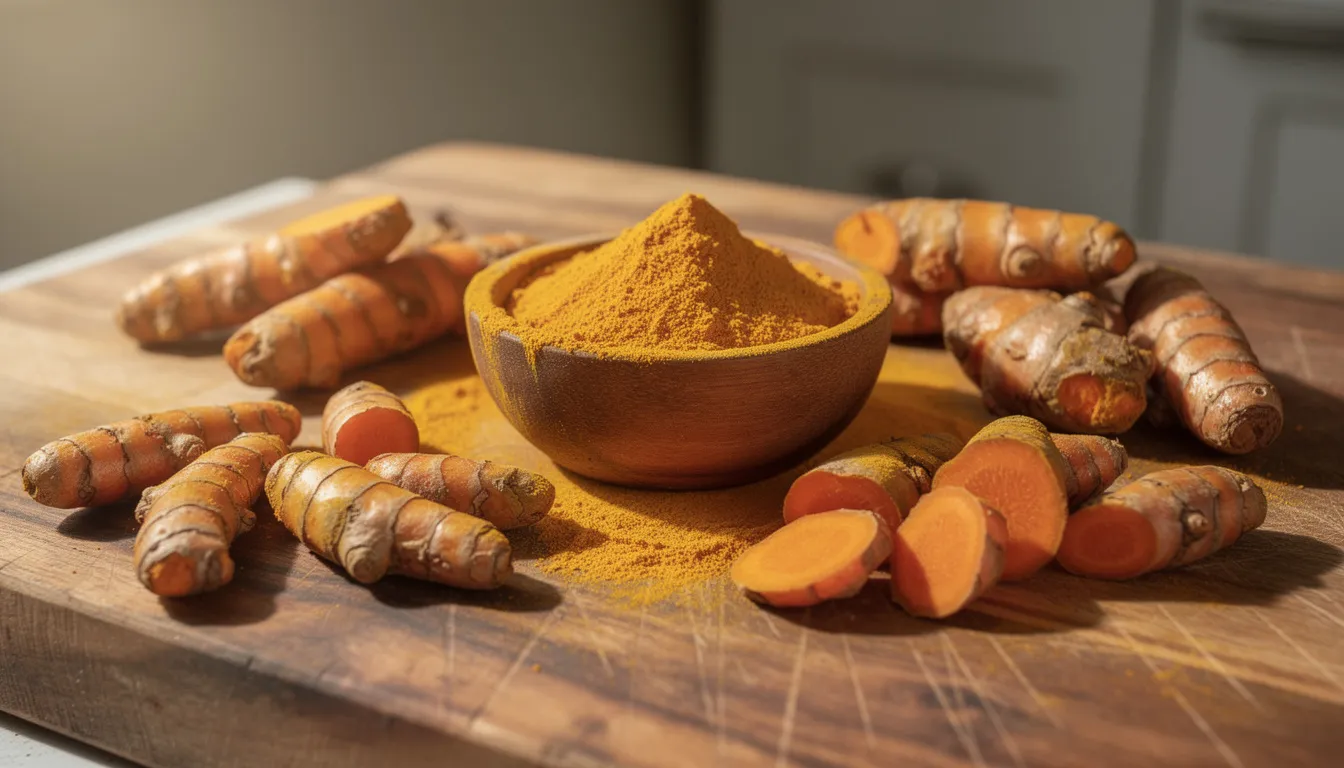
Curcumin is the biologically active compound that gives turmeric its signature yellow color and much of its reputation for health benefits. Found in the underground stems of the Curcuma longa plant—a member of the ginger family—curcumin has been used for centuries in Asian countries, not only as a flavorful spice but also for medicinal purposes. Traditional practices have long valued turmeric for its ability to address pain, inflammation, and a variety of health issues.
Today, curcumin supplements are gaining popularity among those seeking natural ways to support their health. Research suggests that curcumin’s antioxidant properties may help reduce inflammation, support the immune system, and ease joint pain, making it a promising option for people with chronic diseases such as rheumatoid arthritis. Scientists are also exploring curcumin supplementation for its potential health benefits in conditions like Alzheimer’s disease and colorectal cancer, thanks to its ability to modulate inflammation and oxidative stress.
Despite these encouraging findings, it’s important to recognize that more research is needed to fully understand the therapeutic effects of curcumin, the optimal recommended dose for different health conditions, and how best to use it as part of a comprehensive wellness plan. As an active compound, curcumin’s benefits are most pronounced when used thoughtfully—whether through dietary sources like turmeric or as part of a supplement regimen tailored to your individual needs.
Turmeric vs. Curcumin: Getting the Basics Right
One of the most common sources of confusion in the wellness space is the difference between turmeric and curcumin. Understanding this distinction matters significantly when you’re reading research papers, scanning supplement labels, or trying to maximize turmeric benefits.
Turmeric is the whole root—technically a rhizome—of the Curcuma longa plant, a member of the ginger family. It has been cultivated in India, Southeast Asia, and China for over 4,000 years, used both as a common ingredient in cooking and for medicinal purposes in Ayurvedic and traditional Chinese medicine. The underground stems are harvested, dried, and ground into the familiar turmeric powder found in spice racks worldwide.
Curcumin, on the other hand, is one of several “curcuminoids”—the biologically active polyphenols found within turmeric. It’s the primary compound responsible for turmeric’s bright yellow pigment and many of its studied biological effects. Here’s where the numbers become important:
Form |
Curcumin Content |
|---|---|
Typical turmeric powder |
2–5% curcuminoids by weight |
Standardized curcumin extract |
95% curcuminoids |
Fresh turmeric root |
~3% curcuminoids |
When research articles refer to “curcumin” or “curcuminoids,” they usually mean concentrated extracts—not the culinary spice you’d sprinkle into a curry. This distinction is crucial for understanding both the potential benefits and the appropriate doses discussed in scientific literature.
How Curcumin Works in the Body: Inflammation, Oxidative Stress, and Beyond
Unlike many pharmaceutical drugs that target a single receptor or pathway, curcumin appears to interact with multiple cell signaling systems simultaneously. Scientists describe it as a “pleiotropic” molecule—meaning it exerts diverse effects through numerous mechanisms rather than one specific target.
At the cellular level, chronic low-grade inflammation and oxidative stress are linked in research to many age-related health issues. These two processes often feed into each other: inflammation generates free radicals, and oxidative damage can trigger more inflammation. Curcumin is being studied as a way to help maintain healthier inflammatory and antioxidant balance.
The NF-κB Connection
One of curcumin’s most studied mechanisms involves nuclear factor kappa B (NF-κB), often described as a master “switch” for inflammatory genes. When activated, NF-κB moves into the cell nucleus and turns on genes that produce pro-inflammatory cytokines like TNF-α, IL-6, and IL-1β.
Cell and animal studies suggest curcumin can modulate NF-κB signaling by preventing its translocation to the nucleus. In laboratory experiments using immune cells called macrophages, curcumin at various concentrations dose-dependently reduced inflammatory responses. However, it’s important to emphasize that human confirmation of these mechanisms is still emerging.
Antioxidant Properties
Curcumin’s antioxidant properties work through multiple channels:
Direct neutralization: In laboratory settings, curcumin can directly neutralize free radicals
Upregulation of defenses: Preclinical research suggests curcumin may activate the Nrf2 pathway, which controls the body’s own antioxidant enzymes
Enzyme modulation: Studies in metabolic syndrome patients showed curcumin supplementation increased superoxide dismutase (SOD) activity while reducing markers of oxidative damage
Beyond inflammation and oxidation, curcumin also appears to interact with enzymes and signaling molecules involved in cell survival, apoptosis (programmed cell death), and mitochondrial function. This remains an active research area with many questions still unanswered.
Curcumin’s Bioavailability Problem – and the New Generation of Formulations
Here’s the central challenge with curcumin: it’s fat soluble and poorly absorbed when taken orally in its standard form. The compound is rapidly metabolized in the liver through glucuronidation and sulfation, then quickly eliminated from the body.
Human pharmacokinetic studies paint a sobering picture: after oral intake of standard curcumin powder, plasma levels are often very low—below 1 μg/mL even at high doses up to 12 grams per day. Most circulating compounds turn out to be metabolites like curcumin glucuronides and sulfates rather than free curcumin itself.
Interestingly, some research found higher local concentrations in gut tissue than in systemic circulation, which may explain why applications related to the gastrointestinal tract are of particular interest.
Strategies to Enhance Curcumin Absorption
Several approaches have been developed to address the bioavailability challenge:
Piperine co-administration: Black pepper extract contains piperine, which inhibits glucuronidase enzymes in the liver. Human studies have shown piperine can increase curcumin levels in the blood by up to 2,000%—a remarkable enhancement from a simple dietary addition.
Advanced delivery systems: Modern formulations include:
Liposomal curcumin (encased in fat-based vesicles)
Phytosomal/phospholipid complexes
Micellar preparations
Nanoparticle formulations
Fat pairing: Because curcumin is fat soluble, consuming it with dietary fats like olive oil, coconut milk, or avocado may support absorption.
Enhancement Method |
Approximate Absorption Increase |
|---|---|
Standard powder alone |
Baseline (low) |
With piperine/black pepper |
Up to 2,000% |
Phospholipid complex |
29x (some studies) |
Micellar formulation |
Variable, often 10-40x |
Important caution: Higher absorption does not automatically mean “better” or safer. Enhanced bioavailability may also alter side-effect profiles. Users should stay within studied doses and work with a clinician, especially when combining curcumin with other medications.
Black Pepper and Curcumin: The Synergy That Changes Everything
One of the most fascinating discoveries in curcumin research is how its effectiveness can be dramatically enhanced by pairing it with black pepper extract. Curcumin, while powerful, is fat soluble and naturally has poor absorption in the body when taken alone. This means that even high doses of curcumin supplements may not deliver the full therapeutic effects unless absorption is improved.
Enter black pepper extract, specifically its active component piperine—a common ingredient now found in many curcumin supplements. Piperine has been shown to increase the bioavailability of curcumin by up to 2,000%, making it a game-changer for anyone seeking the anti-inflammatory properties and positive effects of curcumin. This synergy is especially important for those looking to reduce inflammation, joint pain, and morning stiffness, as seen in conditions like arthritis.
The enhanced absorption provided by black pepper extract doesn’t just support joint health; it may also amplify curcumin’s potential benefits for heart disease, diabetes, and other chronic health issues. By improving curcumin’s uptake, black pepper helps unlock its full anti-inflammatory and antioxidant potential, supporting the immune system and overall well-being.
However, this powerful combination also means that curcumin supplements can interact more strongly with other medications, especially blood thinners. If you are taking blood thinners or have other health conditions, it’s essential to consult with your healthcare professional before starting curcumin supplements with black pepper extract. This helps avoid adverse effects and ensures that your supplement routine is both safe and effective for your unique health needs.
By understanding and leveraging the synergy between curcumin and black pepper, you can make more informed choices about supplements and maximize the health benefits of this ancient, yet scientifically validated, natural remedy.
Key Areas of Research: Where Curcumin Shows the Most Promise
Before diving into specific applications, some context is essential. Most evidence for curcumin comes from cell and animal studies. Curcumin has been studied for its potential anticancer properties, affecting cancer growth and development. Animal studies have shown promising results in inhibiting tumor development, and curcumin has been found to inhibit the development of chemically-induced cancer in animal models. However, while human trials are increasing—over 400 have been conducted—they are often small, short-term, and use different formulations and doses, making direct comparisons difficult. Human clinical evidence for these anticancer effects is still limited and ongoing.
Curcumin is not an approved medical treatment or cure for any disease. The following sections highlight areas of active investigation where early findings are encouraging but not conclusive. Always discuss any supplement use with your healthcare provider, especially if you have an existing health condition or take medications.
Joints and Musculoskeletal Comfort
Osteoarthritis and general joint discomfort represent some of the most studied human applications of curcumin. Joint pain affects millions of adults worldwide, and many seek natural alternatives to conventional approaches.
What the research shows:
Representative clinical trials from the 2010s compared curcumin extracts (typically 500–1,500 mg per day, sometimes in split doses) with standard care or placebo:
A randomized trial using 500 mg curcuminoids three times daily for 4 weeks showed significant improvements in WOMAC pain, physical function, and morning stiffness scores
Participants also experienced reductions in inflammatory markers including IL-1β and IL-6
Some studies found curcumin comparable to ibuprofen and diclofenac for reducing pain in osteoarthritis
A systematic review and meta-analysis of trials using approximately 1,000 mg/day of standardized extracts for 8-12 weeks confirmed these findings, though researchers noted methodological limitations including small sample sizes and variable formulations.
For rheumatoid arthritis contexts, similar anti-arthritic effects have been observed, primarily through cytokine suppression mechanisms. Curcumin has also been studied for its effects on joint swelling, a key symptom and measure of disease activity in rheumatoid arthritis.
Evidence snapshot:
Typical study duration: 8–12 weeks
Common doses: 500–1,500 mg curcuminoids daily
Limitations: Small samples, variable formulations, inconsistent quality of evidence
Practical insights:
Consider combining dietary turmeric use with lifestyle approaches like weight management, movement, and physical therapy
Always discuss supplement use with a rheumatologist or primary care clinician before starting
Don’t abandon prescribed treatments in favor of supplements alone
Metabolic and Cardiovascular Markers
Curcumin has been studied in adults with metabolic syndrome, type 2 diabetes, and cardiovascular risk factors—mainly as an adjunct to diet and standard medical care, not as a replacement.
Research highlights:
A randomized placebo-controlled trial in 60 adolescent females on a 10-week weight-loss diet showed that 500 mg/day curcumin reduced high-sensitivity CRP (hs-CRP) and IL-6 levels substantially, outperforming diet alone
Broader metabolic syndrome studies report significant reductions in TNF-α, IL-6, TGF-β, and MCP-1 alongside improvements in lipid profiles
Some trials showed drops in LDL-C, non-HDL-C, total cholesterol, triglycerides, and lipoprotein(a), with HDL-C elevations
In diabetes research, studies using dietary curcumin in animal models showed improved insulin sensitivity via TNF reduction and suppression of inflammatory pathways in adipose tissue. However, human data remains limited, and results vary depending on study design, population, and formulation.
Critical considerations:
Individuals with diabetes or those taking blood thinners or cholesterol-lowering medications must consult their clinician before considering curcumin supplements. Potential interactions exist, and adjustments to existing therapies may be necessary.
The foundation of metabolic and heart disease prevention remains:
Mediterranean-style eating patterns
Regular physical activity
Quality sleep
Stress management
Curcumin supplementation, if appropriate, serves only as a possible adjunct to these proven strategies.
Brain, Mood, and Cognitive Health
Researchers are interested in curcumin’s potential to support brain health because it may cross the blood-brain barrier in small amounts and interacts with inflammatory and oxidative pathways implicated in cognitive aging.
Current evidence:
Early human studies from the 2010s and 2020s found curcumin supplementation associated with modest improvements in certain cognitive test scores or mood scales in older adults. However, sample sizes were small and results were not uniform across studies. Curcumin has shown promise in treating mood disorders by boosting brain neurotransmitters serotonin and dopamine, and may help improve symptoms of depression.
Laboratory research has explored curcumin’s interactions with:
Amyloid and tau proteins (relevant to Alzheimer's disease research)
Neurotrophic factors related to neuronal resilience
Curcumin has been studied for its potential effects on brain-derived neurotrophic factor (BDNF), which plays a role in memory and learning. Curcumin may help in delaying or reversing brain diseases and age-related decreases in brain function by increasing BDNF levels. Curcumin has also been shown to cross the blood-brain barrier in animal models, suggesting potential neuroprotective effects.
Inflammatory mediators in brain tissue
Some trials have reported mood improvements comparable to fluoxetine, suggesting possible applications for supporting overall mood and reducing subjective fatigue. Curcumin has shown promise in treating mood disorders and may act as an effective antidepressant. Again, this evidence remains preliminary.
The connection between curcumin and brain health is particularly intriguing given epidemiological observations that populations with high turmeric consumption, like those in India, show different rates of certain cognitive conditions, including Alzheimer's disease, compared to Western populations. Curcumin shows promise in managing Alzheimer's, cancer, diabetes, and liver diseases. However, correlation doesn’t equal causation, and many lifestyle and dietary factors differ between these populations.

Gut and Immune Health
Because orally ingested curcumin tends to concentrate in the digestive tract rather than achieving high systemic levels, the gut has become a major focus of curcumin research.
Preclinical findings suggest curcumin may:
Influence gut barrier integrity
Modulate local inflammatory signaling
Affect the composition of intestinal microbiota
The gut-focused research makes sense given curcumin’s pharmacokinetics—if most of the compound stays in the gastrointestinal tract, that’s where effects might be most pronounced.
Early clinical trials in inflammatory gut conditions have been exploratory, often using curcumin alongside standard therapies. Some report improvements in symptom scores or markers, but methodological limitations prevent strong conclusions.
Regarding the immune system, laboratory research has examined curcumin’s impact on immune cell signaling and cytokine production. The emerging picture frames curcumin as a potential “immune modulator” rather than a simple stimulant or suppressant—helping to maintain balance rather than pushing the system in one direction.
Lifestyle synergies:
Combine turmeric-containing dishes with fiber-rich, plant-focused meals to support overall gut health
Maintain medical oversight for any chronic digestive condition
Consider the gut-brain axis connection when thinking about curcumin’s broader effects
Healthy Aging and Longevity Pathways
Aging involves cumulative damage from oxidative stress, low-grade chronic inflammation (sometimes called “inflammaging”), and cellular senescence. Curcumin is being studied in this broader context of healthy aging.
Preclinical research has shown curcumin can influence:
Sirtuins (proteins associated with longevity and cellular stress response)
AMPK (a cellular energy sensor)
mTOR (involved in cell growth and metabolism)
Nrf2 (the master antioxidant pathway regulator)
Studies in lower organisms—worms, flies, and rodents—have shown lifespan extension with curcumin exposure. However, extrapolating these findings to humans requires significant caution. Human longevity trials would need to span decades, making definitive conclusions impractical with current research methods.
In the longevity and biohacking community, curcumin is often discussed alongside compounds like resveratrol and spermidine as part of broader strategies to support cellular resilience. These combinations remain largely theoretical outside standard nutrition and lifestyle practices.
The realistic perspective:
View curcumin as one potential tool within a larger framework of proven habits:
Nutrient-dense, whole-food diet
Regular physical activity
Quality sleep
Stress management
Avoidance of smoking and excessive alcohol
No single compound—natural or synthetic—replaces these fundamentals. Curcumin may offer complementary support, but it’s not a stand-alone “anti-aging” solution.
Safety, Side Effects, and Interactions: What the Research and Regulators Say
While culinary turmeric is widely used and generally safe, concentrated curcumin supplements require more caution and individualization.
What clinical trials have shown:
Curcumin has been studied in humans at doses up to several grams per day in short-term trials. The safety profiles across more than 400 studies are generally reassuring, with doses up to 8 g/day deemed well-tolerated in most populations.
Common adverse effects at higher doses include:
Nausea
Diarrhea
Upset stomach and abdominal discomfort
Headache (less common)
Emerging safety signals:
Case reports of herb-related liver injury associated with turmeric and curcumin supplements have appeared in medical literature and regulatory alerts in the U.S. and Europe during the 2010s and 2020s. While such events remain relatively rare compared to overall use, they warrant attention—particularly for individuals with pre-existing liver conditions.
Factors that may influence individual risk include:
Genetic differences in liver enzymes
Presence of piperine or other absorption enhancers
Concurrent medications
Pre-existing health conditions
Situations requiring professional guidance:
Situation |
Concern |
|---|---|
Taking blood thinners or antiplatelet drugs |
Potential bleeding disorders risk |
Diabetes medications |
Possible effects on blood glucose |
History of gallbladder disease or bile duct obstruction |
Curcumin may stimulate bile production |
Pregnancy or breastfeeding |
Limited safety data |
Serious liver disease |
Potential hepatotoxicity |
Taking turmeric with other medications |
Possible interactions |
Quality control matters:
Supplement regulation in many countries, including the U.S., is less stringent than for prescription drugs. Curcumin is generally recognized as safe (GRAS) as a food ingredient, but supplements can vary significantly in actual contents and purity.
Look for:
Third-party testing seals (USP, NSF, ConsumerLab)
Certificates of Analysis
Clear labeling of curcuminoid content
Reputable manufacturers with transparent sourcing
Any dosage ranges mentioned in this article are taken from research studies and are not personal medical advice. Individual dosing and duration should be discussed with a qualified healthcare professional.
How to Use Curcumin in Everyday Life: Food First, Supplements Second
The most sustainable approach to incorporating turmeric benefits into your routine starts with food. Regular culinary use of turmeric as part of a whole-food, plant-forward eating pattern provides exposure to curcumin along with the many other beneficial compounds found in whole spices—without the concentrated doses that may carry more risk.
Practical ways to incorporate turmeric into meals:
In savory dishes:
Add ½–1 teaspoon of ground turmeric to lentils, soups, stews, or roasted vegetables
Include turmeric in marinades for tofu, tempeh, or vegetables
Mix into scrambled eggs or tofu scrambles
Blend into homemade salad dressings with olive oil
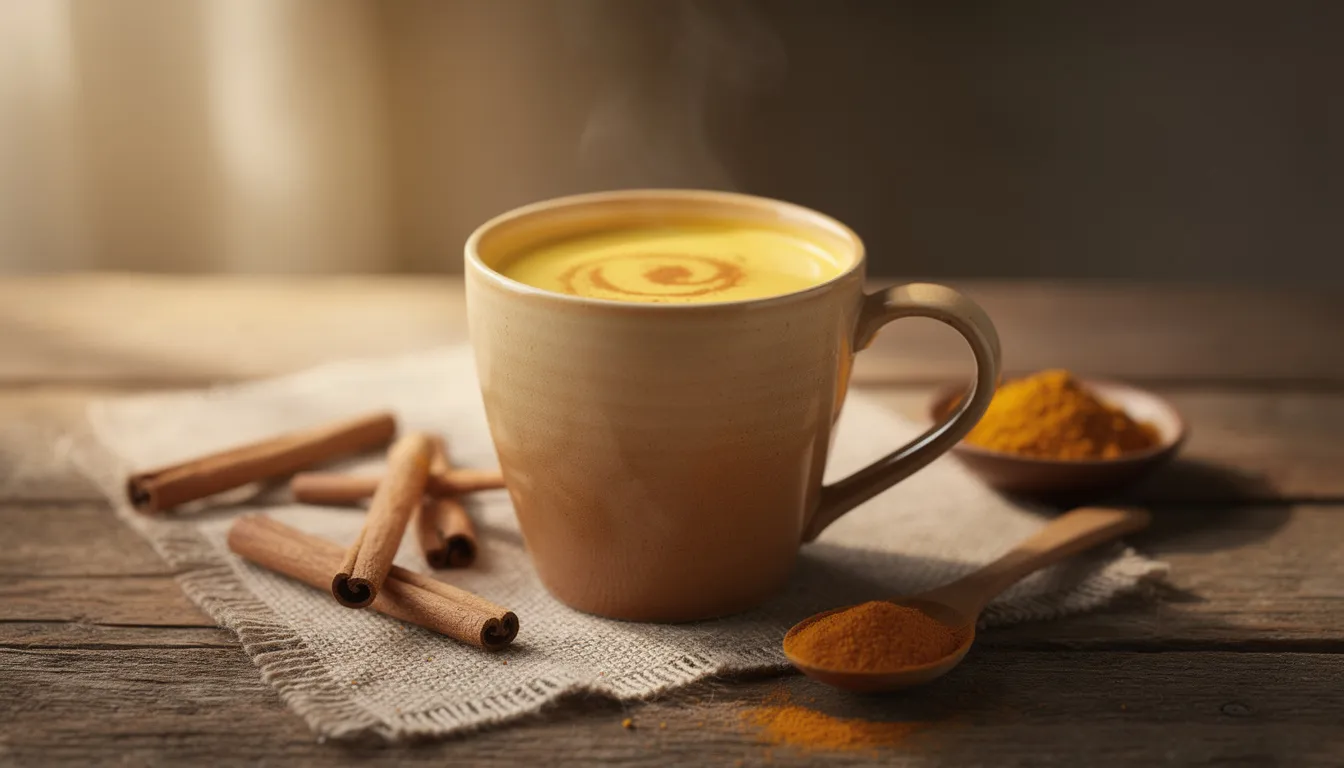
Golden milk (a traditional preparation):
Combine 1 teaspoon turmeric powder with warmed plant-based milk
Add a pinch of black pepper, ginger, and cinnamon
Sweeten lightly with honey or maple syrup if desired
The combination with fat (from milk) and black pepper supports absorption
Fresh turmeric root:
Peel and grate into smoothies
Add to stir-fries in the last few minutes of cooking
Steep in hot water for a simple turmeric tea
Note: Fresh turmeric will stain hands and cutting boards
Enhancing absorption naturally:
Because curcumin is fat soluble, combining turmeric with a small amount of fat may support absorption:
Cook with olive oil or coconut oil
Pair with nuts or avocado
Use full-fat coconut milk in recipes
Adding a pinch of black pepper provides piperine, which can significantly enhance curcumin uptake. This traditional combination found in many curry powder blends turns out to have a sound scientific basis.
Supplement considerations:
If you and your clinician decide curcumin supplements are appropriate:
Typical clinical trial parameters:
Doses: 500–2,000 mg/day of standardized curcumin or curcuminoids
Duration: Often 8–12 weeks in studies
Formulations: Vary widely (standardized extracts, phospholipid complexes, micelles)
Practical approach:
Start low if you’re new to curcumin supplements
Track any changes in digestion, sleep, mood, or other symptoms
Reassess use periodically with your clinician
Don’t take high doses indefinitely without medical oversight
Consider the therapeutic dose used in studies as a reference point, not a mandate
How to Choose a Quality Curcumin Supplement (If You and Your Clinician Decide It’s Appropriate)
Supplement choice meaningfully affects both potential benefits and risks. Not all products are equivalent, and the market includes options ranging from excellent to questionable.
Key label details to examine:
What to Look For |
Why It Matters |
|---|---|
Exact amount of curcuminoids per serving |
“Turmeric root 500mg” tells you little about actual curcumin content |
Type of formulation |
Standard extract, with black pepper extract, phospholipid complex, etc. |
Serving size |
Ensure you understand daily intake if taken as directed |
Standardization |
Look for “standardized to 95% curcuminoids” or similar |
Recommended dose information |
Compare with doses used in clinical research |
Third-party testing importance:
Because turmeric is a root crop, it can accumulate heavy metals or other environmental contaminants. Quality control is especially important for turmeric supplements.
Look for:
Recognizable testing seals (USP, NSF International, ConsumerLab)
Published Certificates of Analysis
Transparent sourcing information
GMP (Good Manufacturing Practice) certification
Red flags to avoid:
Products making aggressive disease-cure claims
Proprietary blends that don’t disclose exact curcuminoid content
Unverified mega-dose products heavily promoted on social media
Prices that seem too good to be true
Vague or missing contact information for the manufacturer
A practical recommendation:
Bring the exact product label (or a clear photo of it) to a healthcare appointment. A clinician or pharmacist can review potential interactions and appropriateness for your individual health status, taking into account your medications, health history, and goals.
Talking with Your Healthcare Professional About Curcumin
Many people experiment with supplements on their own, but open communication with clinicians improves safety and coordination of care. This is especially true for compounds like curcumin that can interact with medications and affect various body systems.
Information to share with your doctor or pharmacist:
All current medications (prescription and over-the-counter)
Existing diagnoses (diabetes, high blood pressure, liver or gallbladder issues, bleeding disorders)
Any past reactions to herbs, spices, or supplements
The exact turmeric or curcumin product and dose you’re considering or currently taking
Questions to ask your clinician:
“Is curcumin likely to interact with my current medications?”
“Given my health history, is there a dose and duration that seems reasonable?”
“Are there specific lab tests or symptoms I should monitor while using it?”
“Should I take breaks from supplementation, or is ongoing use appropriate?”
“Are there any therapeutic effects I should realistically expect versus hope for?”
The bigger picture:
View curcumin as a potential component of a comprehensive plan that includes:
Nutrient-dense diet
Regular movement and exercise
Quality sleep
Stress management
Appropriate medical care
For complex conditions—autoimmune issues, cancer, significant liver disease—specialist input from an oncologist, hepatologist, or rheumatologist is especially important before adding turmeric supplements to your regimen.
More research continues to clarify who benefits most from curcumin and under what circumstances. Staying informed and maintaining dialogue with healthcare providers helps ensure you’re making decisions based on current evidence rather than outdated information or marketing claims.
Conclusion: The Future of the Curcumin Revolution
Curcumin has made a remarkable journey from traditional kitchens in Asian countries to modern research laboratories worldwide. As one of the most intensely studied natural compounds, it represents both the promise and complexity of using plant-derived substances for health support.
Current evidence supports curcumin as a promising adjunct for areas such as joint comfort, metabolic and cardiovascular markers, and general inflammation and oxidative stress balance. However, it is not a replacement for medical treatment, and many questions about optimal dosing, formulation, and long-term effects remain unanswered.
The most reliable strategy today remains a combination of:
A nutrient-dense, plant-forward diet that naturally includes turmeric and other spices
Thoughtful, supervised use of supplementation when appropriate
Core lifestyle pillars that strongly influence healthy aging: movement, sleep, stress management, and social connection
Looking ahead, the next decade of research promises better-designed human trials, improved formulations, and deeper insights into personalized responses. Advanced delivery systems and AI-optimized dosing protocols may eventually clarify precisely who benefits most from curcumin and how it fits into long-term longevity strategies.
The curcumin revolution isn’t about finding a magic bullet—it’s about understanding how traditional wisdom can be validated, refined, and integrated with modern science. Stay informed, discuss new findings with your health professionals, and remember that sustainable, evidence-based habits remain the foundation of natural health.
Whether you’re adding a teaspoon of turmeric to your morning smoothie or discussing curcumin extract with your physician, you’re participating in one of the most fascinating intersections of ancient tradition and contemporary research. The potential health benefits are real and worth exploring—thoughtfully, safely, and with appropriate expectations.
Curcumin and Disease Prevention: What the Science Reveals
Curcumin, the biologically active compound in turmeric, has become a focal point in research on natural disease prevention. Thanks to its potent anti-inflammatory and antioxidant properties, curcumin supplementation is being explored for its ability to help reduce the risk of several chronic diseases that are prevalent in modern society.
Studies suggest that curcumin may play a protective role against heart disease by supporting healthy cholesterol levels, reducing oxidative stress, and helping to maintain the integrity of blood vessels. Its ability to modulate inflammation is also of interest in the context of Alzheimer’s disease, where chronic inflammation and oxidative damage are believed to contribute to cognitive decline. Early research indicates that curcumin may help slow the progression of neurodegenerative changes, though more research is needed to confirm these potential health benefits in humans.
One of the most promising areas of curcumin research is its impact on colorectal cancer. Laboratory and animal studies have shown that curcumin can inhibit the growth of cancer cells and even trigger apoptosis, or programmed cell death, in certain cancer types. While these findings are encouraging, clinical trials in humans are still ongoing, and curcumin should not be considered a replacement for established medical treatment.
For individuals with rheumatoid arthritis, curcumin’s anti-inflammatory properties may help reduce joint pain and swelling by targeting inflammation in the gastrointestinal tract and throughout the body. Many people report improvements in symptoms such as joint discomfort and morning stiffness when using turmeric supplements as part of a comprehensive approach to managing arthritis.
It’s important to remember that while turmeric and curcumin supplements are generally recognized as safe when used appropriately, high doses can cause adverse effects like upset stomach and may interact with other medications, including blood thinners. The curcuma longa plant, long used in Asian countries for medicinal purposes, is now gaining global recognition for its potential benefits—but always as a complement to, not a substitute for, professional medical care.
As research continues, curcumin’s role in disease prevention looks increasingly promising. However, integrating turmeric and curcumin into your diet or supplement routine should be done thoughtfully, with attention to recommended doses and under the guidance of a healthcare professional, especially if you have existing health conditions or are taking other medications.
Interactions with Other Medications: What You Need to Know
When considering turmeric or curcumin supplements as part of your wellness routine, it’s essential to be aware of how these dietary supplements may interact with other medications. Curcumin, while generally safe for most people, can influence the way certain drugs work in your body, sometimes enhancing their effects or increasing the risk of side effects.
One of the most important interactions involves blood thinners, such as warfarin or aspirin. Curcumin may enhance the blood-thinning effect, raising the risk of bleeding disorders. If you are taking blood thinners, always consult your healthcare provider before starting curcumin supplements.
Curcumin can also lower blood sugar levels, which may be beneficial for people with diabetes. However, if you are already taking diabetes medications, combining them with curcumin could lead to hypoglycemia (low blood sugar). Your healthcare provider may need to adjust your medication or monitor your blood sugar more closely.
For those with gallbladder disease or taking medications that affect the gallbladder, curcumin may stimulate bile production and could potentially worsen symptoms. It’s crucial to seek medical advice before adding turmeric or curcumin supplements if you have a history of gallbladder issues.
Additionally, curcumin may interact with other dietary supplements and spices, such as ginger, potentially enhancing or diminishing their effects. Allergic reactions, though rare, can occur—watch for symptoms like hives or itching and seek medical attention if you experience any adverse effects.
To maximize absorption and effectiveness, curcumin supplements are often taken with a fat-soluble substance and black pepper extract, which can also influence how other medications are processed in your body. The recommended dose of curcumin supplements varies depending on your health condition and goals, but a typical therapeutic dose ranges from 500 to 2,000 mg per day.
Ultimately, the safest approach is to use turmeric and curcumin supplements under the supervision of a healthcare professional who can help you navigate potential interactions, adjust your medications if needed, and ensure you’re using the right dose for your individual needs.
Quality and Purity: Ensuring You Get the Real Thing
Choosing the right turmeric or curcumin supplement is crucial for maximizing potential health benefits and minimizing the risk of adverse effects. Not all supplements are created equal, and quality can vary widely depending on the manufacturer, sourcing, and processing methods.
To ensure you’re getting a high-quality product, look for curcumin supplements from reputable companies that follow good manufacturing practices (GMPs) and offer third-party testing and certification, such as NSF International. These certifications help verify that the supplement contains what it claims—free from contaminants like heavy metals, pesticides, or other impurities.
Check the label for a high percentage of curcuminoids—ideally 95% or higher—as this indicates a potent and effective product. Be cautious of supplements that include curry powders or other spices as fillers, or that lack transparent labeling about their ingredients. Adulteration is a real concern, so opt for brands that disclose all components and provide Certificates of Analysis.
The quality of turmeric powder itself can also vary depending on its source, how it’s processed, and how it’s stored. These factors can affect the potency and efficacy of the supplement, so consistency and transparency from the manufacturer are key.
For best results, take your turmeric or curcumin supplements consistently and allow time for the benefits to develop—some effects may take several weeks or months to become noticeable. Always consult with a healthcare professional before starting any new dietary supplement, especially if you have a pre-existing health condition, are taking medications, or are pregnant or breastfeeding. This ensures that your supplement routine is both safe and effective, tailored to your unique health needs.
By prioritizing quality and purity, you can confidently enjoy the potential health benefits of turmeric and curcumin, while minimizing risks and supporting your overall wellness journey.


Comments