
Unlock Your Endurance Potential: Resveratrol's Anti-Fatigue Benefits Revealed in Scientific Study


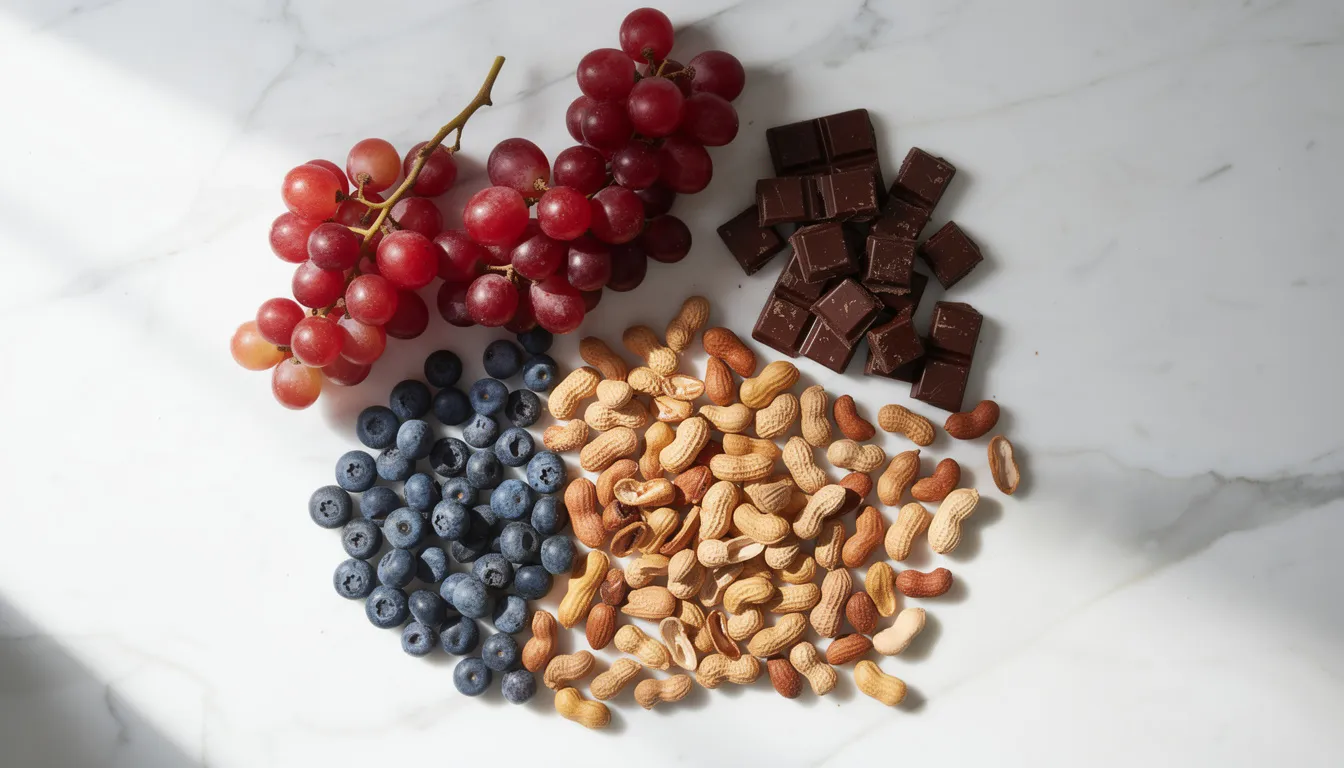
Resveratrol is a naturally occurring polyphenol compound found in the skins of red grapes, blueberries, cranberries, peanuts, and—perhaps most famously—red wine. This molecule first captured scientific attention in the 1990s when researchers began investigating the so-called “French Paradox”: the observation that French populations consuming diets rich in saturated fats alongside moderate red wine showed surprisingly low rates of cardiovascular disease. Since then, resveratrol has become one of the most studied compounds in longevity and anti-aging research, with growing interest in its anti-aging benefits, anti-aging effects, and anti-aging potential for supporting cellular renewal, reducing age-related decline, and promoting overall vitality.
Study Design and Intervention
The intervention was straightforward: mice received a daily beverage containing grape skin extract standardized to 250 mg of trans resveratrol per bottle. Three dose levels were tested alongside a control group:
Control group: Vehicle only (no resveratrol)
Low dose group: 3.08 mL/kg body weight/day (lower supplemental range)
Medium dose group: 6.15 mL/kg body weight/day (moderate supplemental range)
High dose group: 12.3 mL/kg body weight/day (higher supplemental range)
The study ran for 13 weeks—long enough to observe meaningful changes in physical performance, biochemical markers, and cognitive function.
Biochemical Outcomes: The Numbers Behind the Benefits
The functional improvements weren’t happening in isolation. The researchers tracked several biochemical markers directly relevant to fatigue and oxidative stress:
Post-exercise blood lactate: Higher in control group; lower in medium/high resveratrol groups (improved)
Liver SOD activity: Baseline in control; increased in medium/high resveratrol groups (better antioxidant defense)
Liver catalase activity: Baseline in control; increased in medium/high resveratrol groups (better antioxidant defense)
Brain TBARS: Higher in control; reduced in medium/high resveratrol groups (less lipid damage)
Brain 8-OHdG: Higher in control; reduced in medium/high resveratrol groups (less DNA damage)
In 2025, a team led by Chen Y-C and colleagues published compelling new findings in the journal Antioxidants that reignited interest in resveratrol’s potential role beyond cardiovascular health. Using aged SAMP8 mice—a well-established model for accelerated aging and cognitive decline, commonly used to study age-related decline and neurodegenerative diseases such as Alzheimer's disease—the researchers demonstrated that 13 weeks of daily intake of a resveratrol-rich beverage led to significant improvements in locomotion, forelimb grip strength, and learning capacity, alongside reductions in key fatigue and oxidative stress markers. These findings suggest that resveratrol may offer anti-aging benefits and anti-aging effects, including support for brain health and potential neuroprotection against conditions like Alzheimer's disease.
Key Finding: After 13 weeks, mice receiving medium and high doses of resveratrol-rich beverage showed improved treadmill endurance and reduced post-exercise blood lactate compared to controls.
Before we go further, it’s important to clarify that these findings come primarily from animal studies. While the mechanisms and outcomes are promising, they don’t directly translate to guaranteed results in humans. No disease treatment or cure claims are being made here. What this research does offer is a window into how resveratrol may influence fatigue, energy metabolism, and brain function—insights that could be valuable for active, health-conscious adults navigating the aging process. Additionally, resveratrol’s potential to support immune function, its anti-inflammatory effects, and its role in protecting against neurodegenerative diseases are being actively explored in scientific studies, further highlighting its broad anti-aging potential and overall health benefits.
At Vitruvin, we’re committed to translating complex scientific research into clear, practical information. In this article, we’ll walk through what the 2025 study actually found, explore the biological mechanisms that might explain these effects, examine what human studies say (including some surprising contradictions), and provide actionable guidance for anyone considering resveratrol supplementation as part of their wellness routine.

Introduction to Resveratrol
Resveratrol is a naturally occurring polyphenol celebrated for its wide-ranging health benefits and its role in supporting a healthier, more vibrant life as we age. Found in the skins of red grapes, berries, and peanuts, resveratrol has become a focal point in scientific research thanks to its powerful antioxidant and anti-inflammatory properties. These qualities help the body combat oxidative stress—a key factor in the aging process and the development of chronic diseases.
Resveratrol supplementation has been linked to improvements in cardiovascular health, cognitive function, and overall well-being. By neutralizing free radicals and supporting the body’s natural defenses, resveratrol may help promote healthy aging and protect against the cellular damage that accumulates over time. Whether you’re interested in maintaining mental clarity, supporting heart health, or simply seeking to enhance your body’s resilience, resveratrol offers a promising addition to a comprehensive wellness routine.
What is Resveratrol?
Resveratrol is a type of polyphenol, specifically part of the stilbene family, that plants produce in response to stress or injury. It is most abundant in the skin of red grapes, but you’ll also find it in berries, peanuts, and even certain pine trees. What sets resveratrol apart is its impressive range of biological activities: it acts as a potent antioxidant, helps regulate the body’s inflammatory response, and has demonstrated anti-cancer properties in laboratory studies.
Among the different forms of resveratrol, trans resveratrol is the most active and widely studied. This is the form most often used in dietary supplements, as it is believed to deliver the greatest health benefits. Research suggests that resveratrol may support cardiovascular health by protecting blood vessels and improving circulation, while also promoting cognitive function and healthy aging by shielding brain cells from oxidative damage and inflammation. These combined effects make resveratrol a compelling option for those seeking to optimize their health and longevity.
The 2025 Anti-Fatigue Study: What Researchers Actually Found
The Chen Y-C et al. 2025 study set out to investigate whether a resveratrol-rich beverage could combat physical fatigue and cognitive decline in an aging mouse model. The researchers chose SAMP8 mice—three-month-old male senescence-accelerated mice that naturally develop characteristics mimicking human aging, including reduced physical capacity and memory impairment.
Study Design and Intervention
The intervention was straightforward: mice received a daily beverage containing grape skin extract standardized to 250 mg of trans resveratrol per bottle. Three dose levels were tested alongside a control group:
Control: Vehicle only (no resveratrol)
Low dose: 3.08 mL/kg body weight/day (lower supplemental range)
Medium dose: 6.15 mL/kg body weight/day (moderate supplemental range)
High dose: 12.3 mL/kg body weight/day (higher supplemental range)
The study ran for 13 weeks—long enough to observe meaningful changes in physical performance, biochemical markers, and cognitive function.
Functional Outcomes: What Changed?
The results painted a consistent picture of dose-dependent improvements in physical and cognitive capacity:
Endurance and Fatigue Resistance
Mice in the medium and high-dose groups showed improved treadmill performance at challenging speeds (20–25 m/min)
These groups experienced fewer electric shocks during the forced running test, indicating greater fatigue resistance
The pattern suggested that resveratrol intake helped the animals sustain effort longer before exhaustion
Muscle Strength
By week 9, forelimb grip strength was measurably higher in mice receiving medium and high doses
This improvement in muscle strength persisted through the study’s conclusion
Aging Index Scores
Researchers tracked an “aging index” encompassing coat condition, eye health, and behavioral markers
Medium and high-dose resveratrol groups showed lower (better) aging scores compared to controls
Learning and Memory
Passive avoidance and active shuttle avoidance tests—standard assessments of cognitive function in rodents—revealed enhanced learning and memory performance in resveratrol-treated groups
This suggests the beneficial effects extended beyond physical endurance to brain function
Biochemical Outcomes: The Numbers Behind the Benefits
The functional improvements weren’t happening in isolation. The researchers tracked several biochemical markers directly relevant to fatigue and oxidative stress:
Post-exercise blood lactate: Higher in control group; lower in medium/high resveratrol groups (improved)
Liver SOD activity: Baseline in control; increased in medium/high resveratrol groups (better antioxidant defense)
Liver catalase activity: Baseline in control; increased in medium/high resveratrol groups (better antioxidant defense)
Brain TBARS: Higher in control; reduced in medium/high resveratrol groups (less lipid damage)
Brain 8-OHdG: Higher in control; reduced in medium/high resveratrol groups (less DNA damage)
Lower post-exercise lactate suggests more efficient energy metabolism during intense effort. The increases in liver SOD (superoxide dismutase) and catalase—two critical antioxidant enzymes—indicate enhanced capacity to neutralize reactive oxygen species. Resveratrol's ability to control antioxidant defenses is evident here, as it boosts these enzymes and plays a key role in scavenging free radicals. Blood glucose levels are another important parameter often measured in such studies to assess metabolic health.
The reductions in brain TBARS (thiobarbituric acid reactive substances) and 8-OHdG (8-hydroxy-2’-deoxyguanosine) point to less oxidative damage in neural tissue. 8-OHdG is a marker of oxidative DNA damage, which is linked to increased cancer risk; antioxidants like resveratrol may help reduce this risk. By reducing oxidative stress and DNA damage, resveratrol controls key cellular processes and has shown promise in targeting cancer cells by inducing apoptosis and inhibiting tumor growth, further supporting its potential to reduce cancer risk.
Safety Profile
An important aspect of any intervention study is safety monitoring. The researchers found:
No overt organ toxicity at any dose level
Stable liver and kidney function markers
Unchanged major organ weights
No concerning behavioral changes
These findings suggest the resveratrol-rich beverage was well-tolerated in this animal model across the dose range tested.
How Resveratrol May Fight Fatigue: Mechanisms Behind the Mouse Data
The SAMP8 study results are impressive, but understanding why resveratrol might produce these effects requires looking at the underlying biology. Several interconnected mechanisms appear to be at play, each relevant to endurance and fatigue management.
The Oxidative Stress Connection
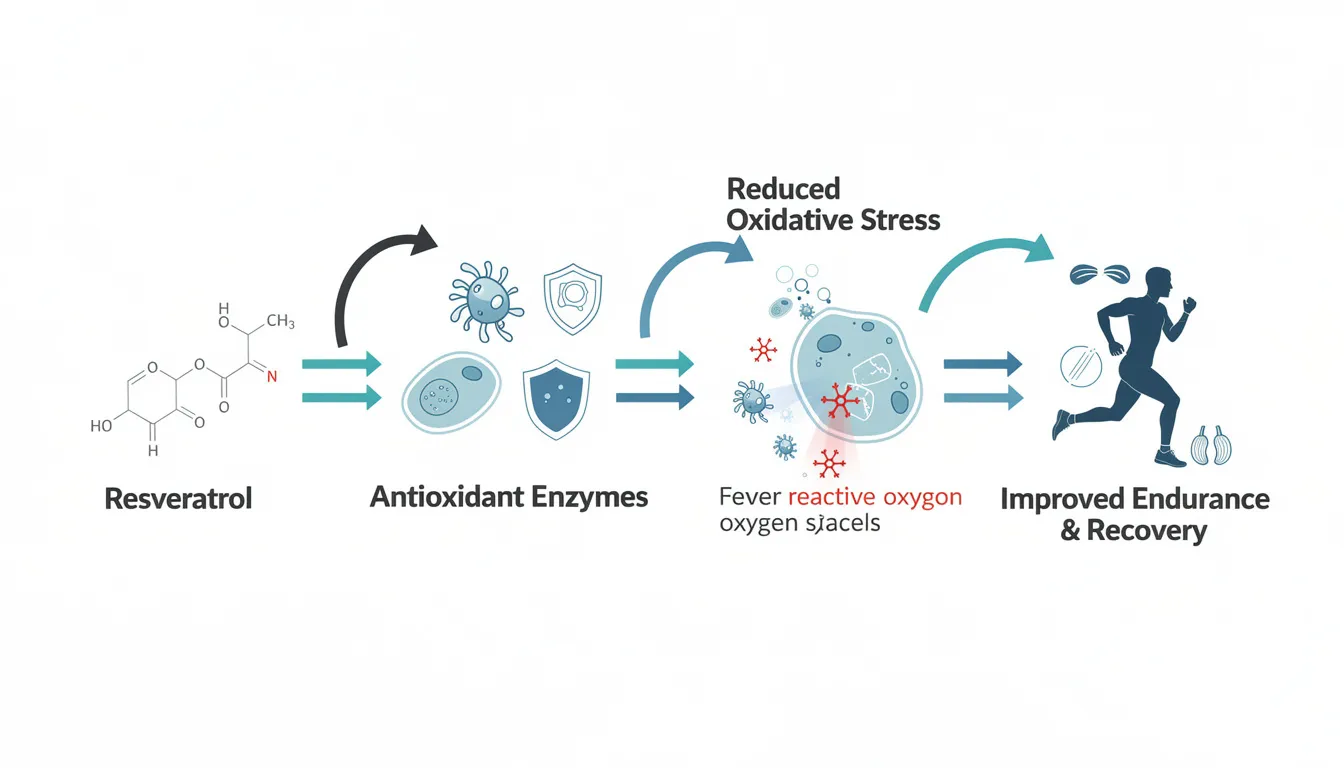
When you exercise—especially intensely—your body generates reactive oxygen species (ROS) as a byproduct of increased metabolic activity. In moderation, these molecules actually signal beneficial adaptations. But when ROS production overwhelms your antioxidant defenses, the result is oxidative stress: damage to cellular components including lipids, proteins, and DNA.
The markers tracked in the SAMP8 study tell this story clearly:
TBARS measure lipid peroxidation—essentially, how much your cell membranes are being damaged by oxidative attack
8-OHdG is a marker of oxidative DNA damage, particularly relevant in tissues like the brain that have limited regenerative capacity
Resveratrol’s antioxidant properties work through multiple channels:
Direct scavenging: Resveratrol molecules can directly neutralize free radicals, reducing their ability to damage cellular structures
Enzyme upregulation: By increasing SOD and catalase activity, resveratrol boosts your body’s endogenous antioxidant capacity
SIRT1 activation: Resveratrol activates sirtuin 1, a key enzyme that promotes mitochondrial biogenesis and enhances cellular stress resistance
This multi-pronged approach to combating oxidative stress helps explain why resveratrol treatment reduced brain oxidative markers while simultaneously improving physical performance.
The Metabolic Efficiency and Cardiovascular Health Angle
Fatigue during sustained effort isn’t just about oxidative damage—it’s fundamentally about energy supply and metabolic waste accumulation.
Blood Lactate and the Burning Sensation
When you push hard physically, your muscles increasingly rely on anaerobic glycolysis for energy production. The byproduct? Lactate and hydrogen ions, which accumulate and contribute to that familiar burning sensation and eventual exhaustion.
The SAMP8 study found lower post-exercise blood lactate in resveratrol-treated groups. This could indicate:
More efficient aerobic metabolism (less reliance on anaerobic pathways)
Enhanced lactate clearance
Improved pyruvate dehydrogenase activity, shunting more pyruvate into the aerobic pathway
Earlier preclinical work supports this interpretation. A 2013 study in ICR mice found that trans resveratrol administration at 25 mg/kg/day increased exhaustive swimming time by 128% compared to controls, while the 125 mg/kg group showed a 27.14% reduction in post-exercise lactate.
Glycogen Preservation
Your liver and muscles store glycogen—chains of glucose molecules—as readily available fuel for sustained effort. Depleting these stores is a major contributor to fatigue in endurance activities.
While the SAMP8 study didn’t find statistically significant differences in tissue glycogen levels, the trend suggested improved glycogen handling in resveratrol groups. This aligns with the known effects of SIRT1 activation: promoting fatty acid oxidation and “sparing” glycogen for when it’s most needed.
Neuromuscular and Brain Function
The improvements in grip strength and learning/memory performance point to effects extending beyond muscle metabolism.
Muscle Fiber Preservation
The sustained grip strength improvements suggest resveratrol may help preserve neuromuscular junction function and muscle fiber integrity during aging. Prior animal research has shown that resveratrol’s anti-inflammatory properties can reduce markers of muscle damage like creatine kinase (CK).
Central Fatigue
Fatigue isn’t purely a muscular phenomenon. Your brain plays a critical role in determining when you’ve “had enough.” Central fatigue involves changes in neurotransmitter balance, brain energy availability, and oxidative stress in neural tissue.
The cognitive improvements and reduced brain oxidative markers in the SAMP8 study suggest resveratrol may influence this central component of fatigue. By protecting brain cells from oxidative damage and potentially modulating inflammation via NF-κB inhibition, resveratrol could help maintain cognitive clarity and motivation during challenging physical efforts.
A Note on Mechanistic Certainty
These pathways—SIRT1 activation, AMPK modulation, mitochondrial enhancement—are largely inferred from animal and cell studies. The resveratrol molecules working in a mouse liver may not behave identically in human tissues, where metabolism, dosing, and physiological context differ substantially. This is why human clinical trials remain essential for confirming these mechanisms translate to meaningful real-world effects.
What Human Studies Say About Resveratrol, Energy, and Exercise
Moving from mice to humans reveals a more complicated picture. Over 150 human trials have examined resveratrol’s effects, but most focus on cardiometabolic markers, cognitive function, and inflammation rather than pure athletic performance. The results on physical endurance are genuinely mixed.
Clinical nutrition plays a key role in supporting aging populations and managing chronic diseases, and research on resveratrol is often integrated within this broader field to optimize health outcomes through tailored dietary interventions.
The Promising Side
Some human research has found beneficial effects consistent with the animal data:
Vascular function: Multiple trials have shown improvements in flow-mediated dilation and other markers of blood vessel health, potentially supporting better blood flow during exercise
Mitochondrial biogenesis: Certain studies report increases in markers associated with mitochondrial function, aligning with the SIRT1/PGC-1α pathway identified in animal models
Recovery markers: Some research suggests moderate doses may reduce markers of muscle damage and inflammation after exercise
A number of double blind placebo controlled trials have examined cardiovascular health resveratrol connections, finding improvements in high density lipoprotein cholesterol and reductions in low density lipoprotein cholesterol in certain populations.
The Conflicting Evidence
Here’s where it gets complicated:
Blunted Training Adaptations (2013)
A trial in older men undergoing endurance training found that resveratrol supplementation actually reduced some cardiovascular benefits of exercise
Participants taking resveratrol showed smaller gains in VO₂ max and less improvement in mean arterial pressure compared to placebo
This raised concerns that high-dose antioxidants might interfere with the hormetic stress signals that drive training adaptations
Neutral or Negative Results
Several trials found no significant improvements in inflammation, body weight, or metabolic markers
In some cases, resveratrol unexpectedly raised cholesterol levels rather than lowering them
Effects often varied substantially based on population (healthy vs. metabolically compromised), dose, and duration
The Bioavailability Problem
A fundamental challenge in translating mouse findings to humans is bioavailability. While oral resveratrol is absorbed reasonably well, it undergoes rapid phase II metabolism in the gut and liver. The result? Active resveratrol levels in blood remain quite low—often less than 1% of the ingested dose reaches circulation in its original form.
Human trials have tested a wide dose range:
5–75 mg/day: Cognitive and cardiovascular studies, generally well-tolerated
150–500 mg/day: Metabolic health research, common supplemental range
1–2 g/day: Higher-dose wellness research, increased GI side effects
2.5–5 g/day: Oncology trials, serious adverse effects reported
This bioavailability challenge has driven interest in advanced delivery systems—micronized or liposomal formulations designed to improve absorption and extend circulation time.
The Bottom Line on Human Evidence
Unlike the clear-cut SAMP8 mouse results, no large, long-duration human trials have yet demonstrated definitive anti-fatigue or endurance benefits attributable solely to resveratrol. The findings suggest potential supportive effects for cardiovascular health, cognitive function, and certain metabolic markers, but the evidence for direct performance enhancement remains preliminary.
This doesn’t mean resveratrol is ineffective for humans—rather, it highlights that:
Effects may be more subtle and context-dependent than animal studies suggest
Optimal dosing, timing, and population selection remain uncertain
Individual variation in metabolism and response likely plays a significant role
Resveratrol and Body Weight
Emerging research suggests that resveratrol supplementation may play a supportive role in body weight management, particularly for individuals struggling with obesity or metabolic health challenges. Studies indicate that resveratrol’s anti-inflammatory properties can help reduce chronic inflammation—a factor often linked to weight gain and metabolic dysfunction. Additionally, resveratrol’s ability to enhance insulin sensitivity and improve glucose metabolism may contribute to healthier blood sugar levels and more efficient energy use, both of which are important for maintaining a healthy body weight.
By addressing underlying metabolic and inflammatory processes, resveratrol may offer a complementary approach to traditional weight management strategies. While it’s not a substitute for a balanced diet and regular physical activity, incorporating resveratrol as part of a holistic wellness plan could help support your efforts to achieve and maintain a healthy weight.
Resveratrol and Cardiovascular Health
Resveratrol has garnered significant attention for its potential to support cardiovascular health and protect against heart disease. Scientific studies have shown that resveratrol can help lower blood pressure, improve blood flow, and reduce the risk of cardiovascular disease by supporting the health of blood vessels and the heart. Its antioxidant and anti-inflammatory properties are particularly important, as they help reduce oxidative stress and inflammation within the cardiovascular system—two key contributors to the development of heart disease.
In addition to these protective effects, resveratrol has been found to improve lipid profiles by lowering low-density lipoprotein (LDL) cholesterol and increasing high-density lipoprotein (HDL) cholesterol. These changes can further reduce the risk of atherosclerosis and other cardiovascular complications. By promoting healthy blood pressure, enhancing circulation, and supporting optimal cholesterol levels, resveratrol stands out as a valuable ally in the pursuit of long-term cardiovascular wellness.
Practical Ways to Support Endurance with Resveratrol (Without Overpromising)
If you’re intrigued by the research but want to approach resveratrol sensibly, here’s how to think about incorporating it into an endurance-focused lifestyle. The key principle: resveratrol may be one supportive piece of your strategy, not a magic performance enhancer.
Anti aging supplements, including resveratrol, are popular among those seeking to support endurance and longevity. When considering supplement formulations, note that some products combine resveratrol with other bioactive ingredients such as green tea extract to enhance their anti aging potential.
Dietary Sources
Before reaching for supplements, consider that many foods naturally contain resveratrol and other beneficial polyphenols:
Fruit Sources
Red and purple grapes (especially the skins)
Blueberries and bilberries
Cranberries and lingonberries
Mulberries
Nut Sources
Peanuts (including peanut butter)
Pistachios
Beverages
Red wine and grape juice
A note on red wine: while it’s the most famous resveratrol source, the amounts are relatively modest (typically 1–2 mg per glass), and alcohol carries its own health risks. Most scientific research uses supplemental resveratrol at concentrations far exceeding what you’d get from moderate wine consumption. A diet rich in polyphenol-containing fruits and vegetables provides broader benefits without the downsides of alcohol.
Resveratrol Supplementation Considerations
For those considering resveratrol supplements as a dietary supplement option, here are neutral, evidence-based considerations:
Typical Dose Ranges
Most wellness-focused research uses 100–500 mg/day
Many longevity enthusiasts stay below 1,000 mg/day due to increased side-effect risk at higher doses
The beneficial dose for any individual remains unclear given the mixed human data
Quality Markers
Look for products specifying trans resveratrol content (the more bioactive form)
Third-party testing and Certificates of Analysis provide assurance of purity and potency
Clear labeling of exact resveratrol content per serving
Formulation Considerations
Standard resveratrol has limited bioavailability
Some products use micronized or lipid-encapsulated forms to potentially improve absorption
The clinical significance of these enhanced formulations remains under investigation
Choosing the Best Resveratrol Supplement
Selecting the best resveratrol supplement involves more than just picking a bottle off the shelf. To maximize the potential health benefits—whether for cardiovascular health, cognitive function, or healthy aging—it’s important to choose a product that delivers high-quality, bioactive trans resveratrol from a reputable manufacturer. Look for supplements that clearly state the amount of trans resveratrol per serving and provide third-party testing or Certificates of Analysis to verify purity and potency.
Among the top options, Toniiq Resveratrol is recognized for its 99% pure trans resveratrol content, which has been associated with significant improvements in cardiovascular health and cognitive function in research settings. GenuinePurity Resveratrol stands out for its liposomal delivery system, designed to enhance absorption and bioavailability. Longevinex offers a unique blend of resveratrol with other anti-aging compounds, catering to those seeking a comprehensive approach to longevity.
No matter which supplement you choose, always follow the recommended dosage and consult with a healthcare professional before starting any new regimen—especially if you have existing health conditions or take medications. By prioritizing quality and transparency, you can make an informed decision and confidently incorporate resveratrol into your wellness journey.
Timing and Training Context
Important Consideration: Some evidence suggests combining high-dose antioxidant supplementation with intense endurance training may blunt certain beneficial adaptations. The stress of exercise itself signals your body to adapt and improve. Flooding the system with antioxidants might dampen that signal.
If performance gains are your primary goal, consider:
Discussing timing and dosage with a sports nutrition professional or clinician
Potentially timing supplementation away from key training sessions
Starting with lower doses to assess individual response
Foundational Habits That Matter More
Any supplement—resveratrol included—works best on a foundation of solid lifestyle practices:
Training
Progressive load increases with adequate recovery
Periodization to prevent overtraining
Consistency over intensity spikes
Recovery
Quality sleep (7–9 hours for most adults)
Stress management practices
Active recovery protocols
Nutrition
Sufficient carbohydrates to maintain glycogen stores
Adequate protein for muscle repair
Variety of polyphenol-rich fruits and vegetables
A healthy diet provides multiple pathways to supporting cardiovascular health and metabolic efficiency
Safety, Limitations, and Who Should Be Cautious
Resveratrol has a generally favorable safety profile at typical supplemental doses, but understanding the boundaries and potential concerns is essential for informed decision-making.
General Safety Overview
Human data suggest resveratrol is generally well tolerated at doses below 1,000 mg/day for most healthy adults. However, individual responses vary, and several factors warrant attention.
Known and Suspected Side Effects
Gastrointestinal Issues
Nausea, diarrhea, and abdominal discomfort are the most commonly reported adverse effects
These tend to be dose-dependent, increasing at higher intake levels
Taking resveratrol with food may reduce GI upset for some individuals
Blood Clotting Interactions
Resveratrol may affect platelet aggregation and blood clotting
This creates potential interaction risk with anticoagulant medications (warfarin, heparin) and antiplatelet drugs (aspirin, clopidogrel)
People on these medications should consult their healthcare provider before using resveratrol
Hormonal Considerations
Resveratrol exhibits mixed estrogen receptor activity (ERα agonist, ERβ antagonist effects)
The clinical significance of this activity remains debated
Individuals with hormone-sensitive conditions (certain cancers, endometriosis) should exercise caution and seek medical guidance
High-Dose Concerns
It’s worth noting what happens at the extreme end of dosing. A pharmaceutical formulation called SRT501 was tested in oncology trials at approximately 5 grams per day—10–50 times typical supplemental doses. The trial was discontinued due to serious adverse effects, including kidney complications in some participants.
This situation illustrates that “more” is not always better with any bioactive compound. The doses and specialized formulations used in oncology research are not comparable to typical dietary supplements


Comments