
Valter Longo Longevity Diet: Exploring the Longevity Diet and Supplement Synergies


Professor Valter Longo stands among the most influential figures in longevity research today. As director of the USC Longevity Institute and a faculty member at the Leonard Davis School of Gerontology in Southern California, he has dedicated over three decades to understanding how nutrition and fasting influence aging at the cellular level. His work synthesizes findings from animal models, centenarian populations, and clinical trials into what he calls the “Longevity Diet”—a framework that has captured global attention as people seek evidence-based approaches to living a long and healthy life. Scientific research and traditional dietary habits, including specific recipes and food patterns, have shown that these approaches can promote long life and help prevent age-related diseases.
The longevity diet is not a short-term weight loss plan or a restrictive elimination protocol. Instead, it represents a mostly plant-based eating pattern emphasizing complex carbohydrates from whole grains and legumes, relatively low protein intake (primarily from plant sources), and healthy fats from foods like extra virgin olive oil and nuts. What distinguishes Longo’s approach from other dietary frameworks is its integration of periodic fasting mimicking diet cycles—structured low-calorie periods designed to trigger cellular repair mechanisms without the risks of prolonged water fasting.
This article outlines the core principles of the longevity diet, examines the science behind fasting protocols, explores real-world food patterns and meal timing strategies, and discusses how evidence-based supplements such as NMN, resveratrol, spermidine, marine collagen, and lion’s mane might complement this lifestyle. Everything presented here is informational only and should not replace guidance from qualified healthcare professionals—particularly for individuals with chronic conditions or those taking medications.
From Vitruvin’s perspective as a company focused on longevity and cellular health, the goal is to help readers understand how thoughtfully chosen supplements might layer on top of a solid dietary foundation. No supplement can substitute for the fundamentals of nutrition, sleep, and movement. A diet rich in vegetables, legumes, and whole grains can provide the least costly way to take care of many health problems and can be key to a longer and healthier life. With that context established, let’s explore what all the research tells us about eating for a healthier life.
Foundations of the Longevity Diet: What the Research Shows
Understanding the scientific basis of the longevity diet requires looking back over a century of nutrition and aging research. The story begins with early calorie restriction experiments in the 1930s, when researchers discovered that reducing food intake in rodents—without causing malnutrition—could extend lifespan dramatically. Subsequent studies in yeast, worms, flies, and mice confirmed these findings, with some animal models showing lifespan extensions of up to 50%.
Valter Longo’s work at the Longevity Institute built upon this foundation, exploring the molecular mechanisms that connect food consumption to aging. His research identified specific nutrient-sensing pathways—including those involving insulin-like growth factor 1 (IGF-1), mTOR, and insulin signaling—that regulate cellular repair processes like autophagy. When these pathways sense reduced nutrient availability, cells shift from growth mode into maintenance and repair mode, potentially slowing the accumulation of damage that drives age-related disease.
Human evidence supporting these concepts comes from multiple sources. Observational data from Blue Zones—regions like Sardinia, Okinawa, Ikaria, Nicoya, and Loma Linda where people routinely live past 100—reveals common dietary patterns: high consumption of plant based foods, moderate fish intake, minimal red meat and processed foods, and modest total calories. The Mediterranean diet, which shares many features with these traditional eating patterns, has been consistently associated with lower risk factors for cardiovascular disease and improved life expectancy.
A significant modeling study published in PLOS Medicine analyzed data from multiple countries and estimated that shifting from a standard American diet (often called the western diet) to a more plant-based pattern could add substantial years of healthy longevity. The researchers found that making this dietary change at age 20 could extend life expectancy by approximately 10 years for women and 13 years for men. Even starting at age 60 showed benefits of 8-9 additional years, while changes at age 80 still yielded around 3.5 extra years. These projections came from examining which food choices had the greatest impact—with increased legumes, whole grains, and nuts showing the largest benefits, and elimination of red meat contributing nearly 2 additional years compared to merely reducing it.
Clinical trials of the fasting mimicking diet have provided more direct evidence. In controlled studies, adults completing repeated 5-day FMD cycles showed improvements in multiple disease risk markers: reduced blood pressure, lower fasting glucose, decreased abdominal body fat, and reduced inflammatory markers. One trial found that participants reduced their biological age—a composite measure of cellular and tissue function—by an average of 2.5 years after completing several cycles.
It’s important to interpret these findings with appropriate caution. Most longevity claims in humans come from observational data and surrogate markers rather than decades-long randomized controlled trials tracking actual lifespan. The biological sciences continue to refine our understanding of what these biomarker changes mean for long-term health outcomes. Still, the convergence of evidence from epidemiology and clinical trials points toward genuine benefits from adopting eating patterns similar to what Longo describes.
Core Principles of Valter Longo’s Longevity Diet
Translating research findings into everyday food choices is where many dietary frameworks struggle. The longevity diet attempts to bridge this gap by offering clear guidelines about what to eat, what to limit, and how to structure meals for optimal health. Unlike fad diets that demonize entire macronutrient categories, this approach emphasizes balance and nutrient density over extreme restriction.
Macronutrient Emphasis
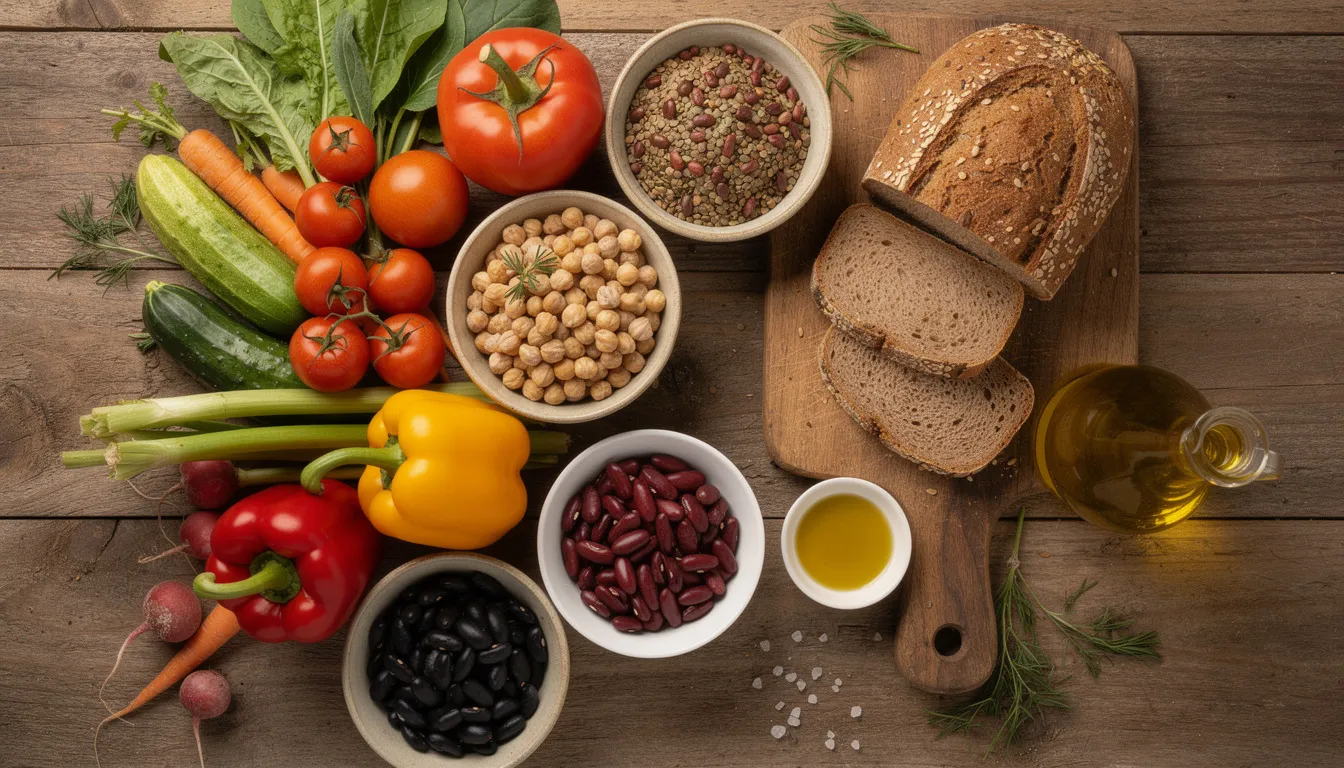
The diet calls for moderate to high intake of complex carbohydrates, primarily from unprocessed sources. Think legumes like garbanzo beans, lentils, and black beans; whole grains such as brown rice, barley, oats, and farro; and abundant vegetables including leafy greens, cruciferous vegetables, tomatoes, and root vegetables. These foods provide sustained energy, fiber for gut health, and a wide array of vitamins and minerals.
Protein intake represents perhaps the most distinctive feature of Longo’s recommendations. For most adults under approximately 65-70 years of age, the diet calls for relatively low protein—around 0.31 to 0.36 grams per pound of body weight daily, or roughly 0.7 to 0.8 grams per kilogram. Crucially, this protein should come primarily from plant based sources rather than animal products. The rationale connects to those nutrient-sensing pathways: lower protein intake, particularly lower intake of certain amino acids, appears to reduce IGF-1 levels and mTOR activation, promoting cellular maintenance over growth.
Healthy fats should provide roughly 30% of total calories, with emphasis on unsaturated fats rather than saturated fats. Extra virgin olive oil serves as the primary fat source, used generously amounts for cooking and dressing. Nuts and seeds—walnuts, almonds, hazelnuts, pistachios—contribute additional plant based fats along with fiber and micronutrients. Small amounts of fish, particularly low-mercury varieties like sardines, anchovies, and wild salmon, provide omega-3 fatty acids two to three times weekly.
Foods to Emphasize
A diet rich in the following categories forms the foundation of everyday health according to Longo’s framework:
Food Category |
Examples |
Benefits |
|---|---|---|
Legumes |
Lentils, chickpeas, black beans, white beans |
Protein, fiber, B vitamins, minerals |
Whole grains |
Brown rice, barley, oats, farro, quinoa |
Complex carbohydrates, fiber, minerals |
Vegetables |
Leafy greens, cruciferous, tomatoes, peppers |
Vitamins, antioxidants, fiber |
Nuts and seeds |
Walnuts, almonds, flaxseeds, chia |
Healthy fats, protein, minerals |
Olive oil |
Extra virgin, cold-pressed |
Monounsaturated fats, polyphenols |
Fish |
Sardines, anchovies, salmon (2-3x weekly) |
Omega-3s, protein, vitamin D |
Occasional treats |
Dark chocolate (small amounts) |
Polyphenols, psychological satisfaction |
Foods to Limit or Avoid
The longevity diet minimizes or eliminates several food categories associated with accelerated aging and disease risk in observational studies. Red meat and processed meats—bacon, sausages, deli meats—are largely avoided. White meat appears only rarely if at all. High-fat dairy and cheese are limited, though small amounts of fermented dairy may be acceptable depending on individual tolerance and cultural background.
Refined grains and added sugars represent another category to minimize. This includes white bread, sugary cereals, pastries, and sugar-sweetened beverages. The goal is to choose healthy foods that provide nutrients without causing rapid blood sugar spikes that stress metabolic systems over time. Low sugar intake and avoiding processed snacks helps maintain insulin sensitivity and supports healthy longevity.
Age-Related Adjustments
Importantly, protein recommendations shift for older adults. After approximately age 65-70, higher protein intake becomes necessary to prevent frailty and sarcopenia (age-related muscle loss). Longo’s research suggests that while lower protein benefits younger adults by activating longevity pathways, older individuals need adequate protein—still preferentially from plant sources—to maintain lean mass and functional capacity. This nuance underscores why personalization with a clinician or dietitian matters, particularly for aging populations.
When to Eat: Fasting, Fasting-Mimicking Diets, and Daily Time-Restricted Eating
Timing represents a central pillar of Longo’s approach—arguably as important as food composition itself. The modern pattern of eating from early morning until late night disrupts circadian rhythms and keeps metabolic systems constantly active, reducing the time available for cellular maintenance and repair.
Daily Eating Windows
The longevity diet recommends confining all food consumption to an 11-12 hour window each day. For example, eating between 7 a.m. and 6 p.m. or 8 a.m. and 7 p.m., followed by a 12-13 hour overnight fast. This approach differs from more aggressive intermittent fasting protocols that compress eating into 6-8 hours. Longo has expressed caution about extremely short eating windows and particularly about skipping breakfast, noting that habitual breakfast skipping has been associated in some cohort studies with higher cardiovascular risk and all-cause mortality.
The 12-hour overnight fast allows metabolic systems to rest, blood sugar and insulin to normalize, and cellular cleanup processes to proceed. Research suggests that habitual eating over more than 15 hours daily correlates with poorer metabolic markers and sleep quality. Simply aligning your everyday diet with natural light cycles—eating during daylight, fasting during darkness—may confer meaningful benefits.
The 5-Day Fasting-Mimicking Diet
The periodic fasting mimicking diet represents Longo’s most distinctive contribution to longevity nutrition. Unlike water fasting, which carries significant risks and is difficult to sustain, the FMD provides carefully calibrated nutrition while triggering fasting-like cellular responses.
A typical FMD cycle involves five consecutive days of:
Reduced calories (approximately 700-1,100 kcal/day)
Low protein intake
Low sugar
High proportion of plant based fats
Specific micronutrient composition
The goal is to provide essential nutrients while keeping protein and sugar low enough that cellular nutrient sensors “believe” the body is fasting. This triggers autophagy—the cellular recycling process—and reduces IGF-1, inflammation, and other markers associated with accelerated aging.
For healthy adults, Longo recommends completing FMD cycles 2-4 times per year. Some clinical research settings use more frequent cycles for specific populations under medical supervision. The approach has been studied primarily in adults with metabolic risk factors, where repeated cycles showed reductions in visceral fat, blood pressure, fasting glucose, and inflammatory markers.
Safety Considerations
Extended fasting and FMD protocols require careful consideration and often medical supervision. The following groups should not attempt these approaches without close guidance from healthcare providers:
Pregnant or breastfeeding women
Individuals who are underweight or have history of eating disorders
People with diabetes taking insulin or sulfonylureas (fasting alters glucose and medication needs)
Those with cardiovascular disease, kidney disease, or liver conditions
Adolescents and growing children
Fasting can interact unpredictably with medications for blood pressure, blood sugar, and other conditions. Even for healthy individuals, starting with the daily 12-hour eating window before attempting FMD cycles is prudent. The goal is sustainable benefit, not dramatic interventions that create risk.

Health Domains Influenced by the Longevity Diet
While no diet can guarantee a longer life or prevent any specific disease, the longevity diet targets key systems affected by aging: cardiovascular, metabolic, and cellular health. Evidence from observational cohorts and interventional studies suggests meaningful effects on reduce risk factors across these domains.
Cardiovascular Health and Blood Pressure
The relationship between diet and heart disease has been studied extensively for decades. High intake of fruits and vegetables—approximately 5 servings daily—consistently associates with lower cardiovascular disease risk in large cohort studies. The mechanisms involve multiple factors: potassium from legumes, leafy greens, and avocados supports healthy blood pressure; fiber reduces cholesterol absorption; antioxidants protect blood vessel walls from oxidative damage.
Omega-3 fatty acids from fish contribute to healthy lipid profiles and may reduce inflammatory markers linked to atherosclerosis. The generous use of extra virgin olive oil provides monounsaturated fats and polyphenols that have shown cardiovascular benefits in the PREDIMED trial and other research. By emphasizing these healthy fats while minimizing saturated fats from red meat and processed foods, the longevity diet aligns with decades of cardiovascular nutrition research.
Metabolic Health and Type 2 Diabetes Risk
The connection between dietary patterns and type 2 diabetes risk is well-established. High consumption of refined carbohydrates, sugary beverages, and red and processed meats correlates with increased diabetes incidence. Conversely, plant-forward diets rich in legumes, nuts, and whole grains show lower risk associations in large cohort studies spanning multiple continents.
The mechanisms involve improved insulin sensitivity, better blood sugar regulation, and reduced inflammation. FMD cycles in clinical trials have shown improvements in fasting glucose and insulin sensitivity markers, suggesting that periodic fasting may enhance metabolic flexibility beyond what dietary composition alone achieves. For individuals seeking to lose weight or reduce metabolic disease risk, combining the longevity diet with appropriate fasting protocols offers a multi-pronged approach.
Cancer-Related Risk Factors and Cellular Stress Responses
Research in animal models demonstrates that fasting and calorie restriction can reduce incidence of some tumors and enhance cellular stress resistance. The hypothesized mechanisms involve reduced IGF-1 signaling, decreased cellular proliferation rates, and enhanced DNA repair capacity. Cells under nutrient stress activate protective pathways that may help them resist damage from various sources.
In humans, evidence comes primarily from biomarker changes and early-stage trials rather than long-term cancer outcomes. Longo has conducted pilot studies examining fasting protocols alongside cancer therapies, investigating effects on treatment tolerability and tumor biology. His 2025 book exploring these concepts emphasizes that this remains an evolving research area requiring oncologist guidance—fasting during cancer treatment is not something to attempt independently.
Aging Biology: Autophagy, Senescence, and NAD⁺
At the cellular level, the longevity diet and fasting protocols target fundamental aging processes. Autophagy—literally “self-eating”—is the process by which cells recycle damaged components into building blocks for new structures. Fasting activates autophagy through nutrient-sensing pathways involving mTOR and AMPK, helping clear dysfunctional proteins and organelles that accumulate with age.
Cellular senescence, where damaged cells stop dividing but refuse to die, represents another aging mechanism. Senescent cells secrete inflammatory molecules that affect neighboring tissues. Research suggests that periodic fasting may help clear senescent cells or reduce their harmful secretions, though human evidence remains preliminary.
NAD⁺, a coenzyme central to energy production and cellular repair, declines with age. Lifestyle strategies—including regular physical activity, circadian-aligned eating, and nutrient-dense diets—may help support healthier NAD⁺ metabolism. This provides a foundation for understanding how targeted supplements might offer additional support.
Supplement Synergies with the Longevity Diet (From a Vitruvin Perspective)
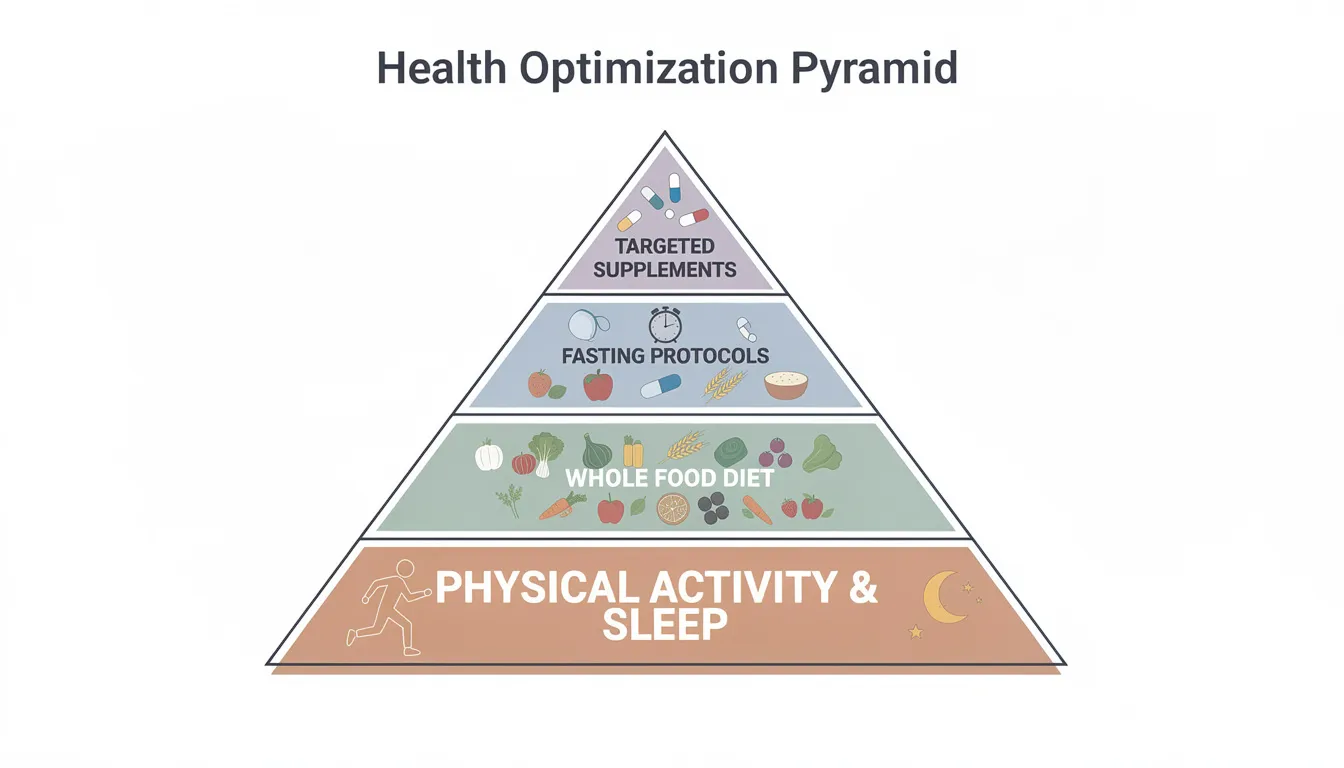
Supplements are not replacements for the longevity diet or medical care. However, for individuals who have established solid dietary and lifestyle foundations, thoughtfully chosen supplements may complement a longevity-focused approach. Vitruvin’s perspective emphasizes that supplementation should be considered in consultation with healthcare providers, using products with verified purity and third-party testing.
NAD⁺ Support and NMN/Niacin-Based Strategies
NAD⁺ (nicotinamide adenine dinucleotide) serves as an essential coenzyme in hundreds of cellular reactions involving energy production, DNA repair, and gene expression. Research consistently shows that NAD⁺ levels decline with age, potentially contributing to mitochondrial dysfunction and reduced cellular resilience.
NMN (nicotinamide mononucleotide) and related NAD⁺ precursors have shown promise in animal studies for improving metabolic function, exercise capacity, and various age-related markers. Early human trials demonstrate that oral NMN supplementation increases blood NAD⁺ levels and may improve some aspects of metabolic function, though long-term outcome data remains limited.
From a synergy perspective, the longevity diet provides the nutritional foundation—adequate B vitamins, antioxidants, and metabolic substrates—while NMN supplementation may offer targeted support for NAD⁺ pathways. Physical activity, quality sleep, and circadian-aligned eating further support endogenous NAD⁺ production. The combination represents a layered approach rather than reliance on any single intervention.
Resveratrol and Polyphenol-Rich Foods
The longevity diet already emphasizes polyphenol-rich foods: olive oil contains oleocanthal and oleuropein; dark chocolate provides flavanols; berries and red vegetables contribute anthocyanins and other compounds. These polyphenols have antioxidant and anti-inflammatory properties and may activate stress-response pathways like sirtuins.
Resveratrol, found naturally in grape skins and red wine, has been extensively studied for its effects on sirtuin activation and cellular stress responses. Animal studies show various benefits, though human data remains mixed and doses used in research often exceed what diet alone provides.
Resveratrol supplementation might be viewed as an adjunct to, not substitute for, a polyphenol-rich dietary pattern. For individuals already consuming generous amounts of olive oil, vegetables, and occasional dark chocolate, supplemental resveratrol may provide additional pathway activation. Fat-soluble polyphenols are typically best absorbed when taken with meals containing healthy fats.
Spermidine, Autophagy, and Plant Foods
Spermidine is a naturally occurring polyamine found in wheat germ, soy products, aged cheeses, legumes, and mushrooms. Research suggests that spermidine may promote autophagy through mechanisms independent of caloric restriction, potentially offering complementary benefits to fasting protocols.
Observational studies have associated higher dietary spermidine intake with reduced cardiovascular and overall mortality risk. While causation cannot be established from these data, the biological plausibility—spermidine’s documented effects on autophagy in cellular and animal studies—provides supporting rationale.
Combining spermidine-rich foods with fasting intervals may create synergistic effects on cellular renewal. For those not regularly consuming wheat germ or fermented soy products, supplemental spermidine offers another option. As with other supplements, evidence in humans remains preliminary, and expectations should be calibrated accordingly.
Brain and Connective Tissue Support: Lion’s Mane & Marine Collagen
Lion’s mane mushroom (Hericium erinaceus) has attracted interest for its potential cognitive benefits. Small human studies suggest improvements in mild cognitive impairment, and animal research demonstrates effects on nerve growth factor expression. For individuals seeking brain health support alongside longevity nutrition, lion’s mane represents an option with reasonable preliminary evidence, though larger trials are needed.
Marine collagen provides specific amino acids—glycine, proline, hydroxyproline—that serve as building blocks for skin, joints, and connective tissue. Since the longevity diet is relatively low in animal protein, some individuals may find that targeted collagen supplementation supports tissue health without significantly increasing overall protein intake. Those following strict vegan approaches might consider plant-based amino acid alternatives.
Both supplements are optional adjuncts that should be considered in light of individual dietary patterns, allergies, and personal goals.
Practical Guidelines for Integrating Supplements
The most effective approach begins with establishing the longevity diet as your everyday diet foundation, incorporating appropriate fasting practices if medically suitable, and then selectively adding supplements based on specific goals:
Start with one or two targeted supplements rather than many simultaneously
Coordinate timing with meals and fasting windows—most supplements are best taken with food
Choose products with Certificates of Analysis and third-party testing for purity verification
Monitor how you feel over weeks to months, ideally with periodic lab work and professional guidance
Recognize that supplements provide marginal benefits on top of lifestyle foundations, not dramatic transformations
Practical 7-Day Longevity Diet Pattern with Fasting & Supplements
Understanding principles is essential, but visualizing how meals, fasting windows, and supplements fit together in a typical week helps translate theory into practice. The following framework offers a sample structure rather than a rigid prescription—individual needs vary based on age, activity level, health status, and cultural food preferences.
Weekly Structure
A standard longevity-aligned week might include five regular eating days and two lighter-intake days. The lighter days involve slightly reduced portions and earlier dinner (finishing by 5-6 p.m.) rather than strict fasting. Every day maintains a consistent 12-hour overnight fast—eating between 7 a.m. and 7 p.m., for example—with regular sleep-wake times to support circadian health.
Sample Day: Regular Eating Day
Morning begins with a breakfast combining complex carbohydrates, healthy fats, and moderate plant protein. Consider oatmeal topped with walnuts, berries, and a drizzle of olive oil; whole-grain bread with hummus, tomatoes, and cucumber; or for those preferring savory options, miso soup with tofu, seaweed, and brown rice. NAD⁺ support supplements like NMN can be taken with this first meal.
Lunch centers on legumes and vegetables with whole grains. A lentil and vegetable stew served over barley works well, as does a large salad featuring chickpeas, roasted vegetables, olive oil dressing, and a side of whole-grain sourdough bread. This meal provides fiber, plant protein, and sustained energy for the afternoon.
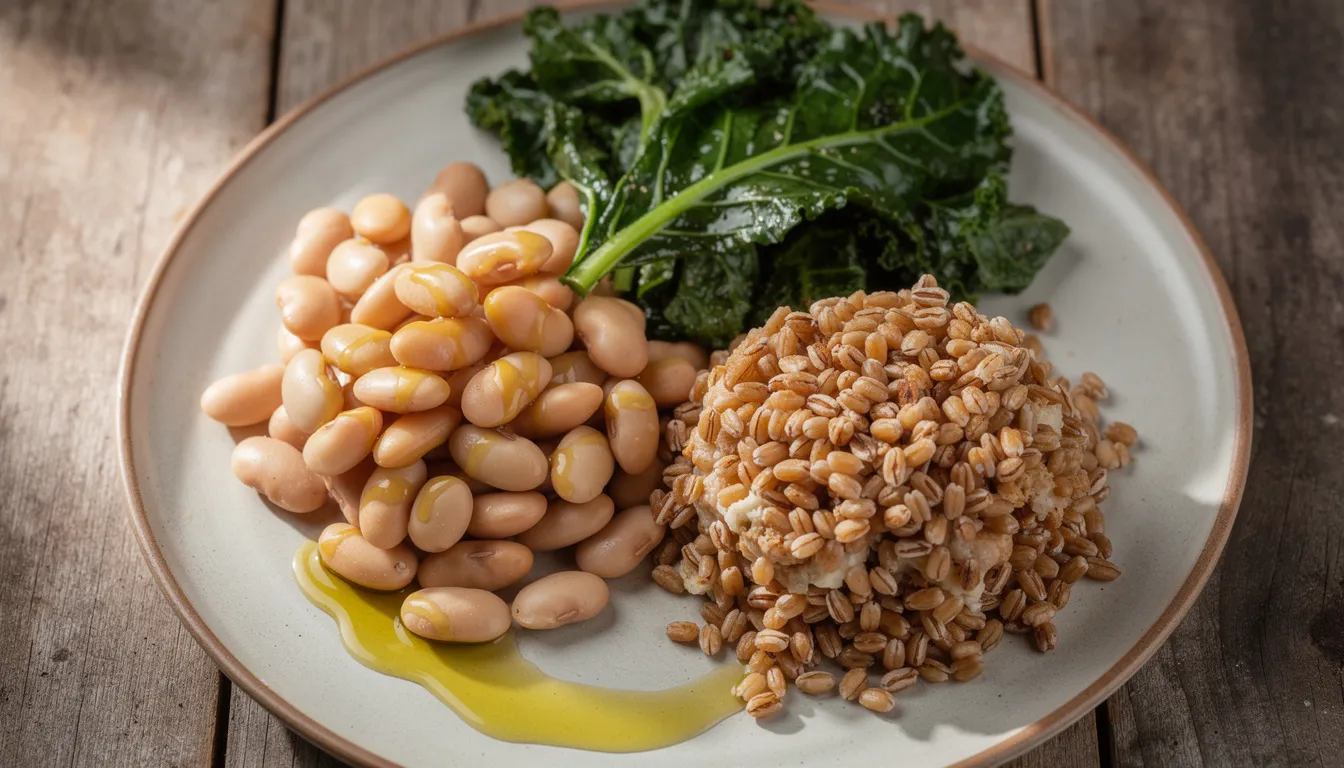
Dinner features another legume-vegetable-grain combination. White beans with sautéed greens and farro; grilled vegetables with a small portion of fatty fish and quinoa; or a hearty minestrone with whole-grain pasta all align with longevity diet principles. Polyphenol supplements like resveratrol are well-suited to this meal, taken alongside the healthy fats that enhance absorption.
Lighter-Intake Days
On the two lighter days, meals follow similar compositions but with reduced portions. Breakfast might be smaller, lunch lighter, and dinner finished earlier. This creates a longer overnight fast (14-15 hours) without the complexity of a full FMD protocol. These days can help maintain metabolic flexibility between formal FMD cycles.
Supplement Timing Across the Week
Supplement |
Timing |
Notes |
|---|---|---|
NMN or NAD⁺ precursor |
Morning with breakfast |
Supports cellular energy early in day |
Resveratrol |
Largest meal with fats |
Enhanced absorption with dietary fats |
Spermidine |
With food per product guidance |
Often morning or midday |
Lion’s mane |
With food, avoid late evening |
May affect sleep if taken late |
Marine collagen |
Any meal, count toward protein |
Consider if tracking daily protein |
During FMD Cycles
During the 2-4 annual 5-day FMD cycles, supplement use should be modified. Some supplements may break the fasting-like state due to their caloric content or effects on nutrient-sensing pathways. Consult product guidance and healthcare providers about which supplements to continue, pause, or reduce during FMD periods.
Personalization, Precautions, and Working with Professionals
Longevity nutrition is not one-size-fits-all. What works for a healthy 45-year-old may be inappropriate or even dangerous for a 70-year-old with multiple chronic conditions. Responsible adoption of the longevity diet and associated protocols requires honest self-assessment and, often, professional guidance.
Groups Requiring Extra Caution
People with diabetes or hypoglycemia need particular care. Fasting and FMD alter glucose dynamics and can interact unpredictably with medications like insulin or sulfonylureas, potentially causing dangerous hypoglycemia. Any fasting protocol for diabetic individuals must involve close physician supervision and potential medication adjustments.
Individuals with cardiovascular disease, kidney conditions, or liver disease face similar considerations. Fasting affects electrolyte balance, blood pressure regulation, and organ function in ways that may be problematic for compromised systems. Past eating disorders create psychological risks around restrictive eating patterns that outweigh potential longevity benefits.
Pregnant and breastfeeding women require adequate nutrition for fetal development and milk production—calorie restriction and FMD are contraindicated. Adolescents and underweight individuals likewise should not restrict calories in ways that could impair growth or health.
Baseline Assessments
Before starting aggressive dietary changes or supplement regimens, baseline lab work provides valuable context. Fasting glucose, lipid panels, liver and kidney function tests, and vitamin levels (particularly B12 and D for those reducing animal products) help identify existing issues and create benchmarks for tracking progress. Periodic reassessment—perhaps every 6-12 months—allows adjustment based on actual response rather than assumptions.
Building Your Support Team
Optimal longevity nutrition often benefits from multiple perspectives:
Physicians or nurse practitioners monitor overall health, manage medications, and ensure safety of fasting protocols
Registered dietitians tailor macronutrient ratios, plan meals, and adjust protein needs as you age
Health coaches support behavior change, habit formation, and long-term adherence
Vitruvin’s approach emphasizes combining high-quality, transparently tested supplements with evidence-based lifestyle changes and, where possible, personalized guidance. This differs from extreme “biohacking” approaches that prioritize novelty over sustainability and safety.
Looking Ahead: Future Directions in Longevity Diet & Supplement Research
The longevity diet framework will evolve as long-term human studies, advanced technologies, and precision nutrition approaches mature. What we know today represents a foundation, not a final answer.
Ongoing Research
A planned study of approximately 500 participants in southern Italy will investigate a longevity diet pattern inspired by traditional Blue Zones eating, combined with fasting protocols, tracking health markers over extended periods. This type of research—longer duration, larger sample, real-world conditions—will strengthen or refine current recommendations.
Additional trials are testing repeated FMD cycles in populations with metabolic syndrome, early cardiovascular risk, or elevated cancer risk. As these studies report results, guidance about optimal FMD frequency, duration, and composition will become more precise. Longo’s work on early-life nutrition, explored in his writings about childhood dietary patterns, suggests that longevity trajectories may be influenced by eating habits established decades before middle age.
Emerging Frontiers
Integration of microbiome profiling, genetic data, and epigenetic markers may eventually enable truly personalized longevity nutrition. Your optimal protein intake, fasting frequency, and supplement strategies might be tailored based on your specific biological characteristics rather than population averages.
More rigorous, longer-duration trials of NAD⁺ boosters, spermidine, and other longevity-oriented supplements will eventually clarify their effects on hard outcomes—frailty, cognitive decline, functional capacity—beyond short-term biomarker shifts. Until such data exist, supplementation remains a reasonable but unproven adjunct to foundational lifestyle practices.
Staying Evidence-Based
The world report of nutrition science expands continuously, and distinguishing genuine advances from hype requires critical thinking. Following updates from reputable institutions—major universities, peer-reviewed journals, established research groups—provides more reliable guidance than social media trends or influencer recommendations.
Sustainable habits remain the foundation regardless of future discoveries: eating whole foods in reasonable amounts, moving regularly, sleeping adequately, and maintaining meaningful social connections. Advanced tools like supplements and periodic fasting are refinements on this foundation, not replacements for it.
While aging cannot be stopped, combining a longevity diet with mindful fasting and thoughtfully chosen supplements within a supervised plan may help support healthier, more functional years of life. The goal isn’t immortality—it’s living well for as long as possible, with vitality and engagement rather than decline and dependence. That aspiration, grounded in current evidence and open to future refinements, represents the best we can do today.

Introduction to Longevity
Longevity is more than just living longer—it’s about enjoying a long and healthy life, free from the burden of chronic diseases and disabilities. At its core, longevity is closely linked to healthy aging, where individuals maintain their physical vitality and mental sharpness well into their later years. Achieving this goal isn’t just a matter of genetics; it’s largely influenced by the choices we make every day, especially when it comes to diet, movement, and stress management.
One of the most promising approaches to supporting longevity is the longevity diet, developed by Professor Valter Longo. Drawing on decades of research, this diet is designed to help people not only extend their lifespan but also improve their quality of life as they age. The longevity diet emphasizes a foundation of plant-based foods, whole grains, and healthy fats, while incorporating periodic fasting and calorie restriction to activate the body’s natural repair mechanisms.
By following the longevity diet, individuals can significantly reduce their risk of chronic diseases such as cardiovascular disease and cancer. Research shows that this way of eating supports weight loss, better blood sugar control, and lower inflammation—key factors in maintaining health and vitality over the years. The diet’s focus on nutrient-dense grains, healthy fats like olive oil, and a variety of plant-based foods makes it accessible and adaptable for people of all backgrounds.
Ultimately, the longevity diet is more than a set of food rules—it’s a powerful tool for promoting healthy aging and increasing lifespan. Whether you’re just starting your journey or looking to refine your everyday diet, adopting these principles can help you build a foundation for a longer, healthier life.
Overcoming Challenges on the Longevity Diet Journey
Adopting the longevity diet can be transformative, but it’s not without its challenges. Shifting away from familiar eating habits, resisting cravings for less healthy foods, and navigating social situations can all make the journey toward a healthier life feel daunting at times. Many people also find it difficult to stick to a fasting schedule or to consistently choose nutrient-rich foods over more convenient options.
The key to overcoming these obstacles is to approach the longevity diet as a gradual lifestyle change rather than a quick fix. Start by setting realistic, achievable goals—such as adding an extra serving of vegetables each day or extending your overnight fasting window by an hour. Seeking support from healthcare providers, registered dietitians, or even like-minded friends can provide valuable encouragement and accountability.
Practical strategies can make a big difference. Keeping a food diary helps you become more aware of your eating patterns and identify areas for improvement. Planning meals in advance ensures you have healthy options on hand, making it easier to stick to your goals. When cravings strike, look for satisfying alternatives that align with the longevity diet—like swapping out processed snacks for a handful of nuts or fresh fruit.
Remember, progress is more important than perfection. It’s normal to encounter setbacks or slip-ups along the way. Be patient and compassionate with yourself, focusing on the positive changes you’re making rather than dwelling on occasional missteps. With commitment and the right mindset, the longevity diet can become a sustainable part of your everyday health routine, supporting weight loss, improved well-being, and a longer, healthier life.
By embracing these strategies and staying dedicated to your goals, you can navigate the challenges of the longevity diet and unlock its full potential for lifelong health.


Comments
Rudolf Sicuro —
Been taking for about 3 weeks now, feel pretty dam good . I’m disabled and when I wake up I’m in a lot less pain.started after 8 or 9 days. Pretty dam happy with your product.would like to order more at the price I paid when I started. Had me worried when u sent to wrong adress.but dam happy since it got to me.let me know.if I can reorder.at original price thanks.Rudolf Sicuro.