
A Guide to the Best Supplements for Cellular Health and Longevity


Aging doesn’t start with gray hair or joint stiffness. It begins much earlier, deep inside your cells—in the mitochondria that power your energy, the DNA that carries your genetic instructions, and the repair systems that keep everything running smoothly. Understanding this reality is the first step toward making informed choices about your health as you move through your 40s, 50s, 60s, and beyond.
There’s an important distinction between lifespan and healthspan. Lifespan is simply how long you live; healthspan is how long you live well—maintaining strength, mobility, mental sharpness, and independence. The goal for most people isn’t just to add years to life but to add life to those years. This is where cellular health becomes central to the conversation.
At the cellular level, several processes contribute to what we experience as aging. Oxidative stress accumulates as free radicals damage cellular components. Chronic low-grade inflammation—sometimes called “inflammaging”—quietly erodes tissue function. Mitochondria become less efficient at producing energy. DNA repair mechanisms slow down. These aren’t separate problems; they’re interconnected pathways that influence how quickly or slowly our bodies change over time.
Longevity supplements aim to support these cellular processes—not to cure disease or guarantee outcomes, but to provide the body with tools it may use for better cellular function. The research is evolving, and no supplement can replace the fundamentals of sleep, nutrition, and movement. What they can do, when chosen thoughtfully, is complement a healthy lifestyle with targeted nutritional support.
Vitruvin focuses on clean-label, third-party tested cellular health supplements and education for adults who want proactive, evidence-based longevity strategies. The goal of this guide is to walk through the most studied categories—NAD+ boosters, polyphenols, amino acids, and foundational nutrients—and help you think about how to build a safe, personalized supplement regimen.
Introduction to Healthy Aging
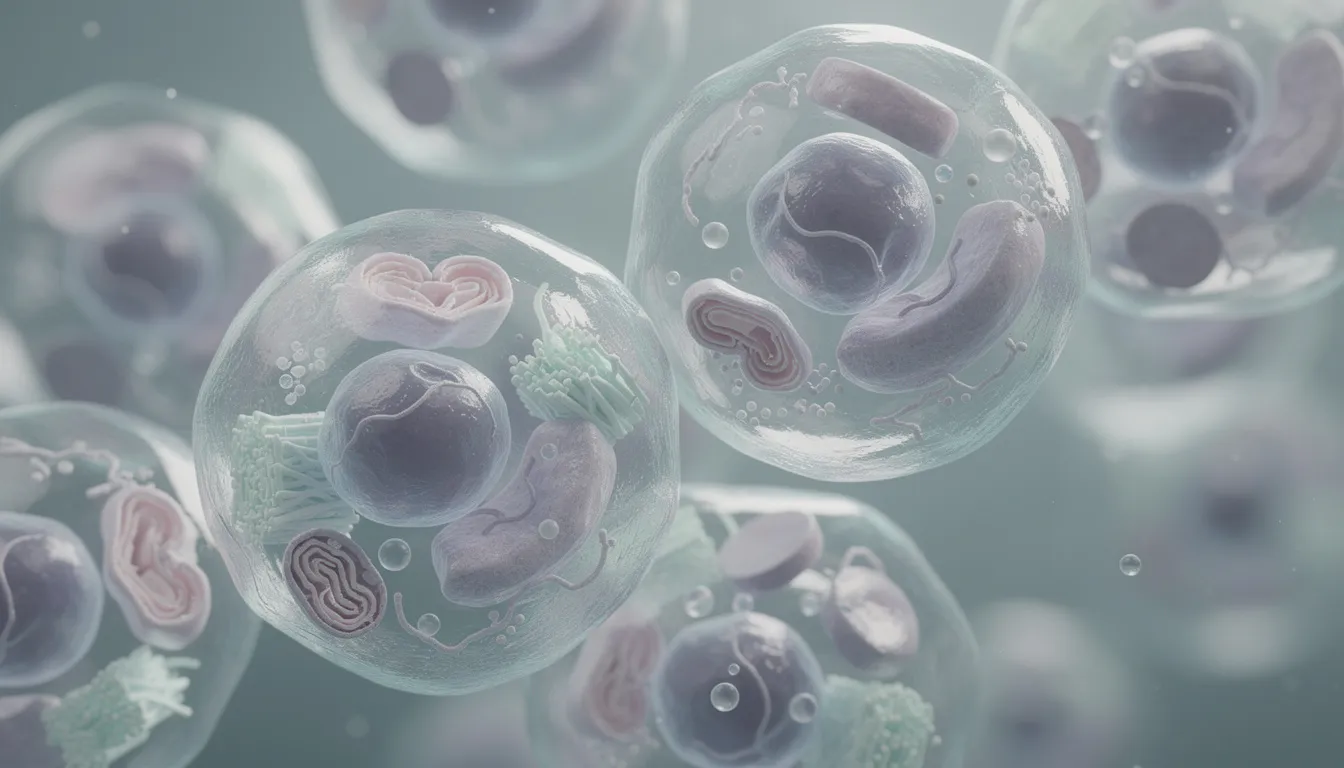
Healthy aging is about more than just adding years to your life—it’s about maintaining vitality, independence, and well-being as you grow older. This holistic approach encompasses physical, mental, and emotional health, recognizing that all aspects of wellness are interconnected. Longevity supplements and cellular health supplements can play a valuable role in supporting healthy aging by targeting key aging pathways and promoting optimal cellular health. However, these supplements are most effective when combined with a healthy lifestyle that includes a balanced diet, regular exercise, and effective stress management. By weaving these elements into your daily wellness routine, you can support your overall health, enhance your quality of life, and lay the foundation for long-term health and longevity.
Understanding Cellular Health
At the heart of healthy aging lies cellular health—the state of your cells and how well they function. When your cells are healthy, your body is better equipped to maintain energy, repair damage, and resist the effects of aging. Cellular health supplements, such as those containing omega-3 fatty acids, vitamin D, and CoQ10, are designed to support cellular function, boost energy production, and protect mitochondrial health. These nutrients help reduce oxidative stress and inflammation, two major contributors to cellular aging and age-related diseases. In addition to targeted supplementation, a diet rich in fruits, vegetables, and whole grains, along with regular exercise and stress management, can further promote cellular health. By prioritizing these habits, you support your body’s natural defenses and set the stage for healthy aging and longevity.
Core Pathways of Cellular Aging to Target
Scientists have identified several “hallmarks of aging”—fundamental biological processes that drive age-related decline. A landmark 2013 paper in the journal Cell outlined these hallmarks, and subsequent research published in journals like Nature Reviews Molecular Cell Biology has expanded our understanding of how they interact.
For practical purposes, here are the key pathways most relevant to dietary supplements and cellular health:
Mitochondrial function and ATP production
Mitochondria are the powerhouses of cells, converting nutrients into usable energy (ATP)
Age-related decline in mitochondrial efficiency reduces cellular energy production
Compounds like CoQ10, PQQ, and NAD+ precursors target this pathway
DNA repair and genomic stability
Cells constantly repair damage to their genetic material
Slower DNA repair leads to accumulated errors and reduced cell function
NAD+ plays a crucial role in activating repair enzymes called sirtuins
Oxidative stress and free radicals
Normal metabolism produces reactive oxygen species that can damage cells
Antioxidant defenses become less effective with age
Polyphenols, vitamin E, and ergothioneine help neutralize free radical damage
Inflammation and immune balance
Chronic inflammation contributes to nearly every age-related condition
Compounds with potent anti inflammatory properties like omega-3s and curcumin address this pathway
Immune function itself changes with age, affecting disease resistance
Cellular clean-up (autophagy) and senescent cells
Autophagy is the process where cells recycle damaged components
Senescent “zombie” cells accumulate and impair tissue function
Spermidine promotes autophagy; fisetin and quercetin are studied as senolytics
Different supplement classes tend to focus on different pathways. Understanding this framework helps you make more targeted choices rather than randomly adding products to your routine.
Mitochondrial Function and Energy Metabolism
Mitochondria are often called the “powerhouses” of the cell for good reason—they generate the energy your body needs to function at its best. As we age, mitochondrial function and energy metabolism can decline, leading to fatigue and reduced resilience. Longevity supplements like CoQ10 and NAD+ boosters are specifically formulated to support mitochondrial health and enhance energy production. These supplements help maintain efficient cellular respiration and protect against oxidative stress, which can damage mitochondria over time. In addition to supplementation, a healthy diet featuring leafy greens and fatty fish provides antioxidants and essential nutrients that further support mitochondrial function. Resistance training and regular exercise also play a crucial role, as they stimulate mitochondrial biogenesis and improve overall energy metabolism. By combining these strategies, you can help preserve mitochondrial health and sustain your energy levels as you age.
NAD+ Boosters: NMN and Related Compounds
NAD+ (nicotinamide adenine dinucleotide) is a coenzyme found in every cell of your body. It’s essential for cellular energy production, DNA repair, and activating proteins called sirtuins that regulate cellular health. The challenge is that NAD+ levels naturally decline with age—by some estimates, dropping by as much as 50% between ages 40 and 60.
This decline affects mitochondrial function directly. Lower NAD+ means less efficient energy production, slower cellular repair, and reduced resilience to stress. Research suggests this contributes to many aspects of age related decline, from reduced metabolic health to decreased exercise performance.
NMN (nicotinamide mononucleotide) has emerged as a popular NAD+ precursor. It converts directly to NAD+ in the body and has been studied extensively in animal models. Mouse studies have shown benefits including suppressed inflammation, enhanced insulin sensitivity, improved neuronal function, and better mitochondrial performance. Human trials are smaller but growing—several have demonstrated that NMN supplementation increases blood NAD+ levels within hours. Harvard researcher David Sinclair has reported personal improvements in energy and biomarkers after years of NMN use, though individual results vary.
NR (nicotinamide riboside) is another NAD+ precursor with multiple published human trials showing increases in NAD+ levels. It works through a slightly different metabolic pathway than NMN. Some people respond better to one form than the other, and researchers are still studying which may be more effective for specific goals.
Key considerations for NAD+ boosters:
Studied dosage ranges typically fall in the low hundreds of milligrams per day
Product purity matters—look for third-party testing and Certificates of Analysis
Long-term safety data in humans is still being established
These supplements support NAD production but don’t treat or prevent specific diseases
Adults over 40 interested in energy, metabolic markers, or cellular aging may want to discuss these with a healthcare professional, especially if taking medications
Polyphenols for Cellular Protection: Resveratrol, Quercetin, Fisetin & Green Tea
Polyphenols are plant-derived compounds with antioxidant and cellular signaling effects. They’re found in colorful fruits, vegetables, tea, and wine, and they’ve become central to longevity research because of their ability to influence multiple aging pathways simultaneously.
Resveratrol gained fame through the “French paradox”—the observation that French populations had lower cardiovascular disease rates despite diets high in saturated fat, possibly due to red wine consumption. In laboratory studies, resveratrol activates sirtuins, the same proteins that NAD+ supports. Animal studies have shown lifespan extension under certain conditions, while human research has focused more on cardiovascular and metabolic markers. One important note: typical dietary intake from wine is quite low compared to supplement doses used in research, so food sources alone may not deliver therapeutic amounts.
Quercetin is a flavonoid found abundantly in onions, apples, and capers. It supports antioxidant defenses and vascular function. Recently, quercetin has attracted attention as part of senolytic combinations—protocols designed to help clear senescent cells. Preclinical research pairing quercetin with other compounds has shown promise, though human applications are still being studied. Quercetin also supports heart health and healthy blood pressure in some research contexts.
Fisetin is another plant flavonoid being studied intensively as a senolytic. Animal studies suggest it may help clear cellular senescence more effectively than many other compounds tested. Early human trials are underway, but dosing schedules, optimal frequency, and long-term safety aren’t yet standardized. Fisetin is found naturally in strawberries, apples, and persimmons.
Green tea catechins (EGCG) have been linked in epidemiological studies to markers of cardiovascular and metabolic health. EGCG has antioxidant and cell-signaling properties relevant to the aging process. Long-term murine studies suggest it may help mitigate cellular senescence and support immune health. However, caution is warranted with high-dose EGCG supplements—rare liver-related adverse events have been reported with poorly formulated products.
Quick comparison:
Resveratrol: Targets sirtuin activation and supports cardiovascular health. Found in grapes, red wine, and peanuts.
Quercetin: Provides antioxidant defense and has senolytic potential. Found in onions, apples, and capers.
Fisetin: Exhibits senolytic activity. Found in strawberries and apples.
EGCG (Epigallocatechin gallate): Offers broad antioxidant and metabolic support. Found in green tea.
Spermidine: Activates autophagy, supporting cellular clean-up. Found in wheat germ, mushrooms, and aged cheese. Research status: Emerging human data.
Taurine: Supports membrane stability and acts as an antioxidant. Found in shellfish, fish, and meat. Research status: Emerging (recent Science publication).
Creatine: Aids ATP recycling for muscle and brain energy. Found in meat and fish. Research status: Well-established for performance.
Ergothioneine: Provides antioxidant protection. Found in mushrooms and beans. Research status: Emerging observational data.
Curcumin: Possesses potent anti-inflammatory properties, modulating NF-κB and activating Nrf2 pathways.
Coenzyme Q10 (CoQ10): Essential for mitochondrial electron transport and acts as an antioxidant; levels decline with age.
Omega-3 Fatty Acids: Integral to cell membranes, especially in brain and immune cells; support cardiovascular and cognitive health.
Magnesium: Cofactor in over 300 enzymatic reactions, important for energy metabolism, DNA synthesis, muscle and nerve function.
Vitamin D: Functions like a hormone, influencing calcium balance, immune function, and muscle health; supports bone health and mental health.
B-Vitamins: Critical for methylation, homocysteine metabolism, cellular energy production, and neuronal function; B12 absorption may decline with age.
Collagen: Structural protein supporting skin, joints, and bones; production slows with age.
Probiotics: Influence gut health, immune balance, nutrient absorption, and systemic inflammation; strain specificity matters for desired outcomes.

Amino Acids and Cellular Modulators: Spermidine, Taurine, Creatine & Ergothioneine
Not all longevity-oriented supplements are vitamins or plant compounds. Several amino acids and amino acid-like molecules play crucial roles in cell maintenance, stress resistance, and brain function. These compounds are naturally produced by the body or obtained through diet, but levels may decline with age or dietary changes.
Spermidine is a naturally occurring polyamine found in foods like wheat germ, mushrooms, and aged cheese. Its primary claim to longevity research is its ability to stimulate autophagy—the cellular clean-up process essential for brain health and overall cellular function. Multiple model organisms show lifespan extension with spermidine supplementation. In humans, observational data associates higher spermidine intake with favorable cardiovascular outcomes. A study in adults aged 60-96 showed improved cognitive test scores after spermidine supplementation, suggesting potential benefits for cognitive function in older adults.
Taurine is a sulfur-containing amino acid involved in cell membrane stability, bile acid production, and antioxidant defense. A 2023 study published in Science generated significant attention by demonstrating that taurine depletion is associated with aging mechanisms in animals, and supplementation appeared to extend healthspan in mice. While these aren’t direct human longevity claims, they’ve spurred interest in taurine’s role in cardiovascular and metabolic health. Taurine is common in diet (especially fatty fish and shellfish), but supplemental forms are being studied for additional support.
Creatine is well-known in fitness circles as a phosphate donor for rapid ATP recycling in muscle and brain tissue. What’s less commonly discussed is its potential role in healthy aging. Studies in older adults show that creatine, especially when combined with resistance training, supports muscle strength and functional performance. Some research suggests cognitive benefits as well. While most evidence focuses on exercise performance and muscle function, maintaining these capacities is central to supporting healthy aging and independence.
Ergothioneine is an amino acid-like antioxidant concentrated in mushrooms and beans. Human cells have a specific transporter for ergothioneine, suggesting the body treats it as a vital nutrient. Observational research links higher blood levels to better cognitive and physical function in older adults. Some scientists have proposed classifying it as a “longevity vitamin,” though this isn’t an official designation. Its unique mechanism of protecting against oxidative stress makes it a compound worth watching.
Summary comparison:
Spermidine: Autophagy activation; found in wheat germ, mushrooms, aged cheese; emerging human data.
Taurine: Membrane stability and antioxidant; found in shellfish, fish, meat; emerging research.
Creatine: ATP recycling for muscle and brain energy; found in meat, fish; well-established for performance.
Ergothioneine: Antioxidant protection; found in mushrooms, beans; emerging observational data.
Anti-Inflammatory and Antioxidant Allies: Curcumin, CoQ10, Omega-3s & Magnesium
Chronic inflammation tends to increase with age, creating a low-grade inflammatory state that impacts cellular health across multiple organ systems. Addressing chronic inflammation and supporting antioxidant defenses represents one of the most practical approaches to supporting overall health and longevity.
Curcumin is the main active component of turmeric, with well-documented anti inflammatory properties in laboratory and small human studies. It works through multiple mechanisms, including modulation of NF-κB (a key inflammatory signaling pathway) and activation of Nrf2 (which regulates antioxidant genes). The challenge with curcumin is bioavailability—it’s poorly absorbed on its own. Enhanced formulations using piperine (from black pepper) or liposomal delivery systems can significantly improve uptake. For joint health and general inflammatory support, curcumin remains one of the most studied natural compounds.
Coenzyme Q10 (CoQ10) is essential for the electron transport chain in mitochondria—the process that generates most cellular energy. It also functions as an antioxidant, protecting mitochondrial membranes from oxidative damage. CoQ10 levels decline with age, and certain medications (particularly statins) can further reduce them. This is why CoQ10 is often discussed in the context of statin use—though anyone considering changes to their medication should consult a healthcare professional first. Research has examined CoQ10 for fatigue, exercise capacity, and cardiovascular markers in older adults, with generally supportive findings for mitochondrial health.
Omega 3 fatty acids—particularly EPA and DHA from marine sources—are integral to cell membranes throughout the body, especially in brain and immune cells. Large cohort studies and clinical trials have examined their effects on cardiovascular and cognitive health markers. They also produce specialized compounds called resolvins and protectins that help resolve inflammation naturally. For those who don’t consume fatty fish regularly, fish oil or algae-based supplements can help maintain adequate intake. Plant-based ALA (from flaxseed) converts inefficiently to EPA and DHA, making direct sources preferable for most health benefits.
Magnesium is an essential mineral and cofactor in over 300 enzymatic reactions, many related to energy metabolism, DNA synthesis, and muscle and nerve function. Despite its importance, intake is often below recommended levels in Western diets—leafy greens, nuts, and seeds are the richest sources, but many people don’t consume enough. Low magnesium can influence sleep quality, muscle pain, stress response, and metabolic health. Different forms have different characteristics: citrate and glycinate tend to have better bioavailability and GI tolerance than oxide.
How these compounds interact:
CoQ10 and omega-3s both support mitochondrial and membrane health
Curcumin modulates inflammatory pathways that omega-3s also address
Magnesium supports the enzymatic reactions needed for energy metabolism
Together, they address multiple aspects of cellular aging from different angles
Foundational Nutrients for Longevity: Vitamin D, B-Vitamins, Collagen & Probiotics
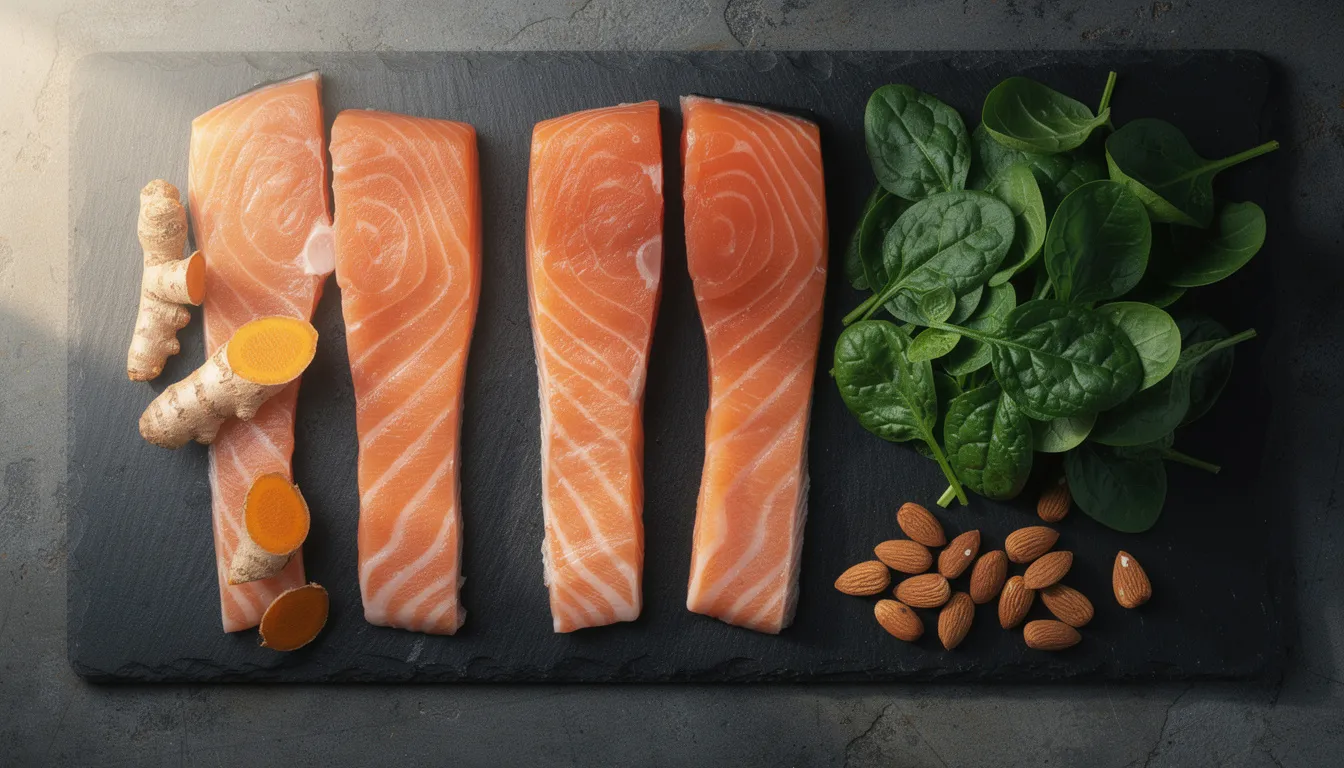
The most exciting anti aging supplements work best on a foundation of basic nutrient sufficiency. Deficiencies in common vitamins and minerals can undermine cellular function regardless of what specialized compounds you add.
Vitamin D functions more like a hormone than a typical vitamin, influencing calcium balance, immune function, and muscle health. It’s also a fat soluble vitamin, meaning it accumulates in the body and requires appropriate dosing. Population data consistently shows that many adults have suboptimal levels, especially those in higher latitudes, with limited sun exposure, or who spend most time indoors. Rather than guessing, testing vitamin D levels and working with a healthcare professional on individualized dosing is the evidence-based approach. Adequate vitamin D supports bone health, immune health, and may influence mood and mental health.
B-vitamins play critical roles in methylation, homocysteine metabolism, cellular energy production, and neuronal function. B12 deserves special attention—older adults often have reduced stomach acid, limiting B12 absorption from food. Vegans are at higher risk of deficiency since B12 comes primarily from animal sources. Folate and B6 work alongside B12 in pathways that support DNA repair and cell growth. Ensuring adequate B-vitamin status helps maintain normal cell division and repair processes essential for healthy lifespan.
Collagen is the most abundant structural protein in the body, found in skin, joints, bones, and connective tissues. Production naturally slows with age, contributing to visible skin changes and reduced joint comfort. Research on hydrolyzed collagen peptides suggests potential benefits for skin elasticity and joint health, though these aren’t cosmetic miracles—they’re supportive nutrients. Importantly, vitamin C, copper, and certain amino acids are necessary cofactors for collagen synthesis. Marine collagen from fish sources offers a high-quality, bioavailable option for those prioritizing this area of support.
Probiotics and gut health influence far more than digestion. The gut microbiome plays roles in immune balance, nutrient absorption, and systemic inflammation. Evidence suggests certain probiotic strains can improve markers like bowel regularity, aspects of immune function, and possibly mood through the gut-brain axis. However, strain specificity matters—different probiotic strains have different effects. A quality probiotic supplement should clearly identify strains and be matched to desired outcomes.
Baseline checks after age 40:
Vitamin D status (blood test for 25-hydroxyvitamin D)
B12 levels, especially for those with digestive issues or plant-based diets
General digestive health and regularity
Iron and ferritin if fatigue is a concern
Consideration of omega-3 intake through diet or supplementation
How to Choose and Use Cellular Health Supplements Safely
Dietary supplements should complement—not replace—the fundamentals of better health: quality sleep, a healthy diet rich in whole foods, regular exercise including resistance training, and effective stress management. With that foundation in place, thoughtful supplementation can provide additional support for cellular function.
Evaluating quality:
Look for third-party testing with available Certificates of Analysis
Choose products with clear labeling of active forms and dosages
Avoid proprietary blends that hide exact amounts of key ingredients
Prefer companies that provide transparency about sourcing and manufacturing
Evidence-based decision-making:
Prioritize supplements with human data in peer-reviewed journals, even if studies are small
Be skeptical of compounds with only animal or test-tube evidence
Focus on a few well-supported categories rather than dozens of compounds
Categories with stronger evidence include NAD+ support, omega-3s, vitamin D, magnesium, and established polyphenols
Personalization and medical guidance:
Consult a healthcare professional before starting new supplements, especially if you take prescription medications
Pregnancy, breastfeeding, and chronic health conditions require extra caution
Specific interactions to be aware of: anticoagulants with high-dose fish oil, polyphenols with certain medications, NAD+ boosters in some metabolic conditions
Individual response varies—what works for one person may not work the same way for another
Building a practical wellness routine:
Start with one supplement at a time to track effects
Monitor subjective changes (energy, sleep, exercise performance) and objective markers through bloodwork ordered by a clinician
Keep a simple supplement log to avoid duplication and accidental high doses
Re-evaluate every 3-6 months rather than assuming any supplement is “for life”
A practical decision path:
Start with baseline blood work (vitamin D, B12, metabolic panel)
Address any clear deficiencies first
Add foundational support (omega-3s, magnesium if diet is lacking)
Consider 1-2 targeted cellular health supplements based on goals
Review progress with a professional after 3-6 months
Integrating Supplements with a Longevity-Focused Lifestyle
Cellular health is shaped by daily inputs: movement, sleep, nutrition, relationships, and mental health. Supplements work best when they amplify what you’re already doing well—they can’t compensate for chronic sleep deprivation, poor nutrition, or sedentary living.
Key lifestyle levers that synergize with supplementation:
Resistance training 2-3x/week preserves muscle mass and mitochondrial density. Exercise itself boosts NAD+ turnover and stimulates mitochondrial biogenesis—the creation of new mitochondria. Creatine and adequate protein support these adaptations.
Aerobic activity supports cardiovascular and metabolic health, complementing the benefits of omega-3s and CoQ10. Even brisk walking counts.
Whole-food, plant-forward eating provides polyphenols, fiber, and adequate protein naturally. A diet rich in colorful vegetables, berries, fatty fish, and leafy greens delivers many of the compounds discussed in this guide.
Sleep hygiene is when much of cellular repair happens. Poor sleep undermines everything else, including the potential benefits of any supplement regimen.
Stress reduction practices like meditation, breathwork, or time outdoors influence inflammatory pathways and brain function. Managing stress response supports long term health benefits across multiple systems.
These healthy habits directly influence the same pathways targeted by supplements. Time-restricted eating can stimulate autophagy through similar mechanisms as spermidine. Exercise increases NAD+ and supports mitochondrial health. A whole-foods diet provides baseline polyphenols and antioxidants.

Think of cellular health as an experiment you’re conducting on yourself. Combine consistent training, nutrition, and a small, carefully chosen supplement stack. Track your progress over months, not days. Review results with a clinician or health coach who can help interpret the data and adjust course.
The aging process is complex and not fully controllable. No supplement can stop time or guarantee freedom from chronic diseases. But the science increasingly supports that thoughtful use of evidence-informed longevity supplements—built on a solid foundation of healthy habits—can support more resilient cells and a longer, healthier life. The goal isn’t to chase every new compound that appears in headlines. It’s to build a sustainable, personalized approach to health and longevity that serves you well for decades to come.


Comments