
Supplements for Brain Health and Longevity


Many adults between 40 and 70 take at least one supplement hoping to stay mentally sharp and independent as they age. Many people turn to supplements in hopes of achieving better health and longevity. The appeal is understandable—who wouldn’t want a simple daily capsule to protect their memory and focus? Yet the evidence behind most brain health supplements remains surprisingly mixed, and regulation is far less strict than most consumers realize. This article takes an evidence-based, non-hype approach to what current research actually suggests about supplements for cognitive function and longevity—and where significant uncertainty remains.
Supplements are only one piece of the brain-longevity puzzle. Sleep, physical activity, diet, stress management, and social connection consistently outperform any pill in rigorous studies. Expert advice from Harvard Medical School often highlights skepticism about supplement claims and emphasizes the importance of lifestyle factors over pills. At Vitruvin, we work in the longevity and brain health space, but this article avoids brand promotion and focuses entirely on science, safety, and practical guidance you can use regardless of what products you choose.
This is not medical advice. Before starting any supplement regimen, discuss your plan with a qualified clinician—especially if you take prescription medications or have chronic conditions like diabetes, heart disease, or kidney problems. Many supplement manufacturers make claims about brain health benefits, such as improving memory or preventing cognitive decline, but these are not always supported by rigorous scientific evidence.
How Brain Aging Works: What We’re Trying to Support
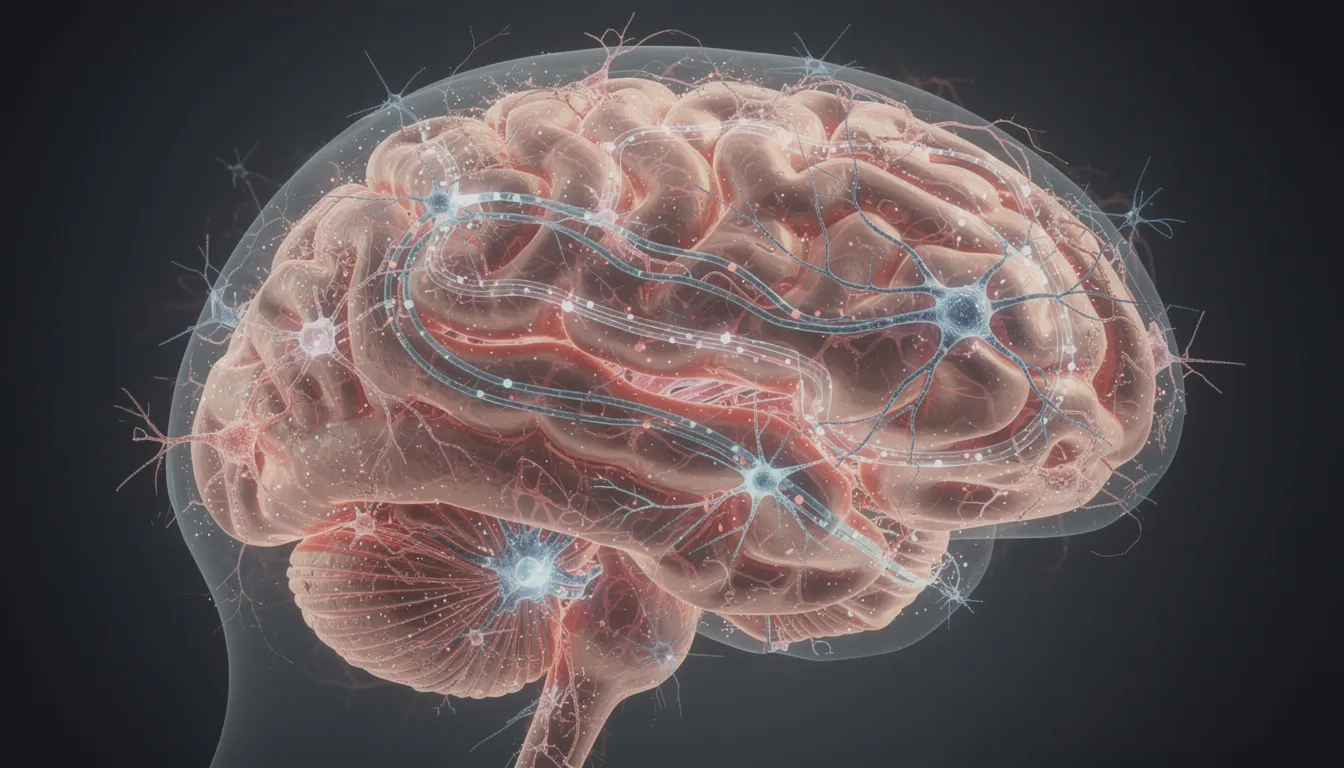
Age-related changes in brain structure and function begin earlier than most people expect. Subtle shifts in memory and processing speed can start in our 40s, decades before anything resembling dementia. Understanding these mechanisms helps explain what supplements claim to target—and why the evidence varies so widely.
Key mechanisms involved in brain aging:
Inflammaging: Low-grade chronic inflammation that accumulates over decades, damaging neurons and supporting cells
Oxidative stress: Imbalance between free radicals and antioxidants, leading to cellular damage in brain cells
Mitochondrial decline: Reduced energy production in the powerhouses of cells, affecting neuronal function
Reduced neuroplasticity: Decreased ability to form new connections and adapt to new information
Vascular changes: Stiffening arteries and reduced blood flow affecting oxygen and nutrient delivery to the brain
Loss of synaptic density: Fewer connections between neurons, impacting communication speed and efficiency
These processes directly affect daily life: your ability to recall names, sustain attention during meetings, process new information quickly, regulate mood, and maintain physical balance. Most supplements marketed for brain health claim to influence one or more of these mechanisms—but the strength of the evidence varies dramatically from compound to compound.
What the Research Says About Brain Supplements Overall
Large, well-controlled clinical trials frequently fail to match the claims found on supplement labels. Manufacturers of brain health supplements can claim their products help with mental alertness or memory loss without needing to back up those claims with evidence. This disconnect between marketing and evidence is particularly stark when it comes to preventing dementia or reversing cognitive decline in healthy adults.
Over the past two decades, several major randomized trials have tested popular brain supplements in thousands of participants. Researchers have conducted these studies to evaluate the effectiveness of supplements and analyze their impact on cognitive health. The results have often been neutral or modest at best for cognitively healthy older adults:
The GEM trial (Ginkgo Evaluation of Memory) followed over 3,000 older adults for nearly six years and found that ginkgo supplements did not significantly reduce dementia incidence compared with placebo
Large omega-3 supplementation trials in general populations have shown inconsistent effects on cognitive function
Isolated high-dose antioxidant trials (vitamin E, beta-carotene) have not delivered clear protective effects and, in some cases, raised safety concerns
How supplements are regulated:
In the United States and European Union, dietary supplements do not have to prove effectiveness before being sold. They cannot legally claim to prevent or treat specific diseases like Alzheimer’s disease, but labels can use vague terms like “supports memory” or “promotes cognitive function.” The FDA is considering a rule change that would relax how often disclaimers must appear on supplement labels, which could further diminish oversight. Consumers face a lot of misinformation when purchasing dietary supplements, making it difficult to rely on claims made on the labels. This creates a gap between what consumers assume and what science has demonstrated.
Many published studies are small, short-term, funded by manufacturers, or use doses different from commercially available products. Many brain health supplements are not supported by randomized clinical trials, which are considered the gold standard for research. This limits how confidently we can generalize findings to everyday supplement use.
The strongest evidence for brain longevity still comes from patterns of diet (Mediterranean or MIND diet), regular physical activity, quality sleep, and cardiovascular risk management. Supplements may play a supporting role—particularly for correcting deficiencies—but they’re unlikely to compensate for an otherwise unhealthy lifestyle. Additionally, many supplements are made from low-quality sources and can be contaminated with heavy metals.
Omega-3 Fatty Acids: Brain Structure, Mood, and Aging
DHA and EPA are omega 3 fatty acids that serve as structural components of brain cell membranes and play key roles in anti-inflammatory signaling throughout the body. The brain is roughly 60% fat by dry weight, and DHA is the most abundant omega-3 in neural tissue. The Mediterranean diet, which includes omega-3-rich fish, is linked to a lower risk of dementia.
Observational evidence is encouraging:
Higher fish intake—approximately one to two servings of fatty fish like salmon, sardines, or mackerel per week—is consistently associated with slower cognitive decline and lower risk of dementia across studies in the U.S., Europe, and Asia. The Chicago Health and Aging Project found that omega 3 consumption within a healthy lifestyle framework including diet, exercise, and cognitive engagement may help extend life expectancy and delay dementia. Higher omega-3 levels are also associated with increased brain volume and slower brain aging.
Randomized trials tell a more nuanced story:
Many large trials of taking fish oil supplements in older adults without major cognitive issues have not shown robust improvements in memory or dementia prevention. However, certain subgroups may derive modest benefit:
People with low baseline omega-3 intake
Those with specific genetic variants (like APOE4)
Individuals with mild cognitive impairment
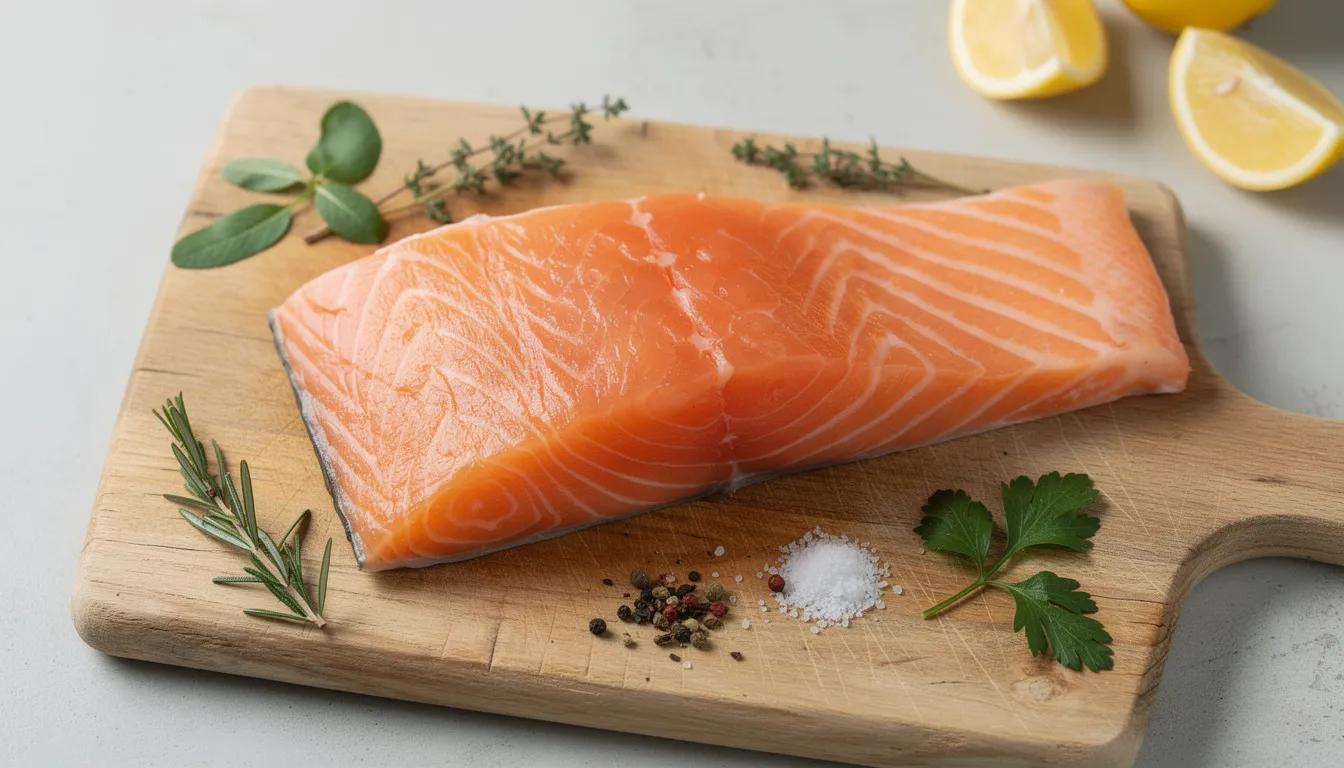
Good dietary sources of omega-3s include oily fish like salmon, tuna, and mackerel, as well as plant-based sources like chia seeds, flaxseed, walnuts, and vegetable oils. Eating a diet rich in berries, whole grains, and fish supports brain health as you age. Most healthy people should stick with food sources of nutrients rather than relying on supplements to support brain health.
Heart-health guidelines suggest approximately 250–500 mg combined EPA + DHA daily from diet, though some clinical research has used 1,000–2,000 mg/day. We’re not prescribing individual doses here—work with your doctor to determine what’s appropriate.
The body converts alpha-linolenic acid (ALA) into EPA or DHA, but only in small amounts, so the best way to get high amounts of EPA and DHA is by eating more fish. Omega-3 supplements made from fish oil haven't shown the same effect as eating fish.
Who might reasonably consider omega-3 supplements:
People who rarely eat fish
Vegans relying on algae-derived DHA/EPA
Those with clinician-identified low blood omega-3 index (measurable via a blood test)
Safety considerations:
Fish oil supplements can cause GI upset and fishy aftertaste. High-dose fish oil (above approximately 3,000 mg/day) has been associated with increased bleeding risk and should be medically supervised, especially if you take anticoagulants or blood-thinning medications.
Source |
EPA + DHA Content |
Additional Benefits |
|---|---|---|
3 oz wild salmon |
~1,500 mg |
Protein, vitamin D, selenium |
Fish oil capsule (typical) |
300–500 mg |
Convenient, shelf-stable |
Algae oil (vegan) |
200–500 mg |
Sustainable, no fish allergens |
B Vitamins, Homocysteine, and Cognitive Function
Vitamins B6, B9 (folic acid), and B12 are involved in one-carbon metabolism and help regulate homocysteine—an amino acid marker associated with both vascular and brain health. Elevated homocysteine correlates with brain atrophy and cognitive decline, making these vitamins particularly relevant for older adults.
Evidence in high-homocysteine populations:
Studies from the 2000s and 2010s found that B-complex supplementation slowed brain atrophy in specific regions and modestly supported certain memory measures in older adults with elevated homocysteine—especially when omega-3 status was also adequate. University Hospitals research notes that b vitamins can help prevent cognitive decline, improve memory, enhance mood, and slow Alzheimer’s-related brain atrophy.
The context matters enormously:
In people with normal B-vitamin status, additional high-dose supplementation has not consistently improved cognition. The foundation remains food: leafy greens, legumes, whole grains, eggs, dairy, and fortified cereals provide these nutrients in bioavailable forms.
Deficiency is relatively common in older adults:
B12 deficiency affects a significant portion of people over 60, often due to:
Reduced stomach acid production
Medications like metformin or proton-pump inhibitors
Conditions affecting absorption (Crohn’s disease, celiac disease)
Testing and supervised replacement are appropriate in these contexts.
What about multivitamins?
The COSMOS trial—one of the largest randomized controlled trials examining multivitamins and cognition—found small but measurable benefits. A meta-analysis pooling data from over 5,000 participants showed that daily multivitamin use was equivalent to slowing cognitive aging by approximately two years compared to placebo. The effects were modest but statistically significant for episodic memory.
Safety notes:
B-vitamins are water-soluble, but excessive doses (especially B6 above 100mg daily long-term) can cause peripheral neuropathy. Stick to evidence-based ranges and work with a clinician rather than megadosing.
Scenario |
Expected Benefit from Supplementation |
|---|---|
Documented B12 deficiency |
High—can prevent/reverse neurological symptoms |
Elevated homocysteine |
Moderate—may slow brain atrophy |
Adequate B-vitamin status |
Minimal—diet likely sufficient |
Antioxidants and Polyphenols: Resveratrol, Curcumin, and Friends
Oxidative stress—the imbalance between free radicals and the body’s antioxidant defenses—is heavily implicated in brain aging. This has made antioxidants and polyphenols some of the most heavily marketed compounds for brain health and longevity. Some supplements, such as curcumin and ginkgo biloba, may help reduce inflammation due to their antioxidant properties, which can contribute to improved overall health by decreasing inflammatory responses in the body. But the relationship between isolated supplements and real-world brain protection is complicated.
Resveratrol:
This polyphenol, found in red grapes, peanuts, and some berries, gained attention for its effects on sirtuin pathways in cellular and animal studies. In humans:
Small studies suggest potential benefits for cerebral blood flow and memory tasks
Doses typically used in research are much higher than what diet alone provides
Bioavailability is a significant challenge—much of ingested resveratrol is rapidly metabolized
Curcumin:
The main active ingredient in turmeric has documented anti-inflammatory and antioxidant properties. Curcumin has shown some promise in clinical studies for improving brain health, but research is mixed and more studies are needed. However:
Clinical studies on mood and cognition show mixed results
Bioavailability is extremely poor without specialized formulations (with piperine, liposomal forms, or nano-emulsions)
Most grocery-store turmeric supplements may not deliver therapeutic levels
Other antioxidant vitamins:
Large trials of isolated high-dose vitamin E for dementia prevention have not delivered clear protective effects. In some contexts (e.g., the SELECT trial examining vitamin E for prostate cancer), high doses raised unexpected safety concerns. Vitamin D plays a role in neuroprotection and brain plasticity, but supplementation appears most beneficial when correcting actual deficiency rather than pushing levels higher in adequate individuals.
The food-first principle:
Complex, plant-rich dietary patterns—berries, colorful vegetables, extra-virgin olive oil, herbs, spices—show stronger and more consistent associations with brain health than single isolated antioxidant pills. A diet rich in these foods provides thousands of synergistic compounds that supplements cannot replicate. Lion's Mane is a researched mushroom that supports brain plasticity and neurogenesis, making it a notable supplement for those interested in cognitive support.
Safety notes:
Curcumin may influence blood thinning and gallbladder function
High-dose antioxidant supplementation may paradoxically interfere with normal cellular signaling
GI upset is common with many polyphenol supplements

Herbal Nootropics: Ginkgo, Ginseng, Lion’s Mane, and Others
“Nootropics” refers to substances intended to support cognition—a category that includes everything from caffeine to obscure botanical extracts. Many herbal nootropics have centuries of use in traditional Chinese medicine and Ayurveda, but modern scientific evidence varies considerably.
Ginkgo biloba:
Despite widespread popularity, ginkgo supplements have not performed well in rigorous testing:
The GEM trial followed over 3,000 older adults for nearly six years
Ginkgo did not significantly reduce dementia incidence compared with placebo
Smaller studies may show subtle effects on circulation or memory tests
Overall evidence for prevention is weak
Panax ginseng:
This popular supplement shows mixed data from small studies:
Some evidence for modest effects on attention and fatigue
Results are inconsistent across trials
Quality and standardization of extracts vary widely between products
Lion’s mane (Hericium erinaceus):
This medicinal mushroom has generated interest for its potential nerve-growth-factor-stimulating properties:
Small human trials in older adults with mild cognitive impairment reported improvements on cognitive tests
Sample sizes are small, durations short
More independent replication is needed before drawing strong conclusions
Other common botanicals:
Bacopa monnieri: Preliminary evidence suggesting potential benefits for memory, primarily from short-term studies in specific populations
Rhodiola rosea: Some data on mental fatigue and stress resilience, but studies are limited
Ashwagandha: Emerging research on stress and cognitive performance, but evidence quality varies
Safety considerations:
Treat botanicals as pharmacologically active agents—because they are. Possible interactions exist with:
Anticoagulants and blood thinners
Blood pressure medications
Psychiatric drugs (antidepressants, anti-anxiety medications)
Have a physician or pharmacist review any herbal supplements before combining them with prescriptions.
Herb |
Evidence Strength |
Primary Concerns |
|---|---|---|
Ginkgo biloba |
Weak for prevention |
Bleeding risk, interactions |
Panax ginseng |
Mixed/preliminary |
Standardization varies, interactions |
Lion’s mane |
Preliminary |
Limited human data |
Bacopa monnieri |
Preliminary |
GI upset, fatigue |
Choline, Phospholipids, and Methyl Donors
Choline and related compounds support cell membranes, acetylcholine synthesis (critical for memory), and methylation pathways related to DNA repair and neuronal health. Amino acids, as the building blocks of proteins, are also crucial for collagen production and cellular health, supporting the structural integrity of brain and body tissues. These nutrients are essential but often overlooked in discussions of brain supplements.
CDP-choline (citicoline) and alpha-GPC:
These choline donors have been studied in older adults with cognitive complaints and vascular brain changes:
Some trials report improvements in attention or memory tests
Benefits appear most pronounced when underlying impairment exists
In many countries, higher-dose citicoline is regulated as a prescription medication, reflecting its pharmacologic activity
Phosphatidylserine:
This phospholipid is naturally found in neuronal membranes:
Small, older trials suggested potential benefits on memory tasks in older adults with age-related memory issues
More recent large-scale confirmatory trials are limited
Often derived from soy or sunflower lecithin
Methylation-related nutrients:
Choline, folate, B12, and compounds like trimethylglycine influence homocysteine levels and epigenetic regulation. These are often discussed alongside NAD⁺ boosters in longevity contexts. However, blanket supplementation without testing may not be necessary and could have downsides—particularly if methylation pathways are already functioning normally.
Food perspective:
Choline-rich foods include:
Eggs (one large egg contains ~150mg choline)
Soybeans and tofu
Beans and lentils
Cruciferous vegetables (broccoli, Brussels sprouts)
Diet is usually the first step unless a deficiency or specific therapeutic goal is identified by a clinician.
Safety notes:
Higher doses of choline donors can cause headaches, GI upset, or insomnia. Self-treating serious cognitive symptoms without medical evaluation is not advisable.
Vitamin D and Brain Function
Vitamin D is increasingly recognized as an essential nutrient for maintaining brain health and supporting cognitive function throughout life. Research has linked vitamin D deficiency to a higher risk of cognitive decline, mild cognitive impairment, and even Alzheimer’s disease, particularly in older adults. Vitamin D plays a vital role in regulating the growth, development, and maintenance of brain cells, helping to support healthy neural communication and protect against neurodegeneration.
Several studies have found that low levels of vitamin D are associated with impaired brain function and a greater likelihood of developing dementia. According to Harvard Men’s Health Watch, older adults with insufficient vitamin D may benefit from supplements to help prevent cognitive decline, especially if they are unable to get enough through sunlight or diet alone. However, it’s important to note that while vitamin D supplementation can be beneficial for those with a deficiency, excessive intake can lead to adverse effects, so it’s crucial to consult with a doctor before starting any new supplement regimen.
A healthy diet rich in vitamin D can also help support brain health and reduce the risk of cognitive decline. Foods such as fatty fish (like salmon and sardines), fortified dairy products, and leafy greens are excellent sources of vitamin D and can be incorporated into daily meals to help maintain optimal levels. By prioritizing a diet rich in these nutrients and working with your healthcare provider to monitor vitamin D status, you can take proactive steps to support brain function and overall health as you age.
Phosphatidylserine and Brain Health
Phosphatidylserine is a naturally occurring phospholipid that forms a critical part of cell membranes, especially in brain cells. As we age, levels of phosphatidylserine in the brain tend to decline, which can impact cognitive function and increase the risk of cognitive decline and mild cognitive impairment. Clinical studies, including those supported by the National Institutes of Health, have shown that phosphatidylserine supplements may help improve cognitive function in older adults, particularly those experiencing memory lapses or early signs of cognitive impairment.
Supplementation with phosphatidylserine has been associated with improvements in memory, mood, and focus, and may offer neuroprotective benefits that help reduce the risk of Alzheimer’s disease and other neurodegenerative conditions. These potential benefits make phosphatidylserine a promising option for those looking to support brain health as they age. However, it’s essential to choose high-quality supplements from reputable manufacturers, as some products may be contaminated with heavy metals or other impurities.
In addition to supplements, a diet rich in phosphatidylserine can also support brain health. Foods such as soybeans, fish, and egg yolks are natural sources of this important nutrient and can be included as part of a balanced, brain-healthy diet. As with any supplement, it’s important to consult with your doctor before starting phosphatidylserine, especially if you are taking other medications or have underlying health conditions. By combining a diet rich in phosphatidylserine with evidence-based supplementation when appropriate, you can help maintain cognitive function, support memory and mood, and promote overall brain health as you age.
Caffeine, L-Theanine, and Everyday “Smart” Stimulants
Caffeine is the world’s most widely used psychoactive substance, with well-documented short-term benefits for alertness, reaction time, and perceived focus. For many adults, it’s their first and most effective daily nootropic.
How caffeine works:
Caffeine blocks adenosine receptors, reducing sleep pressure and temporarily increasing dopamine and norepinephrine in certain brain regions. The result is improved vigilance and reduced perception of mental fatigue.
Long-term brain health evidence:
Observational data links moderate coffee and tea consumption (approximately 1–3 cups per day) with:
Lower risk of cognitive decline in some cohorts
Reduced Parkinson’s disease incidence
Potential protective effects independent of other lifestyle factors
However, correlation does not prove causation—coffee drinkers may differ from non-drinkers in other health-relevant ways.
L-theanine:
This amino acid found in green tea may smooth caffeine’s stimulating effects:
Small studies show improved attention and reduced subjective stress when caffeine and L-theanine are combined
The ratio in green tea (roughly 1:2 caffeine to L-theanine) may explain why tea feels “calmer” than coffee
Supplements typically provide 100–200mg L-theanine
Cautionary notes:
High-dose caffeine powders or pills can cause heart rhythm issues, anxiety, insomnia, and blood pressure spikes
Individual sensitivity varies enormously
Those with anxiety disorders, heart conditions, or sleep problems should be especially careful
Source |
Caffeine Content |
Additional Compounds |
|---|---|---|
8 oz brewed coffee |
80–100 mg |
Antioxidants, chlorogenic acid |
Caffeine pill (typical) |
100–200 mg |
Caffeine only |
8 oz green tea |
25–50 mg |
L-theanine, catechins |
NAD⁺, Mitochondrial Health, and Longevity-Oriented Compounds
NAD⁺ (nicotinamide adenine dinucleotide) is a coenzyme central to energy production and DNA repair in every cell. Levels tend to decline with age across many tissues, which has driven substantial interest in NAD⁺ precursors as longevity supplements.
Common NAD⁺ precursors:
Nicotinamide riboside (NR): A form of vitamin B3 that raises NAD⁺ levels
Nicotinamide mononucleotide (NMN): Another NAD⁺ precursor with growing research interest
Human trials have reliably shown that these compounds increase blood NAD⁺ levels over weeks of supplementation. This much is well-established.
The evidence gap:
As of the mid-2020s, evidence for concrete improvements in clinical outcomes remains emerging and mixed:
Many studies are small and short-term
Participants are often healthy adults or those with mild impairments
Hard endpoints (mobility improvements, cardiovascular events, dementia prevention) require longer, larger trials
Scientific interest remains high in how NAD⁺-related pathways might influence neuronal resilience, mitochondrial function, and neuroinflammation. But robust data on substantial cognitive enhancement or dementia prevention are not yet available.
Potential concerns:
Interactions with methylation (increased demand for methyl donors like choline and B vitamins)
Unknown long-term effects at high doses
Medical supervision is important for people with cancer history or complex metabolic diseases
Context is everything:
NAD⁺ precursors can be considered experimental longevity supplements that may be reasonable for some informed adults in collaboration with their clinicians. They are not a substitute for sleep, exercise, and vascular risk control—the interventions with the strongest evidence base for cellular health and brain longevity.
Quality, Purity, and Safety: How to Choose Brain Supplements Wisely
Because regulation is less strict for dietary supplements than pharmaceuticals, consumers must actively evaluate quality and safety. A product on the shelf at your local pharmacy has not necessarily been tested for efficacy, and what’s on the label may not match what’s in the bottle.
Practical criteria for selecting products:
Third-party testing: Look for Certificates of Analysis from independent labs testing for heavy metals, microbial contamination, and label accuracy
Transparent ingredient lists: Avoid proprietary blends where individual doses are hidden
Realistic dosages: Compare to amounts used in clinical studies
Standardized extracts: For botanicals, look for specified percentages of active ingredients
Batch numbers: Indicates quality control systems are in place
Check for interactions:
Many brain supplements can interact with common medications:
Blood thinners (ginkgo, omega-3s, vitamin E)
Blood pressure medications (ginseng, licorice root)
Antidepressants (St. John’s wort, 5-HTP)
Anti-seizure drugs (various herbs and high-dose vitamins)
Bring your supplement labels to your next medical appointment.
Avoid “mega-stack” cognitive formulas:
Products combining 20+ ingredients at token doses are almost impossible to study rigorously. They may increase side-effect risk, interaction potential, and cost without providing the efficacy you’d see from individual compounds at proper doses.
Before you buy any brain supplement, ask:
What specific benefit am I hoping for?
Is there clinical research supporting this compound for my situation?
Is this dose consistent with study protocols?
Has this product been third-party tested?
Have I checked for interactions with my medications?
Would my doctor agree this is reasonable?
Lifestyle Foundations That Outperform Most Pills
Across decades of research, certain lifestyle behaviors have a stronger evidence base for maintaining brain function and delaying cognitive decline than any single supplement. These foundations are not optional add-ons—they’re the core of any serious brain longevity strategy.
The five pillars:
-
Regular physical exercise
150 minutes/week of moderate aerobic activity (brisk walking, cycling, swimming)
Two strength training sessions per week
Evidence shows exercise improves blood flow, supports neuroplasticity, and may stimulate brain-derived neurotrophic factor (BDNF)
-
Mediterranean-style or MIND diet
Emphasizes vegetables, fruits, whole grains, fish, olive oil, nuts
Limits red meat, processed foods, added sugars
Associated with lower dementia risk in observational studies
-
Quality sleep
7–9 hours with consistent timing
Sleep is when the brain clears metabolic waste
Poor sleep is linked to accelerated brain aging and amyloid accumulation
-
Cognitive challenge
Learning languages, musical instruments, complex games
Novel activities that push beyond routine
“Use it or lose it” principle supported by research
-
Social connection
Regular meaningful interaction with others
Associated with lower dementia risk and better mood
Isolation is a risk factor for cognitive decline
The FINGER trial:
This Finnish study demonstrated that multi-domain lifestyle intervention (diet, exercise, cognitive training, vascular risk management) slowed cognitive decline in at-risk older adults. Similar trials worldwide have replicated aspects of these findings, establishing that comprehensive lifestyle approaches work.
How supplements fit in:
Supplements may add incremental benefit when layered onto these foundations—particularly for correcting deficiencies or supporting specific pathways. But they cannot compensate for chronic inactivity, poor diet, or untreated hypertension or diabetes.
Consider tracking your lifestyle habits with journals, wearables, or habit apps to stay accountable.

How to Build a Personalized Brain-Longevity Plan
Effective brain health strategies are individualized based on age, genetics, lab markers, symptoms, medications, and goals. Someone seeking sharper focus for demanding work has different needs than someone primarily concerned about long-term dementia risk.
Step-by-step framework:
Step 1: Establish lifestyle basics
Optimize sleep quality and duration
Incorporate regular movement and exercise
Follow a diet rich in vegetables, fish, and whole foods
Manage blood pressure and glucose control
Step 2: Get baseline labs with your clinician
B12 and folate levels
Vitamin D status
Lipid panel
Inflammation markers (hsCRP)
Possibly homocysteine if risk factors present
Consider omega-3 index testing
Step 3: Identify clear targets
Are you correcting a documented deficiency?
Supporting omega-3 status due to low fish intake?
Addressing subjective cognitive complaints?
Seeking better focus or mental sharpness?
Step 4: Introduce one supplement at a time
Use evidence-based doses from clinical research
Track effects and side effects over at least 4–8 weeks
Keep a simple journal noting energy, mood, sleep, and any symptoms
Step 5: Reassess with your clinician
Review whether the supplement is providing measurable benefit
Adjust or discontinue if there’s no clear improvement
Avoid the trap of indefinitely accumulating supplements
Professional guidance helps:
Neurologists, geriatricians, functional or integrative clinicians, and qualified nutrition professionals can interpret evidence, lab results, and potential interactions in ways that general reading cannot replace.
Personalized health coaching can support people in their 40s–70s who are trying to navigate complex choices without over-supplementing or falling for marketing hype.
Conclusion: Using Supplements Thoughtfully for Brain Health and Longevity
Brain supplements can modestly support cognitive function in specific contexts—correcting deficiencies, supporting omega-3 intake in non-fish eaters, or targeted use of certain well-studied compounds. But they are not stand-alone solutions and have not been proven to prevent or cure dementia.
The most impactful steps for brain longevity remain consistent lifestyle foundations: regular exercise, quality sleep, a plant-rich healthy diet, cardiovascular risk management, and ongoing mental and social engagement. Evidence-informed, individualized supplementation can complement these foundations when used thoughtfully.
Adopt a “test, don’t guess” mindset. Work with health professionals, use lab data and structured self-monitoring, and periodically reevaluate whether each supplement is still warranted. The potential benefits of any supplement should be weighed against cost, side effects, and the opportunity cost of focus and resources.
Investing in brain health is a long-term, iterative process. The thoughtful, science-based decisions you make in your 40s, 50s, and 60s can meaningfully influence how you think, feel, and function decades later. Start with the foundations, add targeted support where evidence and your individual situation warrant it, and stay curious about emerging research—without chasing every new trend that promises cognitive miracles.


Comments