
NAD Booster Supplement: Your Guide to Cellular Energy and Healthy Aging


If you’ve spent any time exploring the longevity space recently, you’ve likely encountered NAD⁺—short for nicotinamide adenine dinucleotide. Since around 2018, when major publications like TIME magazine began covering the science behind this molecule, NAD boosters have moved from obscure research labs into mainstream wellness conversations.
So what exactly is an NAD booster supplement? At its core, these are compounds—typically vitamin B3 derivatives like nicotinamide riboside (NR), nicotinamide mononucleotide (NMN), or direct NAD⁺ forms—designed to raise NAD⁺ levels in your cells. The premise is straightforward: research shows NAD⁺ plays essential roles in energy production, DNA repair, and cellular stress responses, and levels appear to decline with age.
This guide takes an evidence-based approach, summarizing what current human and animal research suggests while being transparent about where the science remains uncertain. At Vitruvin, we believe in education first—understanding what NAD⁺ does, how supplements may support it, and where the gaps in knowledge exist. That said, NAD boosters are not cures or treatments for diseases. Before starting any new dietary supplement regimen, discussing your plans with a healthcare professional is essential.
Key Takeaways:
NAD⁺ is a coenzyme present in every living cell, essential for converting food into cellular energy
Research shows NAD levels decline with age, potentially contributing to reduced cellular resilience
NAD supplements like NR and NMN have been generally well tolerated in short-term studies at typical doses
Current evidence is promising but limited—most robust data comes from animal studies
Lifestyle factors like regular exercise, sleep, and nutrition remain foundational for healthy aging
What Is NAD⁺ and Why Does It Matter for Cellular Energy?
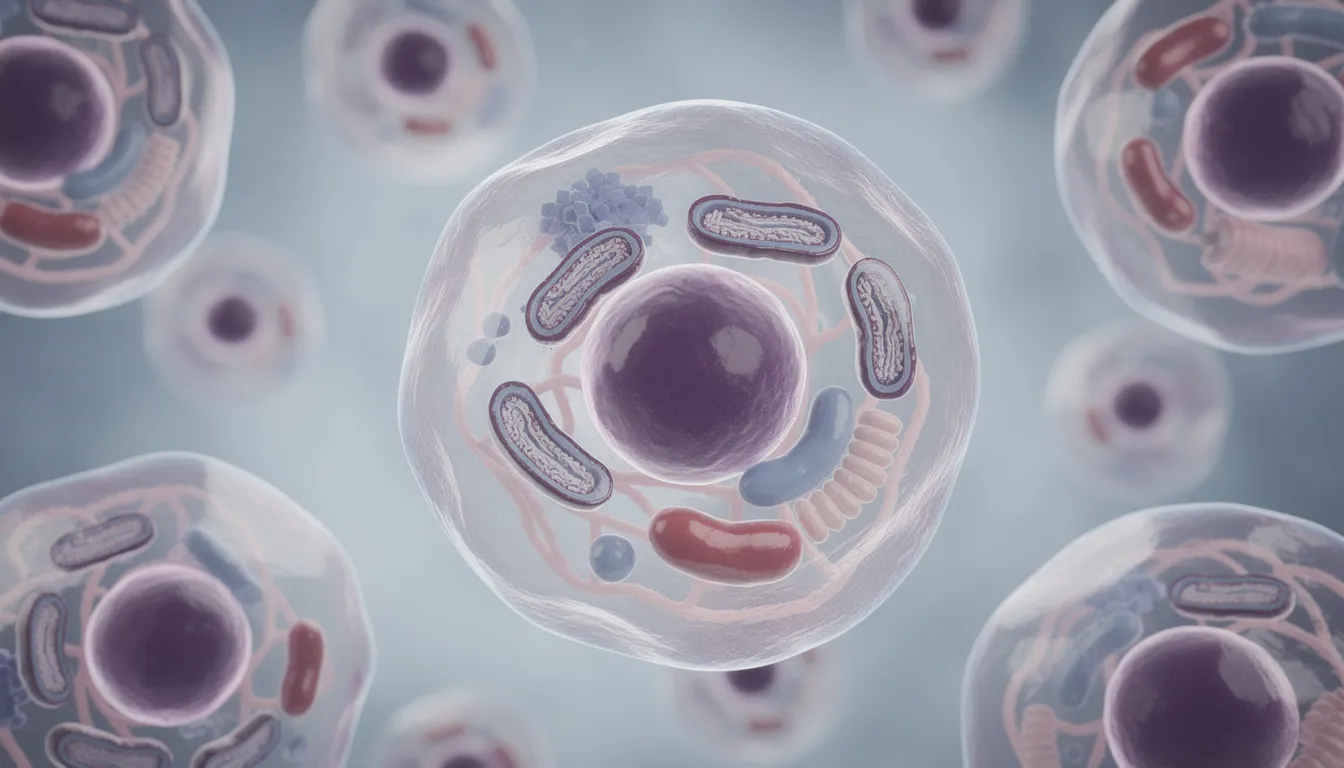
NAD⁺ is a coenzyme found in every living cell in your body. NAD⁺ is a molecule that exists in every living cell and helps convert the food you eat into energy your cells can use. Think of it as a molecular shuttle bus that transports electrons between reactions, enabling your cells to convert the food you eat into adenosine triphosphate (ATP)—the energy currency your body runs on.
This process happens primarily in your mitochondria, often called the “powerhouses” of your cells. During energy production, NAD⁺ accepts electrons to become its reduced form, NADH. This NADH then delivers those electrons to the electron transport chain, where ATP is ultimately generated through a process called oxidative phosphorylation. The NAD⁺/NADH pair works like a rechargeable battery, constantly cycling between forms to keep energy flowing.
But energy production is only part of the story. NAD⁺ also serves as a substrate for several important enzyme families:
Sirtuins (SIRTs): Often called “longevity genes,” these enzymes regulate DNA repair, chromatin remodeling, and cellular stress responses. NAD⁺ is essential for DNA repair and other cellular maintenance processes that help keep the body functioning properly.
PARPs (Poly ADP-ribose polymerases): Critical for DNA damage repair
CD38: Involved in calcium signaling and immune function
NAD⁺ is also involved in mitochondrial energy production, which is crucial for cellular health, and plays a role in regulating stress response pathways, including sirtuins and PARPs.
Here’s the catch—when these enzymes use NAD⁺, they consume it irreversibly, breaking it down into nicotinamide and other byproducts. Your body must constantly replenish its NAD⁺ supply.
Your body synthesizes NAD⁺ through multiple pathways, primarily from dietary vitamin B3 forms including niacin, nicotinamide, and nicotinamide riboside. The dominant route is the “salvage pathway,” which recycles nicotinamide—a process controlled by an enzyme called NAMPT. Whether diet alone provides sufficient NAD⁺ precursors as we age is one of the central questions driving supplement research. Maintaining optimal NAD⁺ levels is important for the body's ability to regulate metabolic processes, repair DNA, and support overall health.
How NAD⁺ Levels Change With Age and Lifestyle
Multiple studies in both animals and humans demonstrate that NAD levels decline as we get older. This age related decline appears to begin in mid-adulthood—roughly your 40s to 50s—and may contribute to reduced cellular resilience over time.
Research from institutions including Harvard and the NIH has shown that by middle age, NAD⁺ levels can drop to approximately half of youthful levels. This decline has been linked to:
Increased activity of NAD⁺-consuming enzymes like CD38
Reduced efficiency of NAD⁺ biosynthesis
Accumulated cellular damage requiring more DNA repair resources
Several lifestyle and environmental factors appear associated with lower NAD⁺ levels:
Chronological aging, with progressive decline starting mid-life
Chronic overnutrition causing increased metabolic stress on cells
Sedentary lifestyle leading to reduced mitochondrial biogenesis
Poor sleep quality disrupting circadian-NAD⁺ connections
Heavy alcohol intake increasing NAD⁺ consumption for metabolism
Metabolic conditions raising cellular repair demands
Researchers have linked declining NAD⁺ to mitochondrial dysfunction, impaired DNA repair capacity, and increased markers of metabolic and oxidative stress. Animal studies from the mid-2010s demonstrated that age-related NAD⁺ decline correlates with measurable changes in mitochondrial function—changes that, in some models, could be partially reversed with NAD⁺ precursor supplementation.
However, it’s important to maintain perspective. These associations do not prove that declining NAD⁺ directly causes specific diseases. The relationship between NAD⁺ levels, aging, and health outcomes involves complex interactions that scientists are still working to understand. More long-term human data is needed before we can draw firm conclusions about causal relationships.
Types of NAD Boosters: NR, NMN, NAD⁺, NADH and More
When people talk about “NAD booster” supplements, they’re usually referring to compounds that increase cellular NAD⁺ levels. Most are vitamin B3 derivatives that serve as precursors—raw materials your body can convert into NAD⁺.
Here’s a breakdown of the main categories:
Nicotinamide Riboside (NR)
Nicotinamide riboside nr is a patented form of vitamin B3 that has been studied in multiple human trials since the mid-2010s. When you take NR supplements, enzymes called NRK1 and NRK2 phosphorylate it into NMN, which is then converted to NAD⁺. NR supplementation has been shown to raise blood NAD⁺ levels in humans, and it remains one of the most researched NAD precursor options currently available as a dietary supplement.
Nicotinamide Mononucleotide (NMN)
Nicotinamide mononucleotide nmn sits one step closer to NAD⁺ in the biosynthesis pathway, meaning it requires fewer conversion steps. Animal research on NMN has been particularly promising, showing improvements in insulin sensitivity, physical activity, and mitochondrial function in aged mice. Early studies in humans suggest oral NMN can raise blood NAD⁺ levels by 40-100% within weeks.
However, a significant regulatory development occurred in 2022 when the FDA determined that NMN is excluded from the dietary supplement definition due to prior drug investigation. This has led many major U.S. retailers to restrict NMN products while regulatory discussions continue—though it remains available through various channels.
NAD⁺ and NADH Capsules
Direct NAD⁺ and NADH capsules are marketed as supplements, but current evidence suggests that precursors like NR and NMN are generally better absorbed and more extensively studied. The NAD⁺ molecule is relatively large and may not survive digestion intact as effectively as its precursors.
Other B3 Forms
Standard vitamin B3 forms—nicotinic acid (niacin) and nicotinamide—can support NAD⁺ levels. However, high doses of niacin famously cause the “niacin flush” (skin flushing, warmth, itching), and these forms are less targeted for longevity applications compared to NR or NMN.
Non-Pill Approaches
IV NAD⁺ infusions and nasal sprays also exist but are more invasive, considerably more expensive, and should be overseen by medical professionals due to limited standardized data on safety and efficacy.
NAD Booster Comparison:
NR: Typical study doses 250-1,000 mg/day; well-studied; available as dietary supplement
NMN: Typical study doses 250-500 mg/day; promising data; U.S. regulatory status uncertain
NAD⁺/NADH: Varies; less absorption data; limited human studies
Niacin (NA): Typical study doses 500-2,000 mg/day; may cause flushing; less targeted for longevity
Nicotinamide: Typical study doses 250-500 mg/day; may inhibit sirtuins at high doses
What the Science Says: Potential Benefits of NAD Booster Supplements
Before exploring potential benefits, it’s essential to understand where the evidence stands. Most robust findings come from animal and cell studies. Human data is growing but remains limited in sample size, duration, and population diversity. Taking NAD supplements may offer support, but we cannot yet draw firm conclusions about long-term outcomes.
Cellular Energy and Day-to-Day Vitality
The theoretical foundation is straightforward: raising NAD⁺ should support mitochondrial function and ATP production, potentially translating to more energy at the cellular level.
Small human studies have shown that NR or NMN supplementation can increase NAD⁺ levels—often by 40-90% in the short term. Some trials have reported improvements in exercise capacity or fatigue scores among participants, though not all studies show subjective energy improvements.
Research shows these effects tend to be subtle rather than dramatic. Unlike caffeine, which provides an immediate stimulant effect, NAD supplementation may support cellular energy production in ways that become more noticeable over weeks to months. If you’re expecting to feel great with instant energy the day after starting supplementation, you may be disappointed.

Metabolic Health and Blood Sugar Regulation
Some of the more interesting human research involves metabolic health markers. A 2021 trial in prediabetic middle-aged women given NMN showed improved muscle insulin sensitivity—an encouraging finding given the prevalence of metabolic disease in aging populations.
Animal studies have shown even more dramatic effects, with NMN supplementation improving insulin sensitivity by 30-50% in some models and suppressing age-related adipose inflammation.
However, evidence remains mixed. Some trials in people with obesity or insulin resistance found little to no effect on glucose control or body composition. The relationship between NAD⁺ levels, blood sugar regulation, and metabolic syndrome appears more nuanced than early research suggested.
Critically, NAD boosters are not treatments for diabetes or metabolic conditions. Lifestyle changes—nutrition, physical activity, quality sleep—have much stronger and better-established impacts on metabolic health than any supplement currently available.
Brain Health, Cognitive Function, and Mood
Neurons are among the most energy-demanding cells in your body, making them potentially vulnerable to declining NAD⁺ levels and mitochondrial dysfunction. NAD⁺-dependent pathways also play roles in managing oxidative stress and supporting cellular health in brain tissue.
Early research—including small trials and case series in neurodegenerative conditions like Parkinson’s disease and mild cognitive impairment—has reported potential improvements in certain symptoms or biomarkers after NAD precursor use. However, these findings are preliminary and require larger, longer studies to validate.
Animal studies have shown that NAD⁺ boosting can reduce neuroinflammation and improve learning and memory task performance. While intriguing, extrapolating directly from mice to humans requires caution.
The honest take: NAD boosters are one of several tools being explored for long-term brain health support, but they are not established therapies for cognitive conditions.
Skin, DNA Repair, and Visible Signs of Aging
NAD⁺ supports enzymes involved in DNA damage repair and cellular stress responses—processes relevant to how skin ages. UV exposure, for instance, creates DNA damage that requires NAD⁺-dependent repair mechanisms to address.
Experimental and early clinical work suggests NAD⁺ modulation (both oral and topical) may improve certain markers related to photoaging. However, large, long-term trials examining cosmetic outcomes are lacking.
The science here supports the idea that NAD⁺ plays a role in the body’s ability to repair cellular damage, but we’re still early in understanding how supplementation translates to visible anti aging effects in humans.
NAD Supplementation and Overall Health
NAD supplementation is increasingly recognized for its potential to support overall health by targeting the very foundation of cellular health. By increasing NAD levels through dietary supplements such as nicotinamide riboside (NR) and nicotinamide mononucleotide (NMN), individuals may experience a range of health benefits that extend beyond just energy production. Enhanced NAD levels can help optimize metabolic function, reduce oxidative stress, and strengthen the body’s ability to repair DNA damage—key factors in maintaining vitality as we age.
Research suggests that NAD supplementation may contribute to improved insulin sensitivity and better blood sugar regulation, both of which are crucial for metabolic wellness. Additionally, supporting NAD levels has been linked to healthier muscle composition and may help counteract some of the age-related decline in physical performance. These effects are particularly relevant for those seeking anti-aging strategies, as NAD levels naturally decrease over time, potentially impacting how our bodies respond to metabolic stress and cellular damage.
As a dietary supplement, NAD can be taken in forms like NR and NMN, both of which act as effective NAD precursors. By incorporating these supplements into a balanced health routine, individuals may be able to support their energy, muscle health, and overall well-being, while also promoting the body’s natural defenses against DNA damage and the visible effects of aging.
Safety, Side Effects, and Long-Term Uncertainties
In short- and medium-term human studies—typically 8-24 weeks—NR and NMN at doses like 250-1,000 mg/day have been generally well tolerated. When side effects occur, they tend to be mild:
Nausea or digestive upset
Mild flushing
Headache
Sleep disturbances (particularly with evening dosing)
Theoretical Concerns
Because NAD⁺ fuels many cellular processes, including cell growth and division, researchers have raised theoretical concerns about whether high-dose NAD⁺ boosting could potentially support the growth of pre-existing cancer cells. Some animal and mechanistic studies have explored this question.
Current expert consensus generally advises that people with active cancer, a strong cancer history, or those undergoing chemotherapy or radiation should avoid high doses of NAD boosters unless under specialist supervision.
Drug Interactions
NAD supplements may interact with certain medications affecting:
Blood sugar regulation
Blood pressure
Blood thinning
Chemotherapy agents
If you take prescription medications, discussing NAD supplementation with your physician or pharmacist before starting is essential.
Long-Term Data Gaps
Perhaps the most important caveat: long-term (multi-year) safety data in diverse populations simply don’t exist yet as of 2024-2025. This is why cautious, moderate dosing and regular follow-up with healthcare professionals make sense for anyone considering NAD⁺ supplementation.
Safety Snapshot:
People who should be cautious include:
People with active cancer due to theoretical concerns about supporting cell growth
Those on chemotherapy or radiation because of potential interactions
Pregnant or breastfeeding individuals due to limited safety data
People on blood sugar medications due to possible interactions
Those with liver or kidney disease due to altered metabolism possible
Regulation, Quality, and How to Choose a NAD Booster Supplement
Dietary supplements are regulated differently from prescription drugs in the U.S., EU, and other regions. There’s no pre-market approval for efficacy—manufacturers are responsible for ensuring safety and label accuracy, but verification happens after products reach the market.
As mentioned earlier, the 2022 FDA decision regarding NMN has complicated the U.S. supplement landscape. While NAD⁺, NR, niacin, and nicotinamide remain available as dietary supplements, quality varies dramatically between brands.
Evaluating NAD Boosters: A Practical Checklist
Look for NAD boosters with these qualities:
Third-party testing: Certificates of Analysis from ISO-accredited labs verifying purity, potency, and absence of heavy metals or contaminants
Transparent labeling: Fully disclosed ingredient lists—no proprietary blends for the active NAD precursor—and clearly stated dosages per capsule
Clean formulations: No unnecessary additives, allergens, or animal-derived ingredients if you prefer vegan or hypoallergenic options
Company transparency: Access to batch-level testing results and clear contact information for the manufacturer
Price reality check: Extremely cheap NAD boosters may underdose the active ingredient or not contain what the label claims. Science-backed sourcing of high-purity (>99%) ingredients costs money
When evaluating clinical nutrition products in this space, remember that the longevity supplement market is projected to reach $1-2 billion by 2030—growth that unfortunately attracts both quality-focused brands and opportunistic ones.
How to Use NAD Boosters Wisely: Dosage, Timing, and Stacking
There is no official recommended daily allowance (RDA) for NR or NMN. Most human trials have used approximately 250-1,000 mg per day, often taken in one or two doses.
Starting Recommendations
For most healthy adults exploring NAD supplementation for the first time:
Start at the lower end of typical study ranges (250 mg/day)
Monitor how you feel over 2-4 weeks
Adjust only with guidance from a healthcare professional
Consider periodic breaks or cycling (though optimal protocols aren’t established)
Timing Considerations
Current evidence doesn’t definitively favor one timing approach over another, but practical considerations include:
Morning dosing: May be preferable for those who experience sleep disruption
With food: Generally improves tolerability and may support absorption
Consistency: Taking supplements at the same time daily helps establish routine
Stacking With Other Supplements
The concept of “stacking” NAD boosters with other longevity-focused nutrients—like resveratrol, spermidine, or coenzyme Q10—is popular in the longevity community. The rationale often involves synergistic activation of pathways like sirtuins.
However, research on specific combinations remains limited. If you’re interested in combining supplements:
Don’t exceed labeled dosages of any single product
Avoid combining multiple NAD-raising supplements at high doses
Discuss combinations with a healthcare professional, especially if you take medications or have chronic health conditions
Example Regimen (Illustrative Only—Not a Prescription):
A healthy adult discussing options with their doctor might consider:
250-500 mg NR in the morning with breakfast
Standard multivitamin providing B-vitamins
Lifestyle strategies outlined in the next section
Regular check-ins with healthcare provider
Beyond Pills: Lifestyle Strategies to Support NAD⁺ and Healthy Aging
Even the most well-designed supplement works within a larger context. The foundations of cellular health—sleep, nutrition, exercise, and stress management—likely have greater impact on overall health than any single supplement.
Physical Activity
Regular exercise, particularly a combination of aerobic and resistance training, has been shown to support mitochondrial biogenesis and may help maintain NAD⁺-related pathways. Some research suggests exercise can boost eNAMPT (extracellular NAMPT) release, potentially supporting NAD⁺ levels in distant tissues.

Nutrition and Eating Patterns
Dietary patterns rich in whole plant foods, adequate protein, and natural B-vitamin sources support NAD⁺ metabolism. Good food sources include:
Legumes and whole grains
Nuts and seeds
Certain vegetables
Fish and lean meats (for omnivores)
Dairy products
Time-restricted eating or moderate caloric balance—where medically appropriate—has shown links to sirtuin activity and NAD⁺ metabolism in animal and early human studies.
Sleep Quality
Circadian rhythms and NAD⁺ levels are intertwined through clock genes and metabolic pathways. Prioritizing consistent, quality sleep supports these natural cycles.
Stress Management
Chronic stress signaling may indirectly impact cellular health. Practices like mindfulness, breathing exercises, and meaningful social connection aren’t just “nice to have”—they may genuinely influence metabolic stress at the cellular level.
Sample “NAD⁺-Friendly Day”:
7:00 AM: Wake, morning light exposure
7:30 AM: NAD booster supplement with breakfast
12:00 PM: Lunch with B-vitamin-rich foods
5:00 PM: 30-45 min exercise (mix of cardio and resistance)
7:00 PM: Dinner within reasonable eating window
9:00 PM: Wind-down routine, limit blue light
10:30 PM: Sleep
Importance of NAD Booster
Choosing a NAD booster, such as NR or NMN, can be a strategic step for those aiming to enhance their NAD levels and support overall health. NAD supplements provide the essential building blocks your body needs to maintain optimal NAD levels, which are vital for a wide range of cellular processes. By taking a NAD booster, you may notice improvements in energy levels, making it easier to stay active and engaged in regular physical activity.
Beyond supporting daily vitality, NAD boosters have been associated with better body composition and improved insulin sensitivity—factors that play a significant role in reducing the risk of metabolic disease. These supplements may also help manage inflammation and support the body’s natural repair mechanisms, contributing to a healthier, more resilient body as you age.
NAD supplements are generally considered safe for most healthy adults, but it’s always wise to consult with a healthcare professional before starting any new supplement regimen. This ensures that your approach is tailored to your unique health needs and that any potential interactions with other supplements or medications are carefully managed. By making NAD boosters part of a comprehensive wellness plan, you can support your body’s energy, metabolic health, and overall well-being.
Who Might Consider a NAD Booster—and Who Should Be Cautious
People Who Often Explore NAD Boosters
Adults aged 40-70 interested in longevity and maintaining cellular health
Those experiencing persistent low energy despite normal lab values
Individuals focused on metabolic or brain aging prevention
People already optimizing lifestyle factors who want additional support
This is not a medical recommendation—simply an observation of who tends to explore these supplements.
Groups Requiring Extra Caution
Medical supervision essential:
Active cancer diagnosis
Autoimmune disease
Liver or kidney disease
Cardiovascular conditions
Neurodegenerative disorders
Limited safety data—generally avoid or use extreme caution:
Pregnant or breastfeeding individuals
Adolescents
Older adults taking multiple medications
Before You Start
Consider bringing specific questions to your healthcare provider:
Appropriate dose and form for your situation
Potential interactions with your current medications
Whether baseline lab work (metabolic markers, B-vitamin levels) might be helpful
How to monitor for any adverse effects
Remember: NAD boosters are not mandatory for healthy aging. They represent one optional tool that should never replace foundational care, prescription medications, or agreed treatment plans.
Putting It All Together: A Balanced Approach to Cellular Energy and Healthy Aging
NAD⁺ is genuinely central to cellular energy and repair processes. Research does show that NAD boosters can raise NAD⁺ levels. But long-term human evidence on outcomes like lifespan extension, disease risk reduction, and cognitive preservation is still evolving. We simply can’t draw firm conclusions from current evidence alone.
A balanced approach rests on three pillars:
Science-informed supplement use: Choose quality products, start with appropriate doses, and maintain realistic expectations
Foundational lifestyle habits: Prioritize sleep, movement, nutrition, and stress management—these have the strongest evidence base
Ongoing dialogue with qualified health professionals: Don’t self-experiment at high doses, especially with chronic conditions or medications
View NAD boosters as one potential component of a broader longevity strategy—not a stand-alone solution or “fountain of youth.” The supplement industry sometimes oversells anti aging benefits that current evidence simply doesn’t support.
The most empowering step you can take? Review your sleep, movement, nutrition, and stress routines first. If those foundations are solid and you’re still curious about NAD supplementation, a carefully chosen product might fit into that bigger picture.
Frequently Asked Questions
How long until I notice anything from taking NAD supplements? Most people don’t experience dramatic immediate effects. Early studies suggest NAD⁺ levels can increase within weeks, but subjective benefits—if they occur—may take 4-12 weeks to become apparent. Some people report subtle improvements in energy levels or exercise recovery; others notice nothing obvious. Set realistic expectations.
Can I take NAD boosters with coffee or other supplements? Generally, yes. No significant interactions between NAD precursors and caffeine have been reported. If stacking with other forms of vitamin B or longevity supplements, ensure you’re not exceeding reasonable total doses.
Do I need lab tests before starting? Lab testing isn’t strictly required, but it can be helpful—particularly baseline metabolic markers, B-vitamin status, and general health panels. Some people find it useful to retest after several months to see if measurable changes occurred.
Are NR supplements better than NMN? Current evidence doesn’t definitively favor one over the other for humans. Both can raise NAD⁺ levels. NR has more published human trial data; NMN has promising animal and early human research but faces U.S. regulatory uncertainty. Van de Weijer and other researchers have noted that individual responses may vary.
Can NAD boosters replace a healthy lifestyle? No. Fletcher RS and other researchers studying NAD⁺ metabolism emphasize that increasing NAD levels through supplements works within the context of overall physiology. Exercise, sleep, nutrition, and stress management have stronger, better-established effects on cholesterol levels, heart disease risk, and overall metabolic health than any supplement. NAD boosters may offer additional support, but they’re not shortcuts.
Final Thoughts on NAD
NAD supplementation stands out as a promising approach for those interested in supporting cellular health and healthy aging. By increasing NAD levels, you may help your body optimize energy production, enhance its ability to repair DNA damage, and reduce the risk of metabolic disease. While current evidence points to a range of potential benefits, it’s important to remember that research is ongoing, and more long-term studies are needed to fully understand the impact of NAD supplementation.
As with any supplement, it’s essential to consult with a healthcare professional—especially if you are taking prescription medications or have underlying health conditions—before adding NAD boosters to your routine. Working with a professional can help you determine the right dosage and form for your needs, ensuring that NAD supplementation becomes a safe and effective part of your overall health strategy.
Ultimately, NAD supplementation should be viewed as one component of a holistic approach to health. When combined with healthy lifestyle habits and regular medical guidance, NAD boosters may help you feel great, enjoy more energy, and support your body’s resilience as you age. By staying informed and making thoughtful choices, you can harness the potential of NAD to support your journey toward optimal health and longevity.


Comments