
Best Supplements for Glucose Control: Optimize Your Metabolic Health


Keeping your blood sugar steady throughout the day is one of the most important things you can do for long-term metabolic health. When blood glucose rises and falls like a roller coaster, your body works overtime to compensate—releasing insulin, storing excess energy as fat, and triggering inflammation that accumulates over years.
For adults in their 40s, 50s, 60s, and beyond, understanding glucose control isn’t just about avoiding diabetes. It’s about maintaining consistent energy, protecting cardiovascular health, supporting healthy aging, and keeping your body functioning at its best. The choices you make today directly influence how resilient your metabolism remains in the decades ahead.
This guide focuses on prevention and optimization rather than treating diagnosed conditions. If you have diabetes or prediabetes, work closely with your health care team before making changes. The information here is educational—designed to help you understand what the research says about supplements, lifestyle, and metabolic wellness—not a substitute for personalized medical care.
Here’s the realistic picture: supplements are supportive tools, not magic solutions. They work best when layered on top of solid foundations—nutrition, movement, quality sleep, and stress management. At Vitruvin, we specialize in clean-label, evidence-informed longevity supplements and coaching, and our philosophy centers on transparency and realistic expectations. No supplement will “fix” metabolic health overnight, but the right ones, used thoughtfully, may provide meaningful support alongside the fundamentals.
How Blood Sugar Works: The Basics You Need First
Understanding how your body handles glucose gives you the foundation to make smarter choices about food, movement, and supplementation.
When you eat carbohydrates—whether from whole grains, fruit, or a slice of white bread—your body breaks them down into glucose, the primary fuel source for your cells. This glucose enters your bloodstream, causing blood glucose levels to rise. Your pancreas detects this increase and releases insulin, a hormone that acts like a key, unlocking cells so glucose can move inside for immediate energy or storage.
When this system works efficiently, your blood sugar rises modestly after a meal and the goal is for blood sugar to stay within a healthy range; insulin does its job, and levels return to a normal range within a couple of hours. Consuming protein with meals can help blood sugar stays within a normal range by slowing the absorption of sugars into the bloodstream. But when cells become less responsive to insulin—a condition called insulin resistance—the pancreas must produce more and more insulin to achieve the same effect. If the pancreas cannot produce enough insulin, glucose cannot be properly utilized by the body, leading to complications. Over time, this can lead to chronically elevated glucose, metabolic dysfunction, and increased risk of type 2 diabetes and cardiovascular disease.
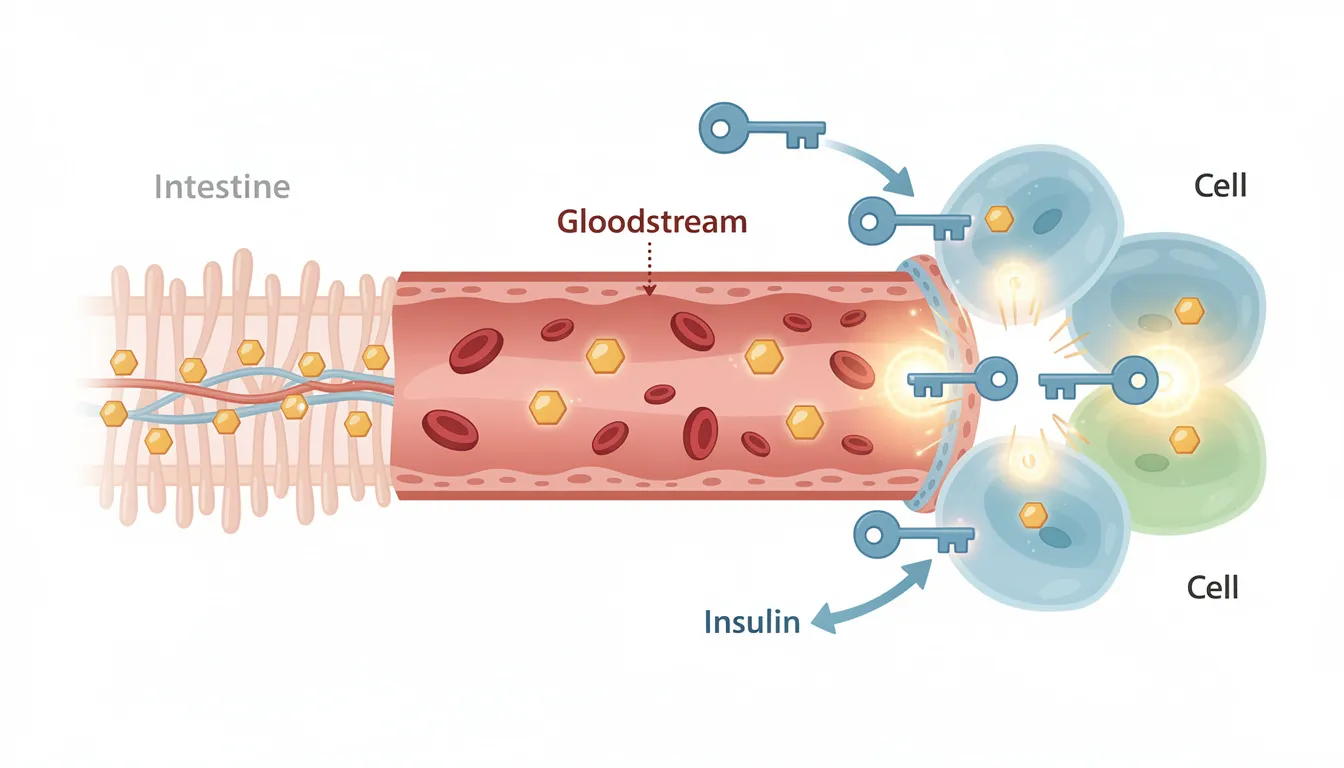
The timing of glucose matters too. Postprandial (after-meal) spikes refer to the rise in blood sugar following food consumption, while fasting blood glucose measures your levels after an overnight fast. Research suggests that repeated large spikes—even in people without diabetes—may affect vascular health and metabolic function over years. This is why many health-conscious individuals now track their glucose patterns, looking for ways to flatten those curves through diet, activity, and targeted supplementation.
How to Monitor Your Glucose: Before You Add Supplements
Blood glucose monitoring is the primary tool to determine if your blood glucose levels are within your target range. Before layering in any supplement, it helps to understand your personal glucose patterns. What spikes your blood sugar? How quickly do you return to baseline after meals? Monitoring provides answers.
Two main tools exist for tracking:
Blood glucose meter (finger-stick): A portable device that measures blood sugar from a small sample of blood. This is the most common way to check your blood glucose level at home. Affordable and widely available, it requires you to check your blood at specific times.
Continuous glucose monitor (CGM): A small sensor worn on the skin that tracks glucose levels around the clock, providing real-time data and trend information. A continuous glucose monitor uses a sensor inserted under the skin to measure your blood sugar every few minutes. CGMs have become increasingly popular among optimization-focused individuals, though they typically require a prescription.
Both tools work best with guidance from a healthcare professional who can help interpret your blood sugar readings in the context of your diabetes care and overall metabolic health.
Practical check-in times for pattern tracking:
Fasting (immediately upon waking, on an empty stomach)
Before meals
1–2 hours after meals (to capture postprandial response)
Occasionally before and after exercise
If you have diabetes, you'll likely need to check your blood glucose every day to ensure your blood glucose numbers are in your target range.
Rather than fixating on hitting specific blood glucose numbers, focus on understanding your patterns. Are you seeing large spikes after certain meals? Does your blood sugar stay elevated for hours, or does it return to your target range efficiently? The American Diabetes Association provides guidelines for typical targets, but your clinician can help you determine what’s appropriate for your situation.
Pro tip: Log your readings alongside what you ate, your activity level, sleep quality, and stress levels. Logging your blood glucose results is vital for understanding your body's response to your diabetes care plan. This context reveals personal triggers and helps you identify what truly works for your body—before you start experimenting with supplements.
Science-Backed Supplements That May Support Glucose Control
Let’s be clear upfront: no supplement is proven to diagnose, treat, cure, or prevent diabetes or any disease. The National Institute of Diabetes and Digestive and Kidney Diseases emphasizes that supplements should not replace diabetes medicines or medical treatment.
That said, certain compounds have been studied for their potential to support healthy glucose metabolism. The evidence varies—some have robust clinical trials behind them, while others show only preliminary promise. If you take insulin, sulfonylureas, or other diabetes medicines, talk to your doctor before adding any supplement, as interactions can cause low blood glucose (called hypoglycemia) or other complications.
Berberine
Berberine is a plant alkaloid found in herbs like goldenseal and barberry (Berberis vulgaris). It has attracted significant research attention for its effects on fasting glucose and insulin sensitivity.
How it works: Berberine activates AMPK, sometimes called the body’s “metabolic switch,” which influences how cells use energy. It may also slow carbohydrate digestion and affect the gut microbiome in ways that support metabolic function.
Research highlights: Multiple randomized controlled trials from 2008 through 2019 in adults with type 2 diabetes or metabolic syndrome have shown improvements in fasting glucose, post-meal glucose, and HbA1C markers when berberine was used under medical supervision. Some studies suggest effects comparable to certain oral glucose-lowering medications.
Typical usage in studies: 500–1500 mg per day, usually divided into two or three doses taken with meals. However, dosing should always be individualized with healthcare guidance.
Safety considerations: GI discomfort (cramping, diarrhea, constipation) is common. Berberine can interact with medications metabolized by CYP enzymes, anticoagulants, and drugs like metformin. People on glucose-lowering medications need careful monitoring to avoid low blood glucose levels.
Magnesium
Magnesium is an essential mineral involved in over 300 enzymatic reactions, including insulin signaling pathways. Deficiency is surprisingly common in Western diets, partly due to processed food consumption and depleted soil minerals.
Research highlights: A 2020 systematic review of 26 studies found that magnesium supplementation reduced fasting plasma glucose, fasting insulin levels, and measures of insulin resistance in people with type 2 diabetes. A 2021 systematic review and meta-analysis of 25 studies concluded that oral magnesium supplementation reduced fasting plasma glucose in people with diabetes and improved insulin sensitivity markers in those at high risk.
Common forms: Magnesium citrate, glycinate, and malate are generally well-absorbed. Magnesium oxide is less bioavailable but inexpensive.
Typical intake ranges studied: 250–400 mg per day, accounting for what you already get from food sources like leafy greens, nuts, and legumes.
Safety considerations: Large doses can cause diarrhea and abdominal cramping. Very high doses (exceeding 5,000 mg daily) can be dangerous. People with kidney diseases or on certain medications should consult their clinician before supplementing, as magnesium can accumulate when kidney function is impaired.
Alpha-Lipoic Acid (ALA)
Alpha-lipoic acid is an antioxidant naturally produced in the body and involved in mitochondrial energy metabolism. Both human and animal research has explored its effects on insulin sensitivity and oxidative stress.
Research highlights: Small clinical trials from the early 2000s found that ALA supplementation was associated with improved insulin sensitivity and reduced markers of oxidative stress in people with metabolic challenges. The compound has also been studied for nerve health, which is relevant given that high blood glucose levels over time can affect nerve function.
Typical studied doses: 300–600 mg per day, often taken before meals. Individual tolerability varies.
Safety considerations: Possible side effects include nausea and heartburn. Rare reports of hypoglycemia exist when combined with glucose-lowering medications. Medical supervision is important for anyone with diabetes. ALA aligns well with longevity-focused goals given its role in mitochondrial and cellular health.
Inositol (Myo-Inositol & D-Chiro-Inositol)
Inositols are vitamin-like compounds that play roles in cell signaling, including insulin signaling pathways.
Research highlights: Most evidence comes from studies in insulin-resistant states, particularly polycystic ovary syndrome (PCOS). Randomized controlled trials from the 2010s showed that inositol supplements improved insulin sensitivity and affected reproductive hormones in these populations. Some studies suggest benefits on fasting insulin and post-meal glucose, though most evidence is in specific populations rather than the general public.
Typical supplemental patterns: Myo-inositol at 2–4 g per day, sometimes combined with D-chiro-inositol in a 40:1 ratio. Dosing should be individualized.
Safety considerations: Generally well tolerated, with mild GI upset possible at higher doses. Discuss inositol use with a clinician if pregnant, on medications, or managing metabolic conditions.
Fiber Supplements (Psyllium, Glucomannan, Beta-Glucan)
Whole-food fiber from vegetables, fruits, legumes, and whole grains remains foundational. Supplements serve as an add-on when dietary intake falls short.
How it works: Soluble fibers form a gel in the gut, slowing gastric emptying and glucose absorption. This can help flatten post-meal spikes and support stable blood sugar levels.
Research highlights: Human trials have shown that psyllium or glucomannan taken before meals helped reduce postprandial glucose and improved markers like fasting glucose and lipid levels in people with elevated blood sugar.
Practical usage: 5–10 g of soluble fiber before or with meals, introduced gradually with plenty of water. Drink plenty of fluids to prevent GI blockages.
Safety considerations: Bloating and gas are common initially. Space fiber supplements away from medications, as fiber can affect drug absorption. Always follow your health care team’s guidance.
Cinnamon Extract
Cinnamon has a long history of traditional use, but most research uses standardized extracts rather than the culinary spice from your cabinet.
Research highlights: Results from human trials in the early 2000s through 2010s are mixed. Some studies using doses around 1–6 g per day (or equivalent extracts) showed modest improvements in fasting glucose, while others found no significant effect. Cinnamon may provide a small supportive effect when combined with diet and lifestyle interventions.
Quality considerations: Cassia cinnamon contains higher levels of coumarin, which may strain the liver at high doses. Ceylon cinnamon is often preferred for its lower coumarin content. Look for standardized extracts tested for coumarin levels.
Safety considerations: Use caution and seek medical supervision if you take diabetes medicines, as cinnamon may have additive glucose-lowering effects.
Chromium
Chromium is a trace mineral that helps insulin work more effectively at the cellular level.
Research highlights: A 2020 systematic review and meta-analysis of 28 studies demonstrated that chromium supplementation produced significant reductions in fasting plasma glucose, insulin, HbA1C, and insulin resistance in patients with diabetes. However, some studies from the 1990s through 2000s found minimal benefit, suggesting individual response varies—particularly based on baseline chromium status.
Typical studied intakes: 200–1000 mcg per day of chromium picolinate. Don’t exceed labeled doses without supervision.
Safety considerations: Chromium supplements may cause stomach pain, headaches, insomnia, mood changes, and bloating. Serious adverse effects (kidney damage, muscular problems, skin reactions) are rare but have been reported following large doses. Interactions with insulin or oral hypoglycemics require blood sugar monitoring. Position chromium as a possible adjunct when dietary quality is already high, rather than a primary strategy.
Polyphenols: Resveratrol & Other Plant Compounds
Polyphenols like resveratrol, quercetin, and green tea catechins are plant compounds researched for antioxidant and metabolic signaling effects.
Resveratrol research: This compound has been investigated for activating sirtuins and influencing mitochondrial function. A 2020 Cochrane systematic review of 3 studies (50 participants total) found that high-dose resveratrol (more than 1,000 mg) can reduce fasting blood glucose and may reduce blood pressure, though evidence certainty is very low.
Practical expectations: Human data are still emerging. Doses in studies often range from 150–500 mg per day, with variability in bioavailability. These compounds align with a longevity-focused approach—supporting cellular health and metabolic pathways as part of broader healthy lifestyle habits.
Safety considerations: High doses may interact with anticoagulants or affect liver enzymes. Professional guidance and third-party-tested products are important.
Advanced Blood Sugar Management Techniques
For those seeking to take their blood sugar management to the next level, a comprehensive and proactive approach is key. Advanced blood sugar management goes beyond the basics, integrating regular monitoring, personalized adjustments to diabetes medicines, and a deep understanding of how daily choices affect blood glucose levels.
Start by tracking your blood sugar readings consistently using a blood glucose meter or, for more detailed insights, a continuous glucose monitor. These tools allow you to see how your blood glucose responds to different foods, physical activity, stress, and even sleep patterns. By identifying trends—such as which meals cause spikes or how exercise helps stabilize blood sugar—you can make informed decisions to keep your blood glucose within your target range.
Diet remains foundational, but advanced management means fine-tuning your intake of whole grains, lean protein, and healthy fats to match your body’s needs. Pay attention to how specific foods affect blood sugar levels, and adjust your meal timing or composition accordingly. For example, some people find that spreading carbohydrates evenly throughout the day or pairing them with protein helps maintain more stable glucose levels.
Physical activity is another powerful lever. Regular movement not only helps lower blood sugar in the short term but also improves insulin sensitivity over time. Experiment with different types of exercise—such as brisk walking, resistance training, or interval workouts—to see what has the most positive effect on your glucose levels.
Stress and other lifestyle factors can also significantly affect blood sugar. Learning to recognize how stress, illness, or changes in routine impact your blood glucose allows you to adapt quickly and prevent unwanted fluctuations.
Perhaps most importantly, advanced management means working closely with your health care team. Education specialists, such as certified diabetes educators, can help you interpret your blood sugar readings, adjust your diabetes medicines as needed, and develop a plan tailored to your unique needs and goals. This collaborative approach ensures you’re not just reacting to numbers, but actively shaping your path toward optimal blood glucose targets and long-term metabolic health.
How to Choose Quality Glucose-Support Supplements Safely
Not all supplements are created equal. The difference between a high-quality product and a questionable one can affect both safety and whether you experience any positive effect.
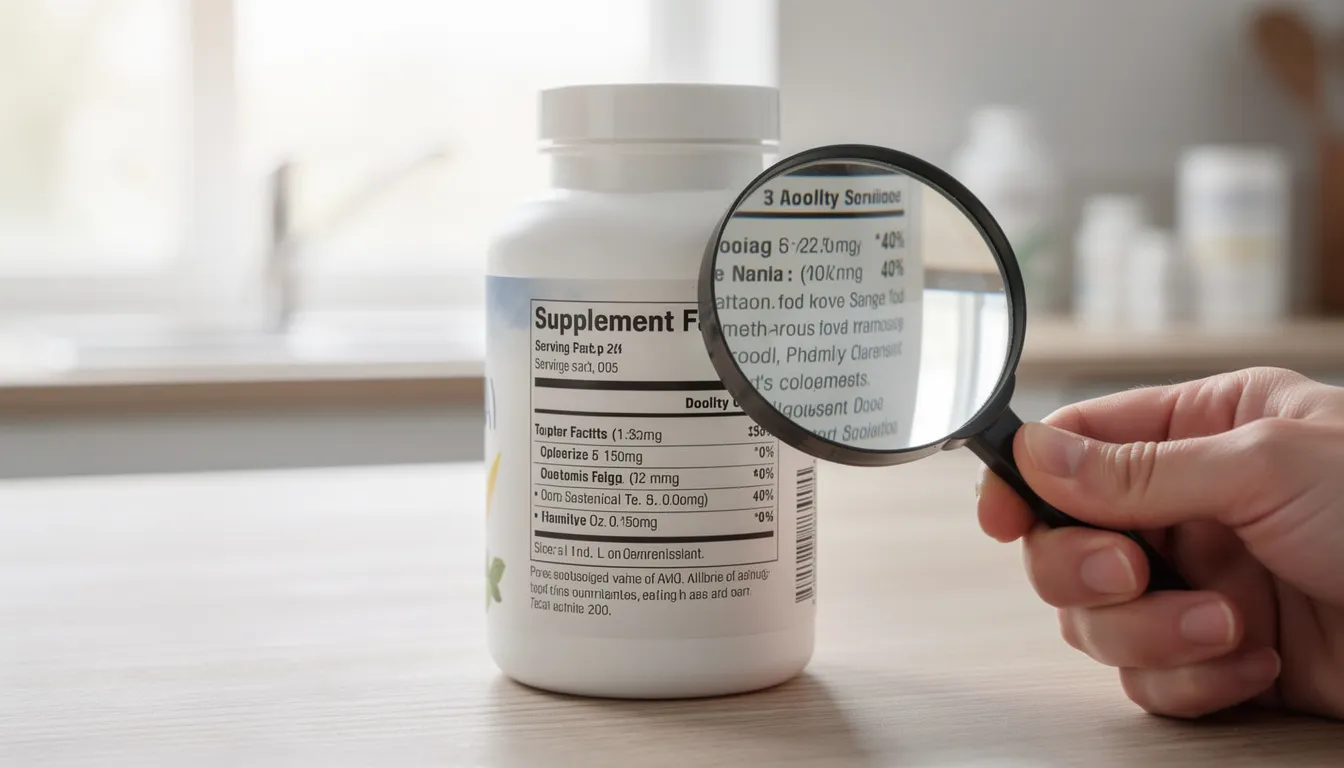
Non-negotiable quality criteria:
Third-party testing: Look for Certificates of Analysis (COAs) verifying potency and purity
Contaminant screening: Heavy metals, pesticides, and microbial contamination testing
Label verification: Independent testing confirming that what’s on the label matches what’s in the bottle
Smart selection practices:
Choose products with transparent labeling showing exact ingredient amounts and forms (e.g., magnesium glycinate vs. oxide)
Look for free-from statements relevant to your needs (vegan, gluten-free, non-GMO)
Avoid “proprietary blends” that obscure actual amounts of active ingredients
Be skeptical of exaggerated claims like “cure diabetes” or “replace your medication”
Critical safety step: Discuss any new supplement with your healthcare provider, especially if you take insulin, sulfonylureas, blood pressure medications, blood thinners, or have kidney or liver issues. Some supplements can affect how other medications work or how your body processes drugs.
Lifestyle Foundations That Make Supplements Work Better
Here’s the truth: supplements work best when the fundamentals are in place. No capsule compensates for poor sleep, chronic stress, a diet built on sugary foods and drinks, or prolonged inactivity. Think of supplements as the final 10%—valuable, but only after you’ve addressed the other 90%.
Other tips: Consider regular monitoring of your blood sugar, managing stress through mindfulness or relaxation techniques, and staying hydrated to further support healthy glucose levels.
Nutrition for Stable Glucose
What you eat profoundly affects how your blood sugar responds throughout the day.
Foundation principles:
Emphasize minimally processed, high-fiber foods: non-starchy vegetables, low-glycemic fruits (berries, apples), legumes, nuts, seeds, and intact whole grains
Understand that carbohydrates have the most direct impact on blood sugar—pair them with lean protein, healthy fats, and fiber to slow absorption
Limit refined carbohydrates and added sugars: sugary drinks, pastries, candy, and white bread cause rapid glucose increases
Consider meal order: emerging research suggests eating vegetables and protein first, with starches last, may reduce post-meal spikes

Practical tips:
Front-load protein earlier in the day
Stay hydrated with water rather than sugary or alcoholic drinks
Experiment with your personal carbohydrate tolerance—some people handle whole grains well, others feel better with lower-carb approaches
Work with a registered dietitian for individualized guidance, especially if you’re managing metabolic conditions
Movement & Exercise
Physical activity is one of the most powerful tools for blood sugar support. When muscles contract, they can take up glucose even without much insulin—essentially providing an alternative pathway that bypasses insulin resistance.
General guidelines:
At least 150 minutes per week of moderate aerobic activity
2–3 strength training sessions weekly
Break up prolonged sitting with brief movement every hour
Practical ideas:
After-meal walks (10–15 minutes) can meaningfully blunt post-meal glucose spikes
Resistance training with bands or weights builds metabolically active muscle tissue
Even light movement—gardening, housework, gentle yoga—improves glucose handling compared to prolonged sitting
If you take glucose-lowering medications, ask your clinician about monitoring blood sugar around exercise to avoid low blood glucose.
Sleep, Stress, and Hormones
Poor sleep and chronic stress are underrated metabolic disruptors. When you’re sleep-deprived (less than approximately 7 hours) or constantly stressed, hormones like cortisol and adrenaline remain elevated, reducing insulin sensitivity and keeping blood sugar higher than it should be.
Sleep strategies:
Maintain consistent bedtime and wake times
Keep your bedroom dark, cool, and quiet
Limit caffeine after early afternoon and avoid heavy meals close to bedtime
Seek evaluation if you snore heavily or experience symptoms of sleep apnea
Stress management:
Breathing exercises, mindfulness, or meditation (even 5–10 minutes daily helps)
Nature walks, gentle stretching, or activities that bring genuine relaxation
Recognize that hormonal shifts during perimenopause, menopause, or andropause can influence glucose patterns—discuss these with your healthcare provider
Controlling stress is an important strategy to manage diabetes effectively, as stress can significantly impact blood sugar levels.
Some supplements may support relaxation (magnesium in the evening, for example), but they complement rather than replace behavioral and medical strategies.
Weight, Muscle Mass, and Metabolic Health
Body composition matters for metabolic health. Excess visceral fat (the fat around your organs) is linked with reduced insulin sensitivity, while greater muscle mass improves glucose handling.
Sustainable approaches:
Focus on body recomposition: gradually increasing muscle while reducing excess fat
Prioritize strength training and adequate protein intake
Even modest weight reduction (5–7% in some studies) has been associated with improved metabolic markers
Important perspective: Genetics, age, and medications influence weight and glucose. Take a compassionate, long-term approach rather than chasing rapid fixes. Avoid extreme diets or unsupervised fasting regimens, especially if you take glucose-lowering medications—the risk of diabetic ketoacidosis or severe hypoglycemia is real.
Overcoming Common Challenges in Glucose Control
Managing blood sugar isn’t always straightforward—many people encounter ups and downs as they work toward stable blood glucose levels. Whether you’re newly focused on metabolic health or have been managing diabetes mellitus for years, it’s normal to face obstacles along the way. The good news: with the right strategies and support, you can overcome these challenges and move closer to your blood glucose targets.
One of the most common hurdles is dealing with high blood sugar. Factors like a diet high in sugary foods or refined carbohydrates, lack of physical activity, and insulin resistance can all contribute to elevated blood glucose numbers. To lower blood sugar and keep levels within a normal range, focus on a balanced diet rich in whole grains, lean protein, and healthy fats. Regular physical activity—whether it’s brisk walking, strength training, or simply staying physically active throughout the day—can improve insulin sensitivity and help control blood sugar more effectively. Using a blood glucose meter or continuous glucose monitor allows you to check your blood sugar readings and see how your body responds to different foods, activities, and routines.
On the flip side, low blood glucose (hypoglycemia) can be a concern, especially for those taking insulin or other diabetes medicines. Skipping meals, overexercising, or certain medication combinations can cause blood sugar to drop too low. To stabilize blood sugar and avoid these dips, aim for regular, balanced meals, avoid excessive sugary drinks or alcoholic drinks, and stay hydrated by drinking plenty of water. If you’re physically active, monitor how exercise affects your glucose levels and adjust your routine as needed.
Other factors can also affect blood sugar, including stress, illness, and interactions with other diabetes medicines. That’s why it’s essential to work closely with your health care team to develop a diabetes management plan tailored to your needs. This plan should outline your blood sugar targets, dietary recommendations, and exercise guidelines, helping you maintain blood glucose levels in your desired range and reduce the risk of diabetes complications like kidney diseases or cardiovascular disease.
Education specialists are valuable allies on this journey. They can teach you how to check your blood, interpret blood sugar readings, and make informed adjustments to your lifestyle or medication. Staying proactive—tracking your blood glucose numbers, noting patterns, and communicating with your health care team—empowers you to maintain blood sugar balance and achieve better disease control.
Clinical trials have shown that incorporating whole grains, lean protein, and healthy fats into your meals can have a positive effect on insulin sensitivity and help lower the risk of diabetes complications. Combined with regular physical activity and a commitment to a healthy weight, these habits support long-term glucose control for people with type 2 diabetes and those aiming to optimize metabolic health.
Ultimately, overcoming common challenges in glucose control is about building a comprehensive, sustainable approach. By combining lifestyle changes, medication adherence, and regular monitoring of blood glucose levels, you can navigate obstacles and support your journey toward better energy, resilience, and overall wellbeing.
How to Build Your Personalized Glucose-Support Plan
Combining monitoring, lifestyle changes, and supplements requires a structured approach. Here’s a practical framework:
Step 1: Establish Your Baseline (1–2 weeks) Track fasting and post-meal glucose (with clinician guidance), along with diet, activity, sleep, and stress. This reveals your starting point before any interventions.
Step 2: Implement Foundations First (2–4 weeks) Make one or two key lifestyle changes—perhaps after-dinner walks or adding fiber at each meal. Re-check glucose patterns to see the impact before adding supplements.
Step 3: Layer in Supplements Thoughtfully Introduce one supplement at a time (e.g., magnesium in the evening, or fiber before meals). Monitor for benefits and side effects. Get provider approval before starting anything new.
Step 4: Review and Adjust (Every 8–12 weeks) Evaluate lab work (if available), glucose logs, and subjective measures like energy, sleep quality, and cravings. Work with your health professional to refine the plan.
Professionals such as physicians, registered dietitians, and evidence-based health coaches—including Vitruvin’s own coaching services—can help interpret data and adjust your supplement and lifestyle stack over time. Diabetes education specialists are particularly valuable resources for those managing metabolic conditions.
Resources for Blood Sugar Management
Managing blood sugar effectively is a lifelong journey, but you don’t have to do it alone. There are a wealth of resources available to support you in achieving your blood glucose targets and maintaining overall health.
The American Diabetes Association (ADA) is a trusted authority, offering comprehensive guidelines on diabetes management, including recommended blood glucose numbers, nutrition strategies, and physical activity tips. Their website is a valuable starting point for anyone looking to control blood sugar and reduce the risk of diabetes complications such as cardiovascular disease.
Digital tools can also make a big difference. Mobile apps and online platforms allow you to track your blood sugar levels, log meals, monitor physical activity, and set reminders for medications or appointments. These tools can help you stay organized and spot patterns in your blood glucose readings, making it easier to adjust your routine and stay on track.
Professional support is another essential resource. Registered dietitians and certified diabetes educators can provide personalized advice on managing blood sugar, including how to navigate sugary foods, sugary drinks, and alcoholic drinks. They can help you develop a balanced diet that supports insulin sensitivity, a healthy weight, and overall diabetes management.
Staying informed about the latest research is also important. Clinical trials and ongoing studies are continually uncovering new strategies for managing diabetes and optimizing glucose levels. By keeping up with these developments, you can make more informed decisions about your care and discuss new options with your health care team.
Finally, don’t underestimate the basics: regular check-ins with your health care team, drinking plenty of water to stay hydrated, and maintaining a healthy weight all play a crucial role in blood sugar control. These habits support insulin sensitivity and help lower the risk of cardiovascular disease and other diabetes-related conditions.
By leveraging these resources and maintaining a proactive, informed approach, you can take charge of your blood sugar management, reduce the risk of complications, and enjoy a higher quality of life.
Key Takeaways & When to Seek Medical Advice
Core messages to remember:
Stable blood sugar is central to metabolic health, energy, and longevity goals
Supplements support but do not replace disease control through diet, movement, sleep, and medical treatment
Quality matters—choose third-party tested products with transparent labeling
Personalization is essential; what works for one person may not work for another
Lifestyle foundations drive the majority of results; supplements are the finishing touch
Patience pays off—metabolic health usually improves over months, not days
Seek urgent medical care if you experience:
Symptoms of very high blood sugar: extreme thirst, frequent urine output, blurred vision, rapid breathing, fruity-smelling breath
Symptoms of low blood glucose (hypoglycemia, often defined as below 70 mg/dL): shakiness, confusion, sweating, rapid heartbeat, loss of consciousness
Any concerning changes after starting a new supplement, especially if you take diabetes medicines
If you have diagnosed diabetes, prediabetes, or other chronic conditions, coordinate any supplement changes with your healthcare team. The goal is to support your metabolic health without causing diabetes complications or medication interactions.
Metabolic optimization is a journey measured in months and years, not days. Consistent small habits—checking your blood patterns, eating balanced meals with adequate lean protein and fiber, staying physically active, managing stress, maintaining a healthy weight—combined with thoughtful supplement use can meaningfully support people seeking long-term wellbeing.
Your glucose patterns are unique to you. Work with qualified professionals to build a plan that fits your body, your goals, and your life.


Comments