
CoQ10 (Coenzyme Q10): Functions, Benefits, Dosage & Safety


If you’ve been exploring ways to support your energy levels, heart health, or overall cellular function as you age, you’ve likely encountered coenzyme Q10 (CoQ10). CoQ10, also known as coenzyme q, is widely used both as a dietary supplement and as a therapeutic agent for various health concerns. This naturally occurring compound—also known as ubiquinone in its oxidized form or ubiquinol in its reduced form—plays a fundamental role in how your cells produce energy. Present in virtually every cell of the human body, CoQ10 is particularly concentrated in organs with high metabolic demands like the heart, liver, and kidneys.
Interest in CoQ10 as a dietary supplement has grown substantially, especially among adults aged 40 and older who are focused on longevity and maintaining vitality. This makes sense when you consider that the body’s natural production of CoQ10 typically peaks in early adulthood and gradually declines with age. At Vitruvin, we focus on science-backed, evidence-based longevity supplements and coaching, and this guide summarizes current research on CoQ10 without providing medical advice.
This comprehensive guide will address the key questions most people have about CoQ10: what it does at the cellular level, who typically considers supplementation, common dosage ranges used in clinical research, and important safety considerations and potential interactions. Whether you’re curious about CoQ10 for cardiovascular support, migraine management, or general energy production, you’ll find balanced, research-informed perspectives here.

What Is CoQ10?
CoQ10 is a fat soluble, vitamin-like compound present in virtually all human tissues. Its primary function centers on the mitochondria—the energy-producing structures within your cells—where it serves as an essential component of the electron transport chain that generates adenosine triphosphate (ATP), your body’s primary energy currency.
The compound exists in two main forms that your body naturally cycles between as part of normal redox reactions. The oxidized form is called ubiquinone, while the reduced form is called ubiquinol. This ability to shift between states is precisely what makes CoQ10 so effective at both carrying electrons for energy production and functioning as an antioxidant that can protect cells from harmful compounds and oxidative damage.
CoQ10 concentrations vary significantly across different human tissues. Research indicates the highest levels are found in the heart (approximately 114 μg/g tissue), followed by the kidneys (66.5 μg/g tissue) and liver (54.9 μg/g tissue). Other organs with notable concentrations include the lungs, spleen, pancreas, adrenal glands, and brain. This distribution pattern reflects the reality that high-energy tissues simply need more CoQ10 to meet their metabolic demands.
The human body produces CoQ10 endogenously through a complex biosynthetic pathway called the mevalonate pathway. This same pathway is also involved in cholesterol synthesis, which becomes relevant when discussing statin medications later. Under normal conditions, internal synthesis provides the majority of the body’s CoQ10, though production efficiency tends to decline as we age.
CoQ10 was first isolated in 1957 and its chemical structure was fully characterized in 1958. Since the 1970s, it has been extensively researched in cardiology and neurology, accumulating a substantial body of clinical evidence that continues to grow today.
CoQ10 at a Glance
Fat-soluble compound found in all cells
Essential for mitochondrial ATP production
Exists in two forms: ubiquinone (oxidized) and ubiquinol (reduced)
Highest concentrations in heart, kidneys, and liver
Natural production declines with age
How CoQ10 Works in the Body (Mechanisms)
CoQ10 serves two primary roles in cellular function: supporting mitochondrial energy production and providing antioxidant protection. Understanding these mechanisms helps explain why this compound has attracted attention across so many areas of health research.
Oxidative stress and cell damage are major contributors to aging and disease. Mitochondrial dysfunction and low CoQ10 levels have been associated with increased risk of developing conditions such as cardiovascular diseases, neurodegenerative diseases, and cancer.
Energy Production in the Electron Transport Chain
Within the mitochondrial membrane, CoQ10 acts as a mobile electron carrier that shuttles electrons between different protein complexes. Specifically, it accepts electrons from complex I (NADH dehydrogenase) and complex II (succinate dehydrogenase), then transfers them to complex III (cytochrome c reductase). This electron flow is fundamental to the process of oxidative phosphorylation, which generates the ATP that powers virtually all cellular activities.
What makes CoQ10 particularly versatile is its ability to function as both a two-electron carrier (moving between quinone and quinol forms) and a one-electron carrier (through an intermediate semiquinone state). This flexibility is essential because the iron-sulfur clusters in the electron transport chain can only accept one electron at a time.
Antioxidant Protection and Membrane Stability
In its ubiquinol form, CoQ10 serves as one of the most significant lipid antioxidants in the body. It donates electrons to neutralize reactive oxygen species (free radicals) that would otherwise cause cell damage to proteins, DNA, and lipid membranes. CoQ10 works synergistically with vitamin E in this capacity, helping to regenerate this important antioxidant after it has neutralized free radicals.
Beyond direct free radical scavenging, CoQ10 helps stabilize cellular membranes and supports their structural integrity. Research suggests it also plays a role in preserving nitric oxide bioavailability and supporting endothelial function—the health of blood vessels’ inner lining. Several clinical trials have linked CoQ10 supplementation to improved flow-mediated dilation, a marker of vascular health.
Absorption and Distribution
Because CoQ10 is fat soluble, it is better absorbed when taken with dietary fat. Once absorbed, it is transported through the bloodstream in lipoproteins (VLDL, LDL, and HDL) and distributed to tissues throughout the body. Pharmacokinetic studies have noted a characteristic second plasma peak occurring several hours after ingestion, related to enterohepatic circulation. The compound is primarily eliminated via bile and feces, with limited urinary excretion.
Regarding ubiquinone versus ubiquinol supplements, some evidence suggests ubiquinol may achieve higher plasma levels in certain contexts, but the clinical superiority of one form over the other is not definitively established. Both forms can be converted within the body as needed.
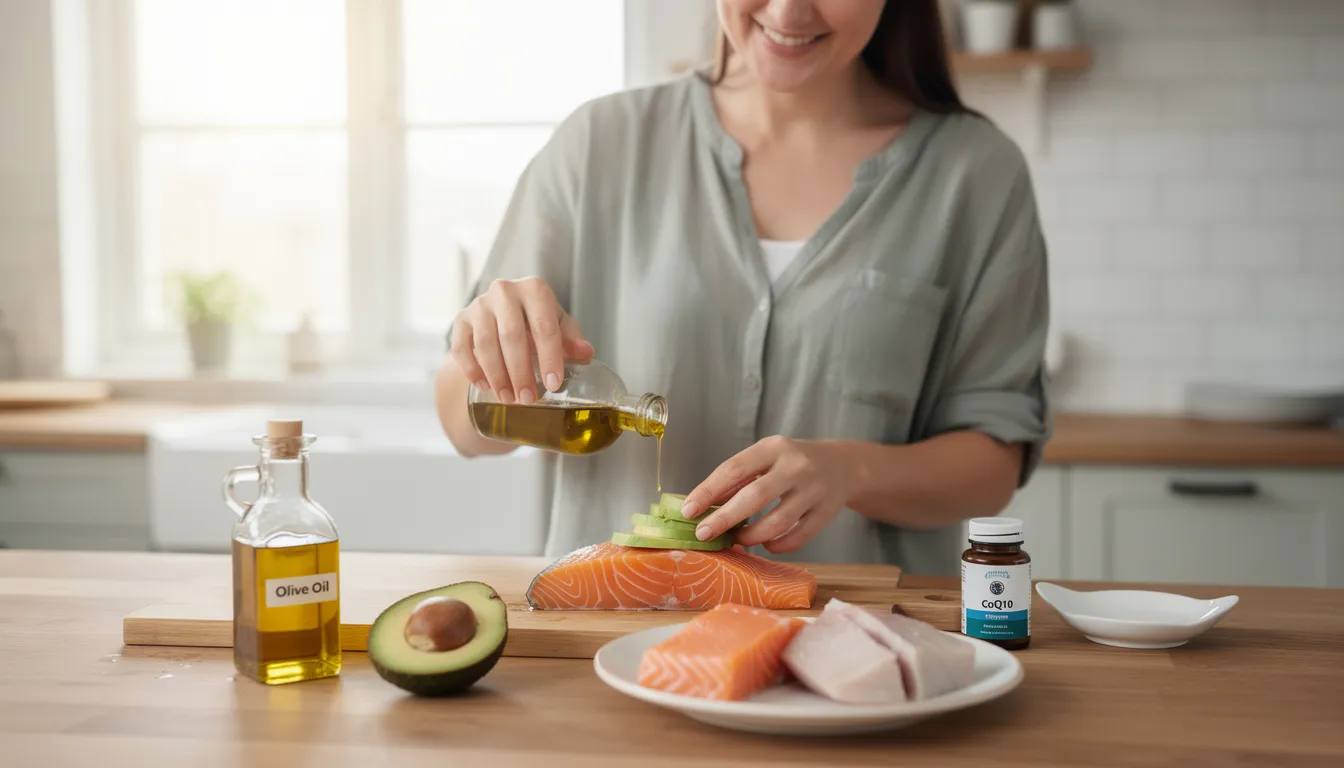
Dietary Sources, Endogenous Production & CoQ10 Levels
Humans obtain CoQ10 from two sources: dietary intake and internal synthesis. Under normal conditions, endogenous production provides the majority of the body’s supply, with diet contributing a smaller but still meaningful amount.
Food Sources of CoQ10
The richest dietary sources of CoQ10 include:
Organ meats: Heart, liver, and kidney contain the highest concentrations among foods
Muscle meats: Beef, pork, and chicken provide moderate amounts
Fatty fish: Sardines, mackerel, salmon, and other oily fish are good sources
Nuts and seeds: Peanuts, pistachios, and sesame seeds contain smaller amounts
Vegetables: Spinach, broccoli, and soybeans provide modest contributions
Oils: Soybean and canola oils contain CoQ10
However, it’s important to understand the scale involved. Typical Western diets provide approximately 3-6 mg of CoQ10 per day through food. This dietary intake is far below the doses used in most clinical trials, which commonly range from 100-300 mg daily. This gap explains why diet alone rarely yields “supplement-level” intakes, even with intentional consumption of CoQ10-rich foods.
Factors Affecting CoQ10 Status
Endogenous synthesis depends on adequate availability of precursors, including certain amino acids and B vitamins. The mevalonate pathway that produces CoQ10 is also the pathway targeted by statin medications, which helps explain why taking statins can reduce circulating CoQ10 levels.
Blood levels of CoQ10 tend to decline with age, and research has documented lower levels in people with certain chronic diseases, including heart failure and some mitochondrial disorders. However, the relationship between tissue uptake, blood levels, and clinical symptoms remains complex, and causality is not fully established in all cases.
Science-Backed Areas of Research on CoQ10
This section provides a balanced, research-based overview of the conditions and health areas where CoQ10 has been most extensively studied. It’s important to emphasize that CoQ10 is not approved by regulatory agencies to treat or cure any disease, and study outcomes across different research areas are often mixed.
The evidence summarized here comes primarily from randomized controlled trials and systematic review analyses, with appropriately cautious language reflecting the current state of knowledge. Research suggests potential benefits in several areas, but more research is needed in most cases to draw definitive conclusions.
Cardiovascular Health & Blood Vessels
The rationale for investigating CoQ10 in cardiovascular diseases relates to the heart’s exceptionally high energy demands and the roles oxidative stress and endothelial dysfunction play in heart disease. CoQ10’s involvement in ATP production and its antioxidant activity make it a logical candidate for cardiovascular support.
Heart Failure Research
The Q-SYMBIO trial, published in the European Journal of Heart Failure in 2014, examined patients with chronic congestive heart failure who took 300 mg/day of coenzyme q10 coq10 alongside standard therapy. The study found reduced major adverse cardiovascular events and lower cardiovascular mortality in the supplemented group compared to placebo. However, the trial had a modest sample size and studied a specific population, so results should be interpreted with appropriate caution.
The Swedish KiSel-10 trial, published in the International Journal of Cardiology in 2013, combined CoQ10 (200 mg/day) with selenium supplementation in older adults. Over several years of follow-up, participants showed lower cardiovascular mortality compared to placebo. An important caveat is that these results may reflect the combined effects of both nutrients rather than CoQ10 alone.
Meta analysis of multiple trials has reported modest improvements in some heart failure symptoms and ejection fraction measures. However, major guideline bodies still regard the evidence as supplementary rather than a replacement for standard care.
Blood Pressure Effects
Some meta-analyses suggest small reductions in both systolic and diastolic blood pressure with CoQ10 supplementation. However, results across studies are inconsistent, and effect sizes vary considerably. People with high blood pressure may find CoQ10 a reasonable adjunctive therapy, but it should not replace proven antihypertensive medications. The potential to lower blood pressure also means careful monitoring is warranted for those already on blood pressure medications.
Endothelial Function
Smaller studies have found improved flow-mediated dilation and reduced markers of oxidative stress with CoQ10 supplementation, indicating potential support for blood vessel health. These findings align with CoQ10’s role in preserving nitric oxide availability.
Anyone with coronary heart disease or other cardiovascular conditions should only use CoQ10 in consultation with their cardiologist as part of a comprehensive treatment plan.
CoQ10 and Statins
Statin medications inhibit HMG-CoA reductase, a key enzyme in the mevalonate pathway used for cholesterol synthesis. Because this same pathway is involved in CoQ10 production, taking statins can reduce circulating blood levels of CoQ10.
This connection has led researchers to hypothesize that reduced CoQ10 might contribute to statin associated muscle symptoms—commonly reported issues like muscle pain, muscle weakness, and muscle cramps that some patients experience on statin therapy. This condition is sometimes called statin induced myopathy.
Clinical trials and meta-analyses examining whether CoQ10 supplementation helps with these symptoms have produced mixed results. Some studies report modest reductions in self-reported muscle discomfort, while others find no significant difference compared to placebo. Major medical guidelines do not currently recommend CoQ10 universally for statin-associated muscle symptoms due to this inconsistent evidence.
However, some healthcare professionals may consider a trial of CoQ10 in individuals who remain symptomatic despite adjustments to statin therapy and after ruling out other causes. Anyone experiencing muscle symptoms while on statins should discuss this with their prescribing physician rather than self-treating with supplements.
Migraine & Headache Research
Mitochondrial dysfunction and oxidative stress in brain tissue have been proposed as contributing factors in migraine development. CoQ10’s role in improving mitochondrial energy efficiency provides the theoretical basis for its investigation in migraine prevention.
Several randomized controlled trials in adult migraine patients have found that CoQ10 supplementation (typically 100-300 mg/day) reduced migraine frequency and number of headache days compared to placebo. Benefits often became apparent after consistent use for about three months, suggesting that CoQ10’s effects on migraine headaches may be gradual rather than immediate.
Pediatric research has also suggested potential benefits in children and adolescents with frequent migraines, though pediatric supplementation should only be considered under specialist guidance.
The evidence for migraine prevention represents one of the more promising non-cardiac applications of CoQ10, though not all individuals respond and optimal dosing remains an active area of study.
Metabolic, Mitochondrial & Energy-Related Conditions
Primary CoQ10 Deficiency
This rare group of genetic defects affects the body’s ability to synthesize CoQ10. Patients with primary CoQ10 deficiency may experience neurological and muscular symptoms that can sometimes be stabilized or partially improved with high-dose CoQ10 supplementation (5-50 mg/kg/day). This is a specialist-managed condition requiring expert oversight.
Metabolic Syndrome and Diabetes
Research in type 2 diabetes, metabolic syndrome, and metabolic diseases like non-alcoholic fatty liver disease has explored CoQ10’s effects on various biomarkers. Some studies report improvements in markers of oxidative stress, certain inflammatory indicators, and modest changes in glycemic control parameters.
While some trials show improved HbA1c or fasting glucose levels, results are heterogeneous. CoQ10 is not considered a primary treatment for blood sugar management but may provide supportive benefits for some individuals.
Fatigue-Related Conditions
CoQ10 continues to be investigated as a general mitochondrial support factor in various fatigue-related conditions, including chronic fatigue syndrome and fibromyalgia. Preliminary data suggests potential improvements in fatigue scores and quality of life, but results remain inconclusive and require larger confirmatory trials.
Neurodegenerative & Cognitive Health
Brain tissue has exceptionally high energy demands and vulnerability to oxidative stress, making CoQ10 a plausible candidate for supporting cognitive health.
In Parkinson’s disease research, earlier trials suggested that very high doses (up to 1,200 mg/day) might slow functional decline. However, later large-scale trials failed to confirm meaningful benefit, leading to cautious interpretation of the data.
Smaller studies in Alzheimer’s disease and other neurodegenerative diseases have explored CoQ10 and related compounds like idebenone (mentioned by the National Cancer Institute and National Center for complementary and integrative health resources), with mixed and generally inconclusive results.
At present, CoQ10 cannot be recommended as a proven disease-modifying therapy for neurodegenerative conditions, though it continues to be studied as part of multi-targeted approaches to brain aging and cognitive health.
Fertility & Reproductive Health
Oxidative stress in reproductive tissues can negatively affect sperm quality and egg competence. CoQ10’s antioxidant properties and mitochondrial support functions underpin current research interest in fertility applications.
Small human trials have associated CoQ10 supplementation with improvements in sperm motility, density, or morphology in some men with unexplained infertility. However, improvements in laboratory parameters don’t always translate to higher pregnancy or live birth rates.
Early evidence suggests CoQ10 may support oocyte mitochondrial function and egg quality in women of advanced maternal age or those undergoing assisted reproduction. Research in this area is still evolving with modest sample sizes.
Anyone considering CoQ10 for fertility should do so under the guidance of a fertility specialist to coordinate with other treatments.
Exercise Performance, Fatigue & Recovery
Given CoQ10’s central role in ATP production, researchers have investigated whether supplementation might enhance physical performance in athletes and physically active adults.
Studies examining exercise performance have shown mixed results. Some trials report modest benefits in endurance metrics or reduced markers of exercise-induced oxidative stress and muscle damage with doses around 100-300 mg/day. Other studies find no significant performance enhancement.
When benefits are observed, they tend to be modest and may depend on baseline CoQ10 status and training level. For most healthy, well-nourished athletes, dramatic performance improvements from CoQ10 alone are unlikely.
Skin, Aging & Appearance
CoQ10 is naturally present in skin, where it helps defend against oxidative damage from UV radiation and environmental stressors—factors that contribute to visible skin aging and conditions involving light sensitivity.
Small trials of topical CoQ10 formulations have reported improvements in some markers of photoaging, including wrinkle depth and skin smoothness, along with reduced indicators of lipid peroxidation and oxidative damage.
Oral CoQ10 has been combined with other nutrients in “beauty from within” studies, making it difficult to isolate its individual contribution. Evidence suggests potential skin health benefits but is not definitive.
CoQ10 may support skin health as part of a broader strategy that includes sun protection, healthy nutrition, and lifestyle factors, but it should not be viewed as a stand-alone anti-aging solution.
Potential Benefits & Limitations: What CoQ10 May Help With
Synthesizing the research presented above, here’s a practical summary of where CoQ10 shows the most promise and where limitations exist:
Area |
Evidence Strength |
Notes |
|---|---|---|
Heart failure (adjunctive) |
Relatively robust |
Multiple trials, including Q-SYMBIO; use alongside standard care |
Migraine prevention |
Promising |
Several positive RCTs; effects may take 2-3 months |
Statin-associated symptoms |
Mixed |
Some benefit reported; not universally recommended |
Blood pressure |
Inconsistent |
Small effects in some meta-analyses |
Fertility parameters |
Preliminary |
Lab improvements seen; clinical outcomes less clear |
Exercise performance |
Mixed |
Modest effects in some studies; depends on baseline status |
Neurodegenerative diseases |
Inconclusive |
Early promise not confirmed in larger trials |
Skin aging |
Preliminary |
Potential support; difficult to isolate from other factors |
Individual responses to CoQ10 vary considerably. Some people report noticeable benefits such as fewer migraines or improved exercise tolerance, while others may not perceive any clear change despite similar dosing.
Most positive clinical trials used CoQ10 alongside conventional care, not as a replacement. The doses and populations studied were specific and controlled, which may not perfectly translate to general use.
Key Takeaways: Realistic Expectations
CoQ10 is best viewed as supportive, not curative
Benefits are often modest and may take weeks to months to manifest
Individual responses vary significantly
Works best as part of comprehensive health management
Not a replacement for prescribed treatments
Dosage, Forms & How to Take CoQ10
There is no universally agreed “ideal” daily dose for healthy adults, and dosing in clinical research varies widely depending on the condition being studied.
Typical Dosage Ranges
Use Case |
Common Dose Range |
|---|---|
General wellness support |
60-200 mg/day |
Cardiovascular or migraine studies |
100-300 mg/day |
Short-term neurological research |
Up to 1,200 mg/day |
Primary CoQ10 deficiency |
5-50 mg/kg/day (specialist supervision) |
Supplement Forms
CoQ10 supplements come in several formats:
Softgels: Often oil-based for improved bioavailability
Capsules: May contain powder or oil-suspended CoQ10
Tablets: Generally dry formulations
Liquid suspensions: Sometimes used for higher doses or easier swallowing
Fat-containing formulations typically demonstrate better absorption than dry powder forms in pharmacokinetic studies.
Ubiquinone vs. Ubiquinol
Both the oxidized form (ubiquinone) and reduced form (ubiquinol) are available as supplements. Some data suggests ubiquinol may achieve higher plasma levels in certain contexts, particularly in older adults. However, the clinical relevance and definitive superiority of one form over the other remains unestablished, as the body can convert between forms.
Practical Timing Advice
Take CoQ10 with a meal containing healthy fats to improve absorption
For higher doses (above 200 mg), consider splitting into two or three smaller doses throughout the day
Some people prefer morning dosing if they experience mild stimulation or sleep disruption at higher doses
Consistency matters more than perfect timing
Always follow product label instructions and consult a healthcare professional, especially for doses above 200-300 mg/day or when managing chronic conditions.
Safety, Side Effects, Interactions & Contraindications
CoQ10 is generally well tolerated in clinical studies, even at doses up to approximately 1,200 mg/day. However, individual responses vary, and certain interactions require attention. CoQ10 may interact with other medications, including blood pressure medications and blood thinners such as warfarin, potentially decreasing the effectiveness of warfarin.
Common mild side effects of CoQ10 include gastrointestinal issues, headaches, skin rashes, dizziness, photophobia, irritability, heartburn, increased involuntary movements, and fatigue. CoQ10 supplements are generally well-tolerated with only minor and infrequent adverse effects, including stomach upset, nausea, vomiting, and diarrhea.
CoQ10 is not advised during pregnancy and breastfeeding due to a lack of safety data. Additionally, the FDA does not strictly regulate dietary supplements such as CoQ10, nor are manufacturers required to prove their safety and purity before and after market release.
Common Side Effects
Most reported adverse effects are mild and include:
Gastrointestinal discomfort (nausea, stomach upset, diarrhea)
Loss of appetite
Mild insomnia (particularly at higher doses)
Occasional headache or dizziness
Some studies have noted small, reversible increases in liver enzymes at doses of 300 mg/day or higher, typically without clinical signs of liver injury. Individuals with existing liver disease should seek medical supervision and may require monitoring.
Special Cautions
Bile duct obstruction: People with significant gallbladder issues or bile duct obstruction may have altered handling of fat-soluble compounds, so caution is advised.
Warfarin and blood thinners: CoQ10 may reduce the anticoagulant effect of warfarin and other vitamin K-antagonist blood thinning medicine, potentially altering INR values. This interaction requires medical oversight and regular monitoring. Those on blood thinners should not start CoQ10 without physician guidance, as impaired anticoagulation could increase risk of blood clots.
Antihypertensive medications: CoQ10’s potential to lower blood pressure may create additive effects with blood pressure medications, requiring dose adjustment monitoring.
Chemotherapy agents: Potential interactions with certain cancer treatments have been reported. Anyone undergoing chemotherapy should consult their oncologist before using CoQ10 or any complementary therapies.
Blood glucose effects: Preliminary evidence suggests CoQ10 may modestly lower fasting blood glucose in some individuals. Those with diabetes or hypoglycemia risk should be aware of potential additive effects with glucose-lowering medications.
Pregnancy and breastfeeding: Safety data in pregnancy and lactation are incomplete. Routine supplementation is generally not recommended without direct supervision from an obstetric provider.
Allergies: Known hypersensitivity to CoQ10 or capsule excipients is a contraindication. Anyone experiencing allergic symptoms (rash, itching, swelling) should discontinue use and seek medical care.
Remember that “natural” does not automatically mean risk-free. Reviewing your complete medication and supplement list with a healthcare professional before starting CoQ10 is important.
Who Might Consider CoQ10 – and Who Should Use Caution
Groups That May Benefit from Discussion with Their Clinician
Adults over 40-50 interested in cellular energy and healthy aging
Individuals with established cardiovascular disease or heart failure (as adjunctive therapy)
People experiencing frequent migraines seeking preventive options
Selected fertility or reproductive cases under specialist guidance
Those on long-term statin therapy experiencing persistent muscle symptoms
For each group, the strength of evidence and likelihood of benefit differs. CoQ10 should complement—not replace—prescribed treatments and lifestyle interventions including nutrition, exercise, sleep, and stress management.
Populations Requiring Extra Caution
People on warfarin or strong anticoagulants
Those with complex polypharmacy (multiple medications)
Individuals with advanced kidney or liver disease
Pregnant or breastfeeding women
Children (unless under specialist supervision)
Discuss CoQ10 with your clinician if you:
[ ] Have cardiovascular disease and want to explore integrative health approaches
[ ] Experience statin-related muscle symptoms despite therapy adjustments
[ ] Have frequent migraines and are open to alternative medicine options
[ ] Are working with a fertility specialist
[ ] Take blood thinners or multiple medications
[ ] Have a medical condition affecting liver, kidney, or metabolic function
How to Evaluate CoQ10 Supplements (Quality & Transparency)
Given variability in the supplement market, evaluating product quality matters. Here’s a vendor-neutral checklist:
Quality Assessment Criteria
Feature |
What to Look For |
|---|---|
Third-party testing |
Independent verification of identity, potency, and purity |
Certificate of Analysis (CoA) |
Available upon request or on website |
Form clarity |
Clear labeling of ubiquinone vs. ubiquinol |
Bioavailability approach |
Oil-based, micellar, or other absorption-enhancing technology |
Additives |
Absence of unnecessary fillers for sensitive users |
Contamination testing |
Heavy metals, microbes, and other contaminants screened |
Red Flags to Avoid
Claims to “cure” heart disease, reverse aging, or treat specific diseases
Unrealistic health benefits not supported by clinical evidence
No accessible customer support or scientific backing
Unusually low prices that may indicate quality compromises
For individuals already using other nutrients and longevity-related supplements (such as NAD⁺ precursors like NMN, resveratrol, or spermidine), coordination with a knowledgeable practitioner can help avoid redundant or conflicting regimens.

Practical Tips for Integrating CoQ10 into a Longevity-Focused Lifestyle
For readers who, together with their clinician, decide to try CoQ10, here are concrete implementation strategies:
Getting Started
Start at a moderate dose (100-200 mg/day) rather than jumping to high doses
Track subjective outcomes over 2-3 months: energy levels, migraine frequency, exercise tolerance
Reassess periodically with your healthcare provider
Optimizing Absorption
Pair CoQ10 intake with a consistent daily habit involving healthy fats:
Breakfast with eggs cooked in olive oil
Lunch with avocado or nuts
Dinner with fatty fish like salmon or sardines
This approach improves absorption while supporting overall nutrition.
Keeping Records
Maintain a simple log documenting:
Daily dose and timing
Concurrent medications and other forms of supplements
Any side effects or perceived benefits
General energy and wellbeing notes
This information proves valuable during follow-up appointments with healthcare professionals.
Complementary Lifestyle Strategies
CoQ10 works best as one component of a comprehensive longevity approach:
Mediterranean-style eating: Rich in olive oil, vegetables, fatty fish, and whole grains
Regular physical activity: Both aerobic and resistance exercise
Sleep optimization: 7-9 hours of quality sleep nightly
Stress management: Meditation, social connection, meaningful activity
Those working with health coaches or integrative practitioners can incorporate CoQ10 decisions into personalized plans, periodically reviewing necessity and dosage rather than assuming lifelong use is required.
Key Takeaways & Next Steps
Here are the essential points to remember about CoQ10:
What it is: A fat-soluble compound essential for mitochondrial energy production and antioxidant defense, naturally produced by the body but declining with age
Strongest evidence areas: Heart failure as adjunctive therapy (Q-SYMBIO trial), migraine frequency reduction, potential vascular support
Moderate evidence areas: Possible benefits for statin-associated muscle symptoms, metabolic support, fertility parameters
Typical doses: 100-300 mg/day in most clinical research; higher doses used in specific conditions under medical supervision
Safety profile: Generally well tolerated; main concerns involve warfarin interaction, potential blood pressure effects, and need for caution in pregnancy
Key interactions: Warfarin, blood pressure medications, diabetes medications, certain chemotherapy agents
Realistic expectations: Benefits are often modest and gradual; works best as part of comprehensive health management
Research on CoQ10 continues to evolve. The National Institutes of Health, including resources from the National Center for complementary and integrative health (noted in their health professional version documents and Complementary Therapies Editorial Board reviews), provide ongoing updates as new evidence emerges. What we understand today about CoQ10’s role in heart health, brain function, and metabolic support will likely be refined by future well-controlled placebo controlled trial research.
Enough evidence exists to consider CoQ10 a reasonable option for specific situations, but it remains a supportive tool rather than a primary treatment for most conditions. The health benefits most clearly demonstrated relate to adjunctive therapy in heart failure and migraine prevention, while other applications require more research for definitive conclusions.
Your Next Steps
If CoQ10 aligns with your health goals and medical history, consider these actions:
Discuss with your healthcare provider before starting supplementation
Review your current medications for potential interactions
Prioritize foundational habits that support longevity: quality nutrition, regular movement, restorative sleep, and stress management
If you proceed with CoQ10, start conservatively and track your response
Reassess periodically whether continued use serves your health goals
Focusing on sustainable lifestyle factors remains central for longevity. Targeted supplements like CoQ10 may play a supportive role when used thoughtfully and safely—but they work best when built upon a foundation of healthy daily habits.


Comments