
The Ultimate Guide to the Best Supplements for Aging Skin


As we move through our 30s, 40s, and beyond, our skin tells a story. Fine lines appear around the eyes, hydration becomes harder to maintain, and that youthful bounce gradually gives way to something softer. While aging is entirely natural—and nothing to fight against—many of us want to support our skin’s health and resilience as the years pass.
This guide breaks down what the research actually says about supplements for aging skin, separating evidence from marketing hype and giving you practical tools to make informed decisions.
Quick Answer: The Best Science-Backed Supplements for Aging Skin
Skin aging results from a combination of declining collagen production, oxidative stress from environmental factors, glycation (sugar molecules damaging proteins), and reduced cellular repair capacity. After about age 20-25, collagen production decreases by roughly 1% per year—a decline that accelerates significantly after menopause. Meanwhile, free radicals from sun exposure, pollution, and metabolic processes accumulate faster than our antioxidant defenses can neutralize them.
Certain supplements have emerged from clinical research with the strongest evidence for supporting skin texture, elasticity, and skin hydration. These work through different mechanisms: some provide building blocks for structural proteins, others neutralize free radicals, and some support cellular energy production and repair.
At a glance—key supplements for aging skin:
Marine collagen peptides (structural support)
Vitamin C (collagen synthesis, antioxidant)
Vitamin E (cell membrane protection)
Omega-3 fatty acids (barrier function, inflammation)
Astaxanthin (carotenoid antioxidant)
Ceramides (skin barrier lipids)
Hyaluronic acid (hydration)
Resveratrol (polyphenol, sirtuin activation)
NMN/NAD⁺ boosters (cellular energy)
Zinc and CoQ10 (repair and mitochondrial function)
Regarding timelines: most human studies evaluate supplements over 8-12 weeks, with some extending to 16 weeks or longer. For example, 12 weeks of daily collagen peptides have been associated with improved elasticity and hydration in several randomized controlled trials. Skin cell turnover cycles run approximately 28-45 days (lengthening with age), so expecting overnight results isn’t realistic.
It’s essential to emphasize that supplements can support but not replace foundational habits: daily broad-spectrum SPF 30+, a nutrient-dense healthy diet, adequate sleep, stress management, and not smoking. These lifestyle factors remain the most powerful tools for maintaining skin health.
Disclaimer: This article is informational only and does not constitute medical advice. Readers should discuss new supplements with their healthcare professional, especially if pregnant, nursing, taking medications, or managing chronic conditions.
How and Why Skin Ages: The Science in Simple Terms
By the late 30s to early 40s, most people notice visible changes: fine lines around the eyes and mouth, increased dryness, uneven skin tone, slower healing from cuts and blemishes, and gradual loss of firmness. These changes don’t happen randomly—they follow predictable biological patterns.
Intrinsic Aging: What Happens From Within
Intrinsic aging refers to the gradual, genetically programmed decline that occurs regardless of external factors. Key processes include:
Collagen and elastin breakdown: Collagen comprises up to 90% of the skin’s total protein weight and provides structural support. After age 20, production drops approximately 1% annually, with steeper declines post-menopause (up to 30% reduction by age 40, over 50% by age 60).
Slower cell turnover: Epidermal cells regenerate more slowly, leading to duller appearance and slower healing.
Reduced oil production: Sebaceous glands become less active, contributing to dryness.
Extrinsic Aging: Environmental Accelerators
External factors can dramatically speed up the aging process:
UV radiation: Sun exposure upregulates matrix metalloproteinases (MMPs), enzymes that actively cleave collagen fibers
Pollution and smoking: Generate free radicals that overwhelm antioxidant defenses
High-sugar diets: Promote glycation, where sugar molecules bind to proteins and create advanced glycation end products (AGEs) that stiffen collagen
Chronic stress: Elevates cortisol, which can impair barrier function and repair
Key Biological Mechanisms
Understanding these mechanisms helps explain why certain supplements may help:
Oxidative stress: Free radicals damage lipids, proteins, DNA; relevant supplements include Vitamin C, E, CoQ10, astaxanthin
Chronic inflammation: Low-grade inflammation accelerates breakdown; relevant supplements include Omega-3s, polyphenols
Glycation: Sugar-protein crosslinks stiffen tissue; relevant supplements include antioxidants and blood sugar management
Mitochondrial decline: Reduced cellular energy production; relevant supplements include CoQ10, NMN, resveratrol
Collagen degradation: Structural protein loss; relevant supplements include collagen peptides, vitamin C
Supplements primarily target oxidative stress, collagen breakdown, hydration, and cellular energy—they support the body’s natural processes rather than “stopping” or “reversing” aging.

Collagen for Skin Firmness and Wrinkle Depth
Collagen is the most abundant protein in human skin, providing the scaffolding that keeps skin firm and resilient. Type I collagen predominates in the dermis (the skin’s middle layer), while Type III supports tissue structure and elasticity. Both decrease with age and UV exposure as MMP enzymes break down existing fibers faster than fibroblasts can produce new ones.
How Oral Collagen Works
Oral hydrolyzed collagen peptides—broken into di- and tri-peptides with molecular weights under 3kDa—are absorbed at approximately 95% efficiency. These small peptides, including Gly-Pro-Hyp (glycine-proline-hydroxyproline), appear in plasma within 1-2 hours after ingestion.
Research suggests these peptides may stimulate fibroblasts through several pathways:
Upregulating TGF-β and Smad signaling
Boosting Type I and III collagen synthesis by 20-65% in laboratory studies
Increasing hyaluronic acid production by up to 20%
Downregulating MMP-1 (collagen-degrading enzyme) by 20-30%
Clinical Evidence
A landmark 2014 Japanese randomized controlled trial with 66 women over 40 found that 10g daily of collagen peptides for 56 days (versus placebo) resulted in significantly smoother stratum corneum, reduced wrinkle area, and enhanced moisture as measured by corneometer readings.
Across multiple RCTs from 2014-2022 involving middle-aged women:
Wrinkle reduction: 10-28%
Elasticity improvement: 12-28%
Hydration gains: 15-91%
Typical dose: 2.5-10g hydrolyzed collagen daily
Duration: 8-12 weeks
A 2022 systematic review of 26 RCTs (n=1,721) found oral collagen statistically superior to placebo for moisture, elasticity, and wrinkle outcomes, with no serious adverse events reported.
Types and Formats
Marine collagen: Fish skin/scales; high bioavailability, Type I dominant
Bovine collagen: Cow hide; Types I and III, widely available
Peptides vs. gelatin: Hydrolyzed vs. partially hydrolyzed; peptides absorb better
Powder vs. capsules: Format preference; powder allows higher doses easily
Common co-ingredients that pair well with collagen:
Vitamin C (essential cofactor for collagen synthesis)
Hyaluronic acid (complementary hydration)
Ceramides (barrier support)
Zinc (wound healing, protein synthesis)
Safety and Ethics Note
Marine collagen is animal-derived (typically from fish), which may not suit all dietary preferences. Those preferring plant-based alternatives can focus on nutrients that support endogenous collagen production—vitamin C, amino acids like glycine and proline, and silica—though these are not collagen themselves and work through different mechanisms.
Quality matters significantly with marine collagen. Look for products that are third party tested with Certificates of Analysis verifying low heavy metal content, sourced from clean waters, and formulated without artificial flavors or unnecessary fillers. A gluten free, non GMO formulation indicates attention to clean-label standards.
Key Antioxidant Vitamins: Vitamin C, Vitamin E, and Friends
Oxidative stress sits at the heart of most skin aging theories. UV radiation, pollution, smoking, and normal metabolism all generate reactive oxygen species (ROS) that damage cell membranes, crosslink proteins, and degrade the dermal matrix. Antioxidants serve as the body’s defense system against this damage.
Vitamin C: The Collagen Cofactor
Vitamin C (ascorbic acid) plays a unique dual role in skin health:
Structural function: Essential cofactor for prolyl and lysyl hydroxylases—enzymes required for collagen triple-helix formation. Without adequate vitamin C, collagen cannot form properly.
Antioxidant capacity: Scavenges superoxide radicals at 10-20 times the rate of glutathione, preventing Fenton reactions that generate highly damaging hydroxyl radicals.
UV exposure rapidly depletes vitamin C content in the epidermis, making ongoing intake particularly important for those with significant sun exposure. Mechanistic studies show 20-40% collagen upregulation in human dermal fibroblasts exposed to vitamin C.
A 12-week study of 72 women using 2.5g collagen combined with vitamin C showed:
28% improvement in hydration
20% reduction in roughness
15% improvement in elasticity
Liposomal forms of vitamin C may achieve 5-10x higher bioavailability than standard ascorbic acid, potentially offering more efficient delivery to tissues.
Vitamin E: Membrane Protection
Vitamin E is a fat-soluble antioxidant concentrated in cell membranes and sebum, where it protects against lipid peroxidation. Studies using approximately 400 IU daily, often combined with vitamin C, have reported reduced UV-induced erythema and photodamage markers. Vitamin E also helps inactivate free radicals, which can cause damage to skin cells and accelerate aging.
However, high-dose vitamin E supplementation isn’t appropriate for everyone. The tolerable upper intake level is 1,000 mg (approximately 1,500 IU) daily, and those on blood-thinning medications should exercise caution. Vitamin E may help reduce cognitive decline and support conditions associated with aging, such as type 2 diabetes and colitis.
Other Supportive Antioxidants
Selenium: Glutathione peroxidase cofactor; works synergistically with vitamin E
Zinc: Wound healing, protein synthesis; supports immune function
Beta-carotene: Lipid-soluble antioxidant; converts to vitamin A; caution in smokers
Lycopene: Singlet oxygen quencher; found in tomatoes; may reduce UV sensitivity
Coenzyme Q10: Mitochondrial antioxidant; levels decline 25% by age 40
Oral vs. Topical Antioxidants
Both delivery methods have merit. Oral antioxidants provide systemic protection and support the body’s overall antioxidant capacity. Topical formulations, particularly vitamin C serums, deliver high concentrations directly to the epidermis—but stability and formulation quality matter enormously. Unstable vitamin C oxidizes quickly, becoming ineffective or even pro-oxidant.
For most people, a combination approach works best: oral anti aging vitamins for systemic support, paired with well-formulated topical products for targeted delivery.
Omega-3s, Astaxanthin, and Other “Internal Sunscreens”
Some nutrients appear to increase the skin’s resilience against UV-induced redness and dryness, functioning as “internal photoprotection.” This doesn’t mean they replace sunscreen—nothing does—but they may provide an additional layer of support against environmental factors.
Omega-3 Fatty Acids
EPA and DHA from fish oil or algae oil serve multiple functions in skin health:
Incorporate into ceramide structures, strengthening the barrier and reducing transepidermal water loss (TEWL) by 10-30%
Suppress NF-κB pathway activity, cutting pro-inflammatory cytokines like IL-6 by 20-40%
Support cell membrane fluidity and signaling
Human studies suggest higher omega-3 intake is associated with better skin hydration, reduced UV-induced inflammation, and possibly lower risk of certain photoaging changes. RCTs have shown smoother recovery post-procedures and reduced redness in participants supplementing with 1-2g EPA/DHA daily.
Those on anticoagulant medications should consult their doctor before higher-dose omega-3 use due to potential interactions affecting bleeding risk.
Astaxanthin: The Potent Carotenoid
Astaxanthin is a carotenoid from microalgae (and responsible for salmon’s characteristic pink color). It demonstrates particularly strong antioxidant capacity in lipid membranes—some studies suggest it’s 6,000 times more potent than vitamin C in certain antioxidant assays, though direct comparisons are complex.
Small clinical trials using 6-12 mg/day for 8-12 weeks have associated astaxanthin supplementation with:
Improvements in wrinkle depth
Enhanced elasticity
Reduced UV-induced skin changes
These findings are preliminary but promising, with ongoing research exploring optimal dosing and populations.
Other Photoprotective Carotenoids
Beta-carotene: Can reduce UV sensitivity but requires several weeks of intake; high-dose supplementation is contraindicated in smokers due to increased lung cancers risk
Lycopene: Found in tomatoes; may reduce sunburn susceptibility
Lutein/zeaxanthin: Known for eye health but also deposit in skin
For vegans and vegetarians, algae-based omega-3 supplements and plant carotenoids (from leafy greens, tomatoes, carrots) provide these protective nutrients without animal sources.

Hydration from Within: Hyaluronic Acid, Ceramides, and Polyphenols
Aging skin tends toward dryness and tightness. Transepidermal water loss (TEWL) increases as the skin barrier weakens, and the dermis holds less moisture due to declining glycosaminoglycan content. While topical moisturizers and creams address surface hydration, oral supplements may support hydration from within.
Oral Hyaluronic Acid
Hyaluronic acid is a glycosaminoglycan that binds up to 1,000 times its weight in water, making it crucial for dermal hydration and plumpness. While HA is well-established as an injectable filler and topical ingredient, oral forms have also been studied.
Low-molecular-weight HA fragments (under 500 kDa) appear to be absorbed through the gut and may enhance aquaporin-3 expression for improved hydration. Short-term studies (4-8 weeks) using 120-240 mg daily have demonstrated:
10-20% increase in stratum corneum hydration
Improved elasticity in dry, aging skin
Oral Ceramides
Ceramides are lipids essential to the skin barrier—they fill the spaces between skin cells like mortar between bricks. Age-related decreases in ceramide levels contribute to dryness, itching, and increased sensitivity.
Human trials of oral wheat-derived or rice-derived ceramides have reported:
Reduced dryness and itch
Improved hydration measurements
Enhanced barrier function
These supplements are generally well-tolerated, though those with wheat allergies should choose rice-derived or synthetic alternatives.
Polyphenols for Skin Hydration
Several plant polyphenols show early evidence for skin benefits:
EGCG from green tea: Antioxidant, may improve hydration
Proanthocyanidins from grape seed: Circulation, antioxidant
Cocoa flavanols from dark chocolate: Blood flow to skin, hydration
A curcumin supplement (from turmeric) has shown ability to inhibit AP-1 and NF-κB, reducing MMP expression by up to 40% in UV-irradiated models—potentially protecting collagen from breakdown. However, curcumin has limited bioavailability, so formulations with enhanced absorption (such as those with piperine or liposomal delivery) may be more effective formulations.
These hydration-focused ingredients are typically adjuncts rather than standalone solutions. Realistic expectations involve subtle improvements in comfort and hydration rather than dramatic transformations.
Curcumin Supplement Benefits for Aging Skin
Curcumin, the active compound in turmeric, is gaining recognition as a standout ingredient in anti aging supplements for its impressive benefits on aging skin. As a powerful antioxidant, curcumin helps to neutralize free radicals that accelerate the aging process and contribute to the breakdown of collagen and elastin. By reducing oxidative stress, curcumin supports the skin’s natural ability to heal and maintain a youthful appearance.
One of curcumin’s most valuable properties is its ability to reduce inflammation, which is a key factor in skin aging and the development of wrinkles. Chronic inflammation, often triggered by environmental factors such as sun exposure and pollution, can damage skin cells and increase the risk of skin cancer. Curcumin’s anti-inflammatory action helps to protect the skin from these external stressors, promoting healthy aging and reducing the visible signs of aging, including fine lines and uneven skin texture.
In addition to its antioxidant and anti-inflammatory effects, curcumin has been shown to improve mitochondrial function within skin cells. Healthy mitochondria are essential for cellular energy production and repair, which in turn supports smoother, more resilient skin. By enhancing mitochondrial function, a curcumin supplement can help improve skin texture and overall skin health as we age.
When choosing a curcumin supplement, look for products that are third party tested to ensure purity and potency. Opt for gluten free and non GMO formulations to avoid unnecessary additives and maximize the benefits for your skin and overall health. Incorporating curcumin into your daily routine can be a valuable step in protecting your skin from the effects of aging and supporting a radiant, healthy complexion.
Cellular Longevity Supplements: NMN, Resveratrol, and CoQ10
Skin aging connects to systemic cellular aging. Mitochondrial decline, NAD⁺ depletion, and accumulated cellular damage all manifest in the skin as well as throughout the body. This is why some longevity-focused supplements are of interest for skin health as part of overall health support.
NMN and NAD⁺ Boosters
NAD⁺ (nicotinamide adenine dinucleotide) is involved in cellular energy production, DNA repair, and sirtuin activation. Levels decline with age, potentially contributing to reduced repair capacity and accelerated aging.
NMN (nicotinamide mononucleotide) and nicotinamide riboside are NAD⁺ precursors used in research to raise NAD⁺ levels in humans. While direct, large RCTs specifically on NMN and visible skin aging remain limited as of 2024-2025, the rationale is compelling:
NAD⁺ supports sirtuins, which regulate cellular stress responses
Adequate NAD⁺ is essential for DNA repair mechanisms
Preclinical work shows reversal of senescence markers by 15-25% in ex vivo skin models
These supplements may improve mitochondrial function and support the cellular repair processes that become less efficient with age. For those focused on longevity and cognitive function alongside skin health, NAD⁺ support represents a systemic approach. Check in-depth research on NMN labo.
Resveratrol: The Polyphenol from Grapes
Resveratrol, found in grape skins and Japanese knotweed, activates sirtuin pathways in laboratory models and demonstrates antioxidant effects. Small human studies where resveratrol (often combined with other antioxidants) has been explored show potential benefits for:
Pigmentation concerns
Photodamage markers
Overall antioxidant status
As a powerful antioxidant polyphenol, resveratrol may help reduce inflammation and protect against oxidative damage that accelerates the aging process.
Coenzyme Q10
CoQ10 functions in the mitochondrial electron transport chain and as a lipid-soluble antioxidant. Endogenous levels decrease approximately 25% by age 40, potentially impacting cellular energy production and antioxidant capacity in skin cells.
Research on oral CoQ10 in older adults has shown:
25% fine line reduction in some small RCTs
Improved smoothness after approximately 12 weeks
Enhanced firmness in photoaged skin
Ubiquinol (the reduced form) may offer 8x better absorption than ubiquinone, making it a preferred form for supplementation.
Evidence Gaps
While mechanisms are intriguing and some studies encouraging, it’s important to acknowledge that long-term human data specifically measuring wrinkles, sagging, and pigmentation changes remain limited for these cellular-longevity supplements. They represent a promising frontier rather than established interventions with decades of clinical validation.
A longevity-focused approach might integrate NMN for NAD⁺ support, resveratrol for polyphenol benefits, and CoQ10 for mitochondrial support—addressing multiple pathways of aging simultaneously rather than targeting skin alone.
Practical Guide: How to Choose and Use Supplements for Aging Skin
Product quality, appropriate dosing, and consistency matter far more than marketing claims or trendy ingredients. Here’s how to navigate the supplement landscape intelligently.
Quality Checklist
Before purchasing any supplement:
Third-party testing: Look for Certificates of Analysis (COAs) from independent laboratories
Heavy metal testing: Particularly important for marine collagen and algae oils
Clean formulation: Avoid unnecessary fillers, artificial colors, and megadoses exceeding established guidelines
Transparent sourcing: Reputable brands disclose where ingredients come from
Dosing and Timing
Rather than starting five supplements simultaneously, consider:
Start with 1-2 key products (e.g., collagen peptides plus vitamin C, or omega-3 plus an antioxidant blend)
Maintain consistency for at least 8-12 weeks before evaluating
Track changes in hydration, texture, and comfort rather than expecting dramatic visual transformation
Remember that skin turnover cycles are approximately 28-45 days and lengthen with age—patience is essential.
Synergy with Lifestyle
Supplements work best alongside foundational habits:
Daily broad-spectrum SPF 30+ (blocks 98% of UVB radiation)
Mediterranean-style diet rich in fruits, vegetables, olive oil, and fish
Regular physical movement
Sleep hygiene to support hormone balance and repair
Stress management
Moderate alcohol consumption
Blood sugar stability (high glucose accelerates glycation)
No supplement can compensate for chronic sun exposure, smoking, poor nutrition, or inadequate sleep.
Who Should Be Cautious
Certain supplements require extra consideration:
Omega-3s, high-dose vitamin E: caution for anticoagulant users due to bleeding risk
Fat-soluble vitamins (A, D, E, K): caution for fat-malabsorption disorders due to poor absorption, potential toxicity
Some botanicals: caution for autoimmune conditions due to immune modulation
Phytoestrogens: caution for hormone-sensitive cancers due to theoretical concerns
Always consult with a qualified healthcare practitioner or dietitian before starting any new regimen. Personalized approaches—including lab work and medication review—are ideal, especially for adults 60+ or those managing chronic disease.
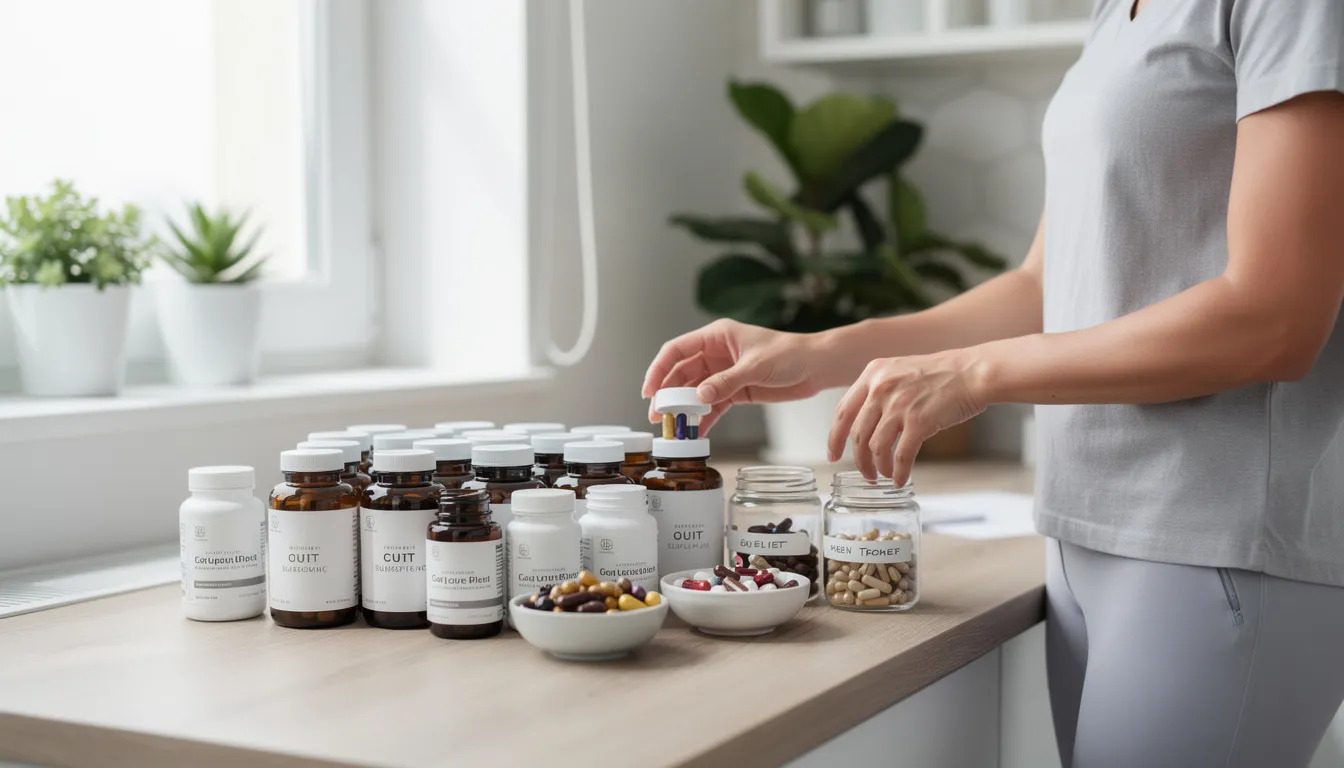
Consulting with a Healthcare Professional: Personalizing Your Supplement Plan
Personalizing your approach to anti aging supplements is essential for achieving the best results and supporting healthy aging. Consulting with a healthcare professional can help you navigate the wide range of options available, from vitamin C and vitamin E to curcumin and other targeted nutrients. A qualified professional will assess your individual health needs, identify any potential deficiencies, and recommend the most effective formulations to support your skin and overall health.
Working with a healthcare professional ensures that your supplement plan is tailored to your unique goals, lifestyle, and medical history. They can help you determine the right dosages, monitor your progress, and make adjustments as needed to optimize your results. This personalized guidance is especially important if you have underlying health conditions, take medications, or are considering combining multiple supplements.
Remember, the goal of anti aging supplements is to support healthy aging—not to replace a balanced diet or healthy lifestyle. By partnering with a healthcare professional, you can confidently select supplements that are safe, effective, and aligned with your long-term wellness goals. Always verify the credentials and expertise of your healthcare provider to ensure you’re receiving the best possible advice for your health and well-being.
Putting It All Together: Building a Safe, Realistic Routine
The evidence supports several categories of supplements for aging skin, each addressing different mechanisms:
Structural support: Collagen peptides (2.5-10g daily) + vitamin C
Antioxidant protection: Vitamins C and E, carotenoids, polyphenols
Barrier and hydration: Omega-3 fatty acids, ceramides, oral hyaluronic acid
Cellular energy and longevity: CoQ10, NMN/NAD⁺ precursors, resveratrol
Example Routines by Profile
Minimalist routine (age 40+, generally healthy skin):
Marine collagen peptides: 5g daily
Vitamin C: 500-1000mg daily
Omega-3: 1g EPA/DHA daily
Comprehensive routine (very dry, sun-damaged skin):
Marine collagen peptides: 10g daily
Vitamin C: 1000mg daily
Vitamin E: 200-400 IU daily
Omega-3: 2g EPA/DHA daily
Ceramides: per product directions
Astaxanthin: 6-12mg daily
Longevity-focused routine (prioritizing cellular health and brain function):
Marine collagen peptides: 5g daily
Vitamin C: 1000mg daily
NMN: per product directions
Resveratrol: 150-500mg daily
CoQ10 (ubiquinol): 100-200mg daily
Omega-3: 1-2g EPA/DHA daily
Final Perspective
Anti aging supplements represent one component of a comprehensive approach to skin health. They can support healthy aging but cannot replace sun protection, a balanced diet, quality sleep, stress management, and avoiding smoking. The research shows meaningful benefits for specific interventions—particularly collagen peptides, vitamin C, and omega-3s—but expectations should remain grounded.
Aging is natural and cannot be reversed. However, thoughtful, evidence-informed choices can support skin comfort, resilience, and confidence over time. The goal isn’t to look 25 at 55—it’s to have healthy, comfortable skin that reflects the care you’ve invested in your overall health.
Start with the basics, be consistent, protect your skin from the sun, and give your body the nutrients it needs to maintain itself. That’s the foundation of any effective approach to aging well.


Comments