
Proven Benefits of NMN Supplements for Healthy Aging


As we age, our cells gradually lose the capacity to produce energy efficiently, repair DNA damage, and maintain the metabolic balance that kept us feeling vibrant in our younger years. At the center of this decline sits a molecule called NAD+ (nicotinamide adenine dinucleotide), a coenzyme that powers over 400 enzymatic reactions in your body. Research suggests NAD+ levels may drop by approximately 50% between ages 40 and 60—a decline that contributes to reduced energy, slower recovery, and the metabolic challenges many people experience in midlife.
This is where nicotinamide mononucleotide (NMN) enters the conversation. NMN is a naturally occurring molecule and direct precursor to NAD+, meaning your body can convert it into this essential coenzyme relatively quickly after oral administration. Since David Sinclair’s lab at Harvard demonstrated in 2013 that NAD+ precursors could reverse age-related declines in mice, interest in NMN supplementation has grown substantially among researchers and health-conscious adults alike.
Before diving deeper, it’s important to clarify that while the evidence is promising, most proven benefits of NMN supplements come from animal studies and small human trials—not definitive anti-aging claims. This article aims to summarize science-backed findings, safety data, and practical tips for readers considering NMN as part of a broader healthy aging strategy. Nothing here constitutes medical advice; please discuss NMN with your healthcare professional, especially if you’re over 65 or managing chronic conditions.

What Is NMN and How Does It Support NAD⁺ Levels?
Nicotinamide mononucleotide nmn is a nucleotide derived from vitamin B3 (niacin) that acts as a direct precursor to NAD+. Think of NMN as raw material your cells use to manufacture this critical coenzyme. Once absorbed, NMN enters cells via specific transport mechanisms and gets converted to NAD+ within minutes, as demonstrated in pharmacokinetic studies.
NAD+ is critical for three major cellular functions:
Function |
Role in Aging |
|---|---|
Energy production |
Powers ATP generation in mitochondria via glycolysis and the TCA cycle |
DNA repair |
Enables PARP enzymes to fix DNA breaks caused by oxidative stress |
Sirtuin activity |
Activates SIRT1–SIRT7 proteins involved in stress resistance and metabolic regulation |
Why use NMN instead of taking NAD+ directly? NAD+ itself is too large and electrically charged to easily cross cell membranes. NMN and other precursors like nicotinamide riboside (NR) can enter cells and then convert to NAD+, making them more practical for supplementation.
NMN naturally occurs in small amounts in foods like edamame, broccoli, cucumbers, cabbage, avocado, and raw beef. However, dietary intake typically provides less than 5 mg daily—far below the 250–1,250 mg doses used in clinical studies. This gap explains why many people turn to supplements to meaningfully boost their nicotinamide metabolite levels.
Regulatory and Safety Landscape: What Changed After 2022?
Understanding the regulatory status of NMN supplements helps readers make informed decisions. The landscape shifted significantly in 2022 and continues to evolve.
In 2022, the FDA determined that NMN could not be marketed as a dietary supplement in the United States after a pharmaceutical company notified the agency of its intent to investigate NMN as a drug. This is a regulatory pathway issue—not a formal determination that NMN is unsafe. The distinction matters because it affects how products can be sold, not whether the compound itself poses health risks.
In 2024, the Natural Products Association (NPA) filed a lawsuit against the FDA challenging this position. This legal action led to a pause in aggressive enforcement, meaning NMN supplements remain widely available online, though their legal status stays unsettled. Regulations differ by region: some EU and Asian countries treat NMN as a novel food or allow it with specific dosage limits.
Short-term safety findings from human research:
Doses up to 1,200–1,250 mg/day in randomized controlled trials (2019–2022) were generally well tolerated
Most common mild side effects: gastrointestinal discomfort, nausea, gas, loose stools
Occasional headache or flushing reported
Long-term safety data (beyond 1–2 years) remain lacking. Some theoretical risks—such as potentially supporting growth of existing tumors via NAD+-dependent pathways—are under investigation in oncology literature but not confirmed in human studies.
Who should avoid NMN without medical supervision:
Pregnant or breastfeeding women
Individuals with active cancer or recent cancer treatment
People with advanced liver or kidney disease
Those taking experimental drugs in clinical trials
When choosing any NMN product, review third-party testing and Certificates of Analysis to confirm identity, purity, and absence of contaminants.
Proven and Emerging Benefits of NMN for Healthy Aging
The term “proven” here means supported by peer-reviewed animal studies and small human trials—not definitive evidence for disease prevention or treatment. This website uses a security service to protect data integrity, and similarly, we need to protect readers from overstated claims by being transparent about evidence quality.
More research is needed across all benefit areas, but the existing data provides meaningful insights. Let’s examine specific areas where NMN shows promise.
Metabolic Health and Insulin Sensitivity
Metabolic health tends to worsen with age as glucose control and insulin action decline. NAD+-dependent enzymes like sirtuins play crucial roles in regulating how your body processes nutrients and maintains energy balance.
A pivotal 2021 study published in Science by Yoshino et al. examined NMN supplementation in postmenopausal women with prediabetes:
Design: Randomized, placebo-controlled, double blind study
Participants: Approximately 25 women
Dose: 250 mg/day for 10 weeks
Results: The NMN group showed improved muscle insulin sensitivity and enhanced insulin signaling pathways
Limitations: No dramatic weight loss or diabetes cure; sample size was small
Supporting animal studies from Mills et al. (2016) demonstrated that long-term NMN administration in mice improved glucose tolerance, reduced age-related weight gain, and maintained healthier lipid profiles over 12 months without toxicity.
These findings suggest taking NMN supplements may support:
More efficient glucose uptake by skeletal muscle
Healthier fasting blood sugar trends when combined with diet and exercise
Potentially lower long-term metabolic stress
If you have prediabetes or diabetes, consult your physician and monitor blood sugar closely when adding NMN, as improved insulin sensitivity could affect your medication response.
Muscle Function, Physical Performance, and Mobility
Age-related decline in muscle mass and strength (sarcopenia) is a major driver of frailty and reduced independence in older adults. Maintaining aerobic capacity and muscle function becomes increasingly important after age 50.
A 2022 randomized trial examined NMN in older men aged 65–80:
Doses: 250–750 mg/day for 12 weeks
Outcomes: Increased aerobic capacity and leg strength versus placebo
Pattern: Benefits appeared dose-dependent up to mid-range doses
Safety: Side effects remained mild
Another 60-day double blind study in middle-aged adults (40–65 years) found that NMN improved 6-minute walking distance and reduced self-reported fatigue, particularly at higher doses of 600–900 mg/day. Research in healthy Japanese men has shown similar improvements in physical function markers.
Animal studies provide mechanistic support:
Improved mitochondrial function in skeletal muscle
Increased treadmill running distance in older mice
Preserved capillary density and muscle fiber integrity with age
Restored 50–70% of youthful endurance in aged mouse cohorts

For amateur runners and fitness enthusiasts over 40, NMN may support exercise performance and training adaptations. However, it likely works best in combination with regular aerobic and resistance exercise—not as a substitute for movement.
Cognitive Function, Brain Aging, and Sleep-Related Outcomes
Age-related cognitive changes—slower processing, memory lapses, reduced mental clarity—concern many adults as they age. NAD+ plays important roles in neuronal energy metabolism, synaptic plasticity, and dna repair within brain cells.
Human data from small NMN trials show participants reporting:
Modest improvements in mental clarity and attention
Reduced daytime drowsiness and better perceived alertness
These benefits occurred even when objective sleep metrics changed minimally
One study found 250 mg/day for 12 weeks increased muscle responsiveness and reduced subjective drowsiness in older adults without significantly altering total sleep time on polysomnography—suggesting benefits relate more to daytime function than sleep architecture itself.
Animal studies demonstrate more dramatic effects:
In Alzheimer’s disease mouse models, Long et al. observed a 38% reduction in mutant amyloid precursor protein
NAD+ levels increased from 3.12 to 5.51 nmol/mg protein via SIRT3 activation
Decreased mitochondrial fragmentation and improved bioenergetics
Tarantini et al. found NMN restored NAD+ approximately twofold, improving neurovascular coupling and cognitive performance in aged mice
However, there is currently no robust human evidence that NMN prevents or treats Alzheimer’s disease, Parkinson’s disease, or other dementias. Benefits are best described as supportive for brain energy metabolism and cognitive performance—not curative.
Cardiovascular Markers and Vascular Aging
Vascular stiffness, endothelial dysfunction, and oxidative stress contribute significantly to cardiovascular risk as we age. Your arteries naturally become less elastic over time, affecting blood pressure and heart health.
Evidence from rodent studies by Picciotto et al. shows NMN supplementation:
Improved endothelial function and increased nitric oxide availability
Reduced arterial stiffness and enhanced blood flow in older mice
Lowered superoxide accumulation and inflammatory markers
Increased arterial elastin while decreasing collagen-related stiffness
Small human trials suggest NMN may slightly improve aerobic capacity (maximal oxygen uptake) in older adults and support healthy blood lipid patterns in some participants, though results remain inconsistent and sample sizes limited.
As of 2024, no large randomized trials demonstrate that NMN reduces heart attack, stroke, or mortality risk. Benefits are best framed as potential support for vascular function during aging—a complement to, not replacement for, established heart-healthy behaviors like blood pressure control, Mediterranean-style nutrition, and regular exercise.
Energy, Vitality, and Subjective Well-Being
Many people start taking nmn for non-specific reasons: feeling low energy, experiencing slower recovery, or noticing reduced motivation after age 40–50. These subjective concerns are valid starting points.
Findings from early-phase human trials and open-label studies consistently show:
Improved perceived energy and reduced fatigue after 4–12 weeks
Better day-to-day functioning reported by participants
Objective metrics (step counts, walking tests) sometimes show modest parallel improvements
Placebo effects cannot be entirely ruled out given study designs
These subjective improvements connect to biological mechanisms:
Restored NAD+ may help mitochondria produce ATP more efficiently
Sirtuin activation and reduced oxidative stress support cellular resilience
Better mitochondrial function translates to improved stamina and recovery
Individual responses vary widely. Some people notice clear differences within weeks, while others report little change. Consider tracking your experience systematically—a simple log of energy levels, sleep quality, and exercise capacity over 8–12 weeks can help you judge whether NMN is meaningfully helpful for your situation.
Scientific Mechanisms: How NMN May Influence the Aging Process
Understanding why NMN might work helps you evaluate claims and set realistic expectations. Here’s what happens at the cellular level, explained in accessible terms.
The NAD+-Sirtuin Axis
Sirtuins (especially SIRT1 and SIRT3) act as master regulators of cellular stress resistance, mitochondrial biogenesis, and inflammatory pathways. These proteins require NAD+ as a cofactor to function. When NAD+ declines with age, sirtuin activity falls—potentially accelerating cellular aging. NMN supplementation aims to restore this balance.
DNA Repair and Genomic Stability
PARP enzymes use NAD+ to repair DNA breaks caused by oxidative stress and environmental damage. Research published in npj aging and similar journals demonstrates that adequate NAD+ supports more efficient DNA repair in cell and animal models. This mechanism contributes to NMN’s potential benefits for longevity.
Mitochondrial Health
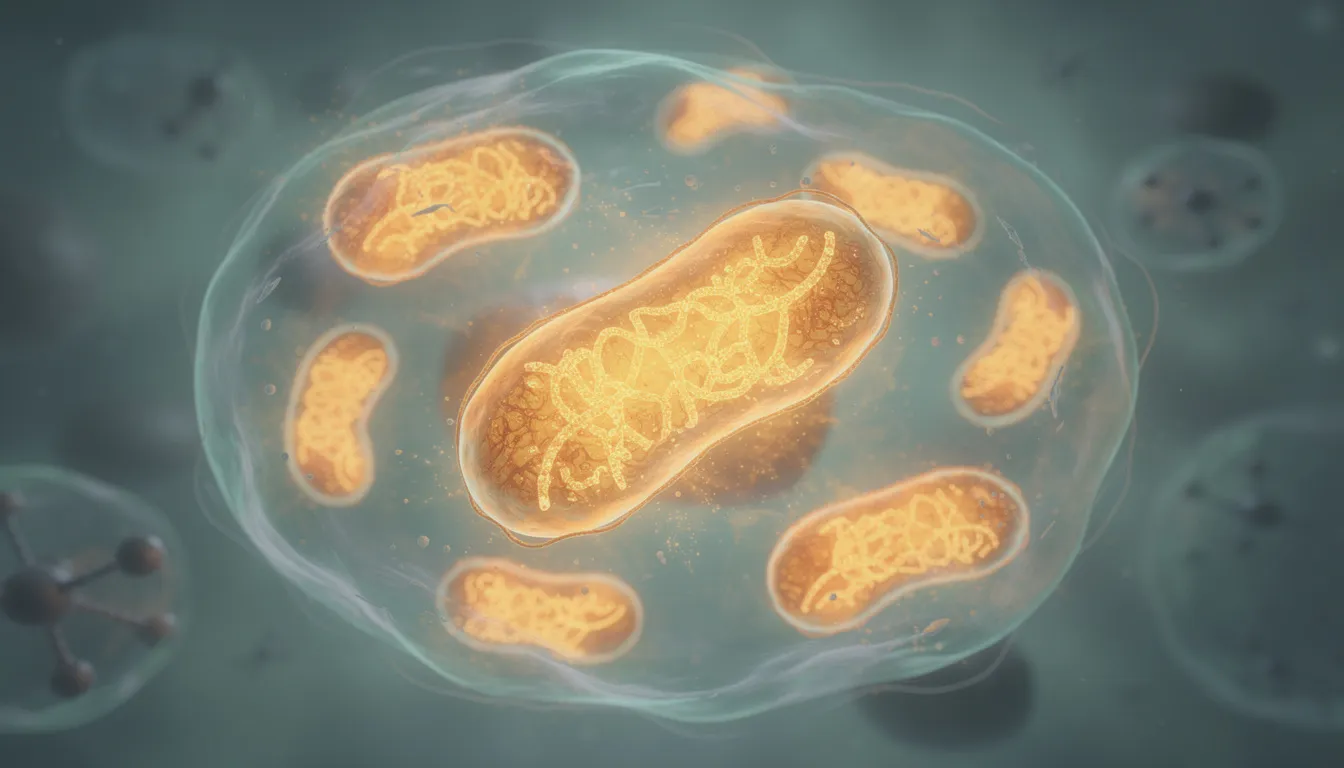
NMN supplementation in animal studies improved mitochondrial function, increased ATP production, and reduced accumulation of dysfunctional mitochondria. Work by researchers like Igarashi M and colleagues has shown these effects in multiple tissue types. Better mitochondrial function links to improved endurance, cognition, and metabolic resilience.
Inflammation and Oxidative Stress
Chronic low-grade inflammation (“inflammaging”) represents a hallmark of aging. Studies by Yi L and collaborators, along with work from Liao B and others, demonstrate that NMN-driven NAD+ restoration associates with reduced inflammatory signaling (particularly NF-κB inhibition) and lower oxidative damage markers.
These mechanisms are promising but don’t guarantee clinical outcomes. Human evidence is still catching up with mechanistic insights from laboratory research.
Dosage, Timing, and Practical Use Strategies
There’s no universally agreed “optimal” NMN dose. Guidelines are extrapolated from clinical trials conducted between approximately 2016 and 2024 and may evolve as more studies emerge.
Common dosage ranges from human studies:
Dose Range |
Typical Use |
Notes |
|---|---|---|
250–300 mg/day |
Early metabolic and sleep-related trials |
Conservative starting point |
500 mg/day |
Most common mid-range dose in 8–12 week studies |
Generally well tolerated |
1,000–1,250 mg/day |
Short-term trials only |
Limited long-term safety data |
General guidance (non-prescriptive):
Many individuals in midlife (40–60) start around 250–500 mg/day
Older adults (65+) or those with multiple medications should start lower under medical guidance
Avoid exceeding 1,000 mg/day without physician oversight
A registered dietitian or healthcare provider can help personalize dosing
Timing considerations:
Many practitioners recommend morning dosing to align with circadian rhythms
Some split doses (morning + early afternoon) for sustained NAD+ support
Avoid late-day dosing if you notice sleep disturbances
Forms of NMN:
Capsules, powders, and sublingual forms are most common. Stability and purity vary by manufacturer. Prioritize products with third-party testing for actual NMN content and low levels of impurities. Performance and security in supplement manufacturing matter—look for brands displaying Certificates of Analysis.
Foundational habits to pair with NMN:
Consistent sleep schedule (7–9 hours nightly)
Regular physical activity (both aerobic and strength training)
Nutrient-dense diet rich in colorful plants, healthy fats, and adequate protein
Stress management practices
NMN is generally considered safe at typical doses, but individuals with chronic conditions or those taking multiple medications should seek personalized guidance from a clinician familiar with NAD+ biology.
Potential Risks, Side Effects, and Who Should Avoid NMN
NMN appears well tolerated short-term based on available data, but extensive long-term safety information remains limited, especially at high doses or in vulnerable populations.
Commonly reported mild side effects from clinical trials:
Gastrointestinal upset (nausea, abdominal discomfort, diarrhea, gas)
Headache or flushing
Occasional sleep disturbance if taken late in the day
Theoretical and emerging concerns:
Excess NAD+ could theoretically support rapid cell division, potentially unfavorable for people with active or high-risk cancers
Studies by Miura M and Maier AB have explored NAD+ dynamics in various disease states
Overactivation of PARPs in certain conditions could deplete cellular energy, though this remains primarily theoretical
Research by Nakagawa Nagahama Y and colleagues continues investigating long-term implications
Groups who should avoid NMN without direct medical supervision:
Pregnant or breastfeeding women (lack of safety data)
Individuals with active malignancy or recent cancer treatment
People with advanced liver or kidney disease
Those taking experimental drugs in clinical trials
Medication interactions to consider:
Chemotherapy or anti-cancer regimens
Immunosuppressants
Certain diabetes medications (improved insulin sensitivity may require dose adjustments)
Practical recommendations:
Start with the lowest effective dose
Monitor how you feel over several weeks
Stop NMN and seek medical attention if you experience persistent or severe symptoms
Track clinical parameters your doctor can monitor
NMN is not approved by major regulators (FDA, EMA) to diagnose, treat, cure, or prevent any disease. Any page displayed while the website verifies your session through verification successful processes should also verify that supplement claims align with regulatory standards. Be wary of sites that require performing security verification before showing exaggerated health claims—legitimate science doesn’t need such protection against scrutiny. Just as a security service to protect against malicious bots uses respond ray id tracking, trustworthy supplement information should be transparent and verifiable.
How NMN Fits into a Broader Longevity and Lifestyle Plan
NMN represents one tool among many in the longevity toolkit. It cannot compensate for an unhealthy lifestyle or replace medical care. The most profound benefits likely come from combining nicotinamide mononucleotide supplementation with foundational health practices.
How NMN may synergize with evidence-based habits:
Exercise: Regular resistance training and cardio enhance endogenous NAD+ production and mitochondrial biogenesis. More nmn in your system may further support these adaptations, but movement remains essential.
Diet: Whole-food patterns like Mediterranean or plant-forward diets naturally support NAD+ biology through polyphenols, adequate B vitamins, and nutrient density. Foods rich in precursors help, though supplementation provides higher doses.
Sleep: Deep, consistent sleep is crucial for cellular repair. NAD+-regulated circadian genes may benefit from both quality sleep and NMN support.
A practical “healthy aging stack” concept:
Foundation |
Supportive Supplements |
Evidence Level |
|---|---|---|
Nutrition, movement, sleep, stress management |
NMN or NR |
Moderate (small human trials) |
Same |
Resveratrol |
Moderate (synergy data mainly from mice) |
Same |
Omega-3s |
Strong (extensive human research) |
Same |
Spermidine |
Emerging (limited human data) |
Actionable tips:
Start one change at a time rather than relying solely on supplements
Track health metrics your doctor can monitor: fasting glucose, lipids, blood pressure, walking tests, grip strength
Review progress objectively over 6–12 months using the gold standard of consistent measurement
Recognize that more studies are needed before declaring any supplement a longevity solution

Adopt a long-term mindset. Sustainable habits plus carefully chosen, evidence-informed supplements are more realistic than quick fixes for aging. One study won’t define your health trajectory—consistency will.
In summary: NMN shows promising, science-backed support for aspects of metabolic health, muscular function, and cognitive performance during aging. Research continues advancing, with more large, long-term human trials needed to confirm benefits observed in animal models. The potential benefits warrant attention, but so do potential risks for certain populations.
Work with qualified health professionals—including your physician and potentially a registered dietitian—to decide whether NMN makes sense in your personal healthy aging plan. Track your responses, maintain realistic expectations, and remember that no supplement replaces the fundamentals of nutrition, exercise, sleep, and medical care.


Comments