
Resveratrol Benefits: Science-Backed Guide to This Longevity Polyphenol


Resveratrol is a plant-based antioxidant that has captured the attention of longevity researchers and health-conscious individuals alike. Often linked to heart health, healthy aging, and the famous “French Paradox,” this compound shows intriguing potential in laboratory studies—though most evidence comes from animal and cell research rather than large human trials.
Important note: This article is for informational purposes only and does not constitute medical advice. If you’re considering resveratrol supplements or any dietary changes, please consult your healthcare provider first, especially if you take medications or have existing health conditions.
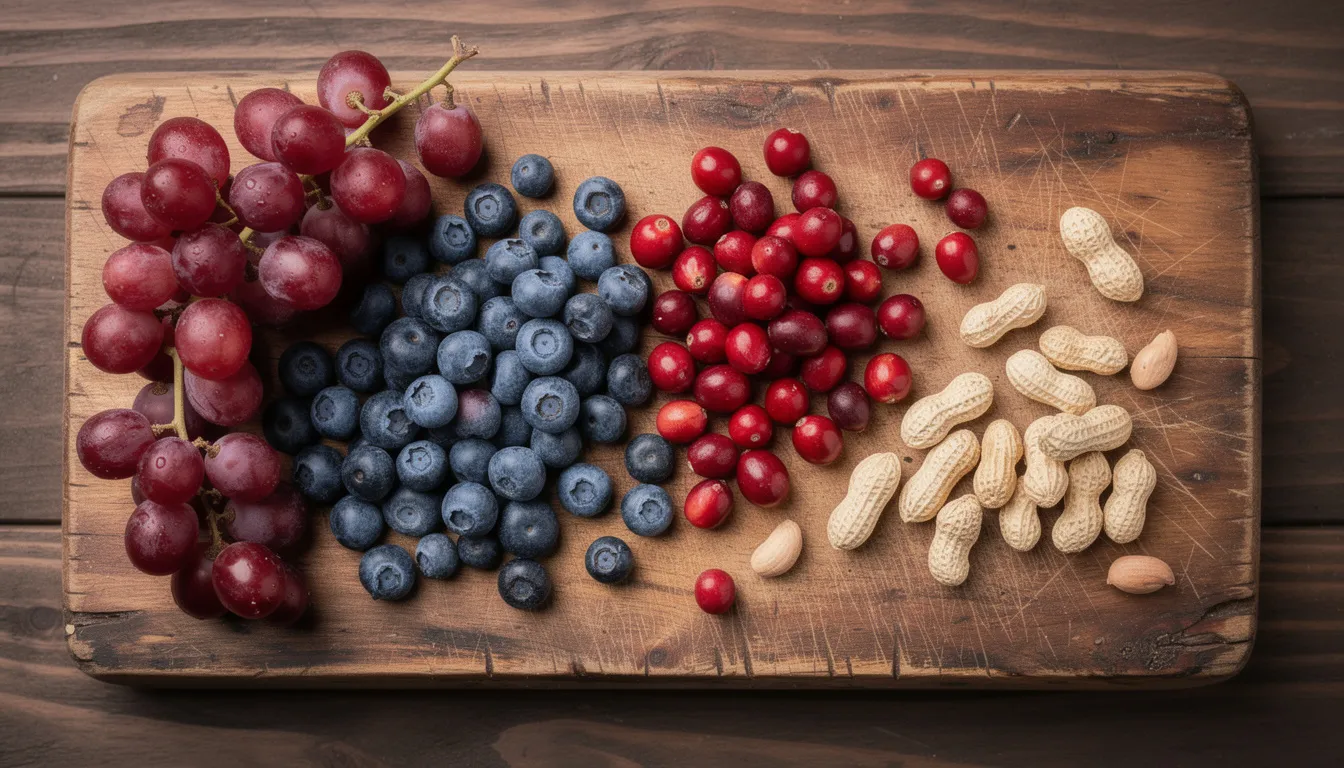
So what exactly is resveratrol? It’s a polyphenol found naturally in red grapes, berries, and peanuts—compounds you’ve likely encountered if you’ve ever heard that red wine might be good for your heart. At Vitruvin, we focus on evidence-based longevity ingredients like resveratrol, NMN, and spermidine, which means we keep close tabs on emerging research while staying grounded about what the science actually shows.
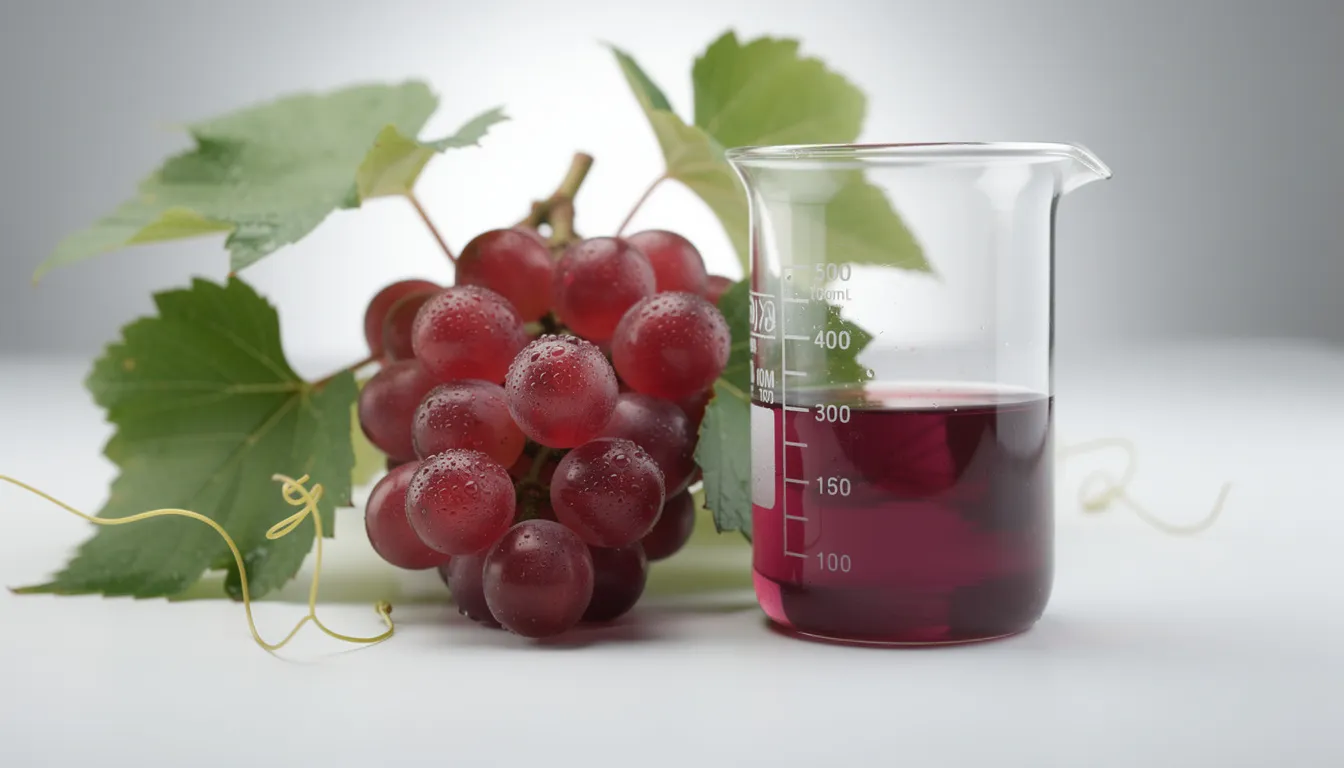
What is resveratrol? (sources, forms, and basic science)
Resveratrol belongs to a class of compounds called polyphenolic stilbenes. Plants produce it as a natural defense mechanism—a response to environmental stressors like ultraviolet radiation, fungal infection, or physical damage. When a grape vine faces threat from pathogens, it ramps up resveratrol production in its grape skins as a protective measure.
Natural food sources
You can find resveratrol in several common foods, though concentrations vary significantly:
Food Source |
Approximate Resveratrol Content |
|---|---|
Red wine |
0.2–5.8 mg per liter |
Red grapes |
0.3–1.5 mg per kilogram |
Grape juice |
Variable, typically lower than wine |
Peanuts |
0.01–0.26 mg per kilogram |
Blueberries |
Trace amounts |
Cranberries |
Trace amounts |
Dark chocolate |
Small amounts |
As you can see, even red wine—the most celebrated source—contains only a few milligrams per liter. This matters when we discuss research doses later.
Chemical forms
Resveratrol exists in two main structural forms:
Trans-resveratrol: The more stable, biologically active configuration. Most dietary sources contain primarily this form, and it’s what researchers typically study.
Cis-resveratrol: Less stable and less common in foods.
Some plants also contain glucosides like piceid, which must be converted to free resveratrol during digestion. When you see resveratrol supplements on the market, they typically standardize for trans resveratrol content—the form with the most research behind it.
The bioavailability challenge
Here’s where things get complicated. While resveratrol absorbs reasonably well from the gut, your human liver and intestinal cells rapidly metabolize it into glucuronides and sulfates. The result? Plasma levels of unchanged resveratrol often fall below 1% of what you actually consume.
This “resveratrol paradox” has puzzled researchers for years: how can a compound show such striking effects in cell and animal studies when so little reaches the bloodstream unchanged? Some scientists believe the metabolites themselves may be active, while others focus on developing better delivery systems.
How resveratrol works in the body (mechanisms, not promises)
Before diving into the specifics, it’s worth emphasizing that most mechanistic data come from test-tube experiments and animal models using doses far higher than typical dietary intake. Whether these mechanisms translate to meaningful effects in humans at realistic doses remains an active research question.
Key biological actions
Researchers have identified several ways resveratrol acts at the cellular level:
Antioxidant activity: Resveratrol can neutralize reactive oxygen species (free radicals) and upregulate the body’s own antioxidant enzymes. Studies show it increases expression of superoxide dismutase-1 (SOD-1), catalase, glutathione peroxidase, and heme oxygenase-1. In some mitochondrial studies, researchers observed up to a 14-fold increase in SOD function.
Anti-inflammatory signaling: The compound appears to suppress production of pro-inflammatory molecules like TNF-α while elevating anti-inflammatory factors like IL-10. These anti inflammatory effects work partly through modulation of NF-κB, a master regulator of inflammation.
Vascular support: Resveratrol may enhance nitric oxide production in blood vessels, promoting relaxation and improved blood flow. This nitric oxide connection is central to many cardiovascular hypotheses.
Metabolic pathway activation: Perhaps most famously, resveratrol activates SIRT1—a protein linked to cellular stress responses and longevity in animal studies. It also influences AMPK, a cellular energy sensor, and supports mitochondrial function.
The calorie restriction connection
In simple terms, resveratrol appears to activate “cellular stress-response” pathways similar to those triggered by calorie restriction in animal studies. When organisms face mild metabolic stress (like reduced food intake), they often turn on protective mechanisms that can enhance cell survival and extend lifespan—at least in laboratory settings.
Whether popping a supplement can truly mimic decades of disciplined eating in humans is far from proven. Clinical trial results have been mixed, and the gap between animal promise and human proof remains substantial.
Resveratrol and inflammation
Chronic inflammation is increasingly recognized as a root cause of many age-related diseases, including cardiovascular disease, cancer, and neurodegenerative diseases like Alzheimer’s. One of the most compelling health benefits of resveratrol supplements is their potential to combat inflammation at the cellular level. Researchers believe that the anti inflammatory effects of resveratrol may help explain its protective role in a wide range of chronic conditions.
How resveratrol may influence inflammation
Resveratrol acts on multiple pathways to help regulate the body’s inflammatory response. It can modulate the production of cytokines—chemical messengers that either promote or reduce inflammation. By shifting the balance toward anti-inflammatory cytokines and suppressing pro-inflammatory ones, resveratrol helps calm excessive immune activity. Additionally, it inhibits the activation of inflammatory cells such as macrophages and neutrophils, which are often responsible for tissue damage during chronic inflammation.
Another important mechanism is resveratrol’s ability to reduce the production of reactive oxygen species (ROS), which are highly reactive molecules that can damage cells and trigger further inflammation. By neutralizing ROS, resveratrol helps protect tissues from oxidative stress. Notably, resveratrol has also been shown to improve insulin sensitivity, which is closely linked to lower levels of inflammation throughout the body. This multifaceted approach makes resveratrol a promising candidate for supporting overall inflammatory balance.
Evidence from laboratory and clinical studies
A growing body of preclinical and clinical studies supports the anti-inflammatory effects of resveratrol. Laboratory research has demonstrated that resveratrol supplementation can reduce markers of inflammation and improve cardiovascular risk factors in healthy human subjects. For example, a study published in the Journal of Agricultural and Food Chemistry found that resveratrol supplementation led to significant reductions in inflammatory markers and improvements in blood pressure and lipid profiles.
In the context of cancer, research published in Cancer Epidemiology, Biomarkers & Prevention showed that resveratrol inhibited cancer cell growth and promoted cell death in colorectal cancer patients, highlighting its potential as a cancer chemopreventive agent. Other clinical studies have found that resveratrol supplementation can reduce inflammation and improve symptoms in individuals with metabolic syndrome—a cluster of conditions including impaired glucose tolerance, high blood pressure, and abnormal blood fats.
These effects of resveratrol have been observed in both preclinical and clinical studies, with benefits ranging from improved insulin sensitivity to reductions in inflammatory markers and enhanced cardiovascular health. While more large-scale trials are needed, the current evidence suggests that resveratrol supplementation may offer meaningful anti inflammatory effects for a variety of health concerns.
Context within overall health
The anti-inflammatory properties of resveratrol are thought to be central to its wide-ranging health benefits. By reducing chronic inflammation, resveratrol may help lower the risk of cardiovascular disease, support healthy blood pressure, and protect against neurodegenerative diseases. Some studies also suggest that resveratrol supplements may help relieve joint pain and improve cognitive function, making them a valuable addition to a longevity-focused wellness routine.
Beyond inflammation, resveratrol acts as a natural antiplatelet and anticoagulant agent, which may help reduce the risk of blood clots and cardiovascular events. Its ability to enhance nitric oxide production supports healthy blood vessel function, while reducing LDL oxidation further protects against atherosclerosis. Resveratrol rich grape supplement and red wine have both been associated with beneficial effects on cardiovascular health, though supplements offer a more concentrated and alcohol-free option.
Ultimately, taking resveratrol supplements may help lower blood pressure, reduce inflammation, and support overall cardiovascular and cognitive health. While resveratrol is not a cure-all, its anti inflammatory effects and potential as a cancer chemopreventive agent make it a promising dietary supplement for those seeking to reduce their risk of chronic disease and promote healthy aging.
Resveratrol and heart health
Cardiovascular health represents one of the most researched areas for resveratrol, particularly its potential effects on blood pressure, blood vessels, and blood fats.
Blood pressure evidence
Several meta-analyses of small human trials suggest that higher doses of oral resveratrol—typically several hundred milligrams per day—may modestly lower blood pressure in certain populations. Here’s what some clinical studies have found:
Study Parameters |
Dose |
Duration |
Systolic BP Change |
|---|---|---|---|
57 type 2 diabetes patients |
250 mg/day |
6 months |
Reduction from 139.71 mmHg baseline |
50 patients |
100 mg/day |
12 weeks |
-5.5 ± 13.0 mmHg |
45 patients |
800 mg/day |
8 weeks |
-10.42 ± 8.40 mmHg |
46 patients |
800 mg/day |
2 months |
Significant SBP and DBP reduction |
However, not all trials show consistent results. Some studies found improvements in vascular stiffness markers without significant blood pressure changes versus placebo.
How might resveratrol support blood pressure?
Researchers propose several mechanisms:
Increased nitric oxide availability, which helps blood vessels relax
Improved endothelial function (the health of blood vessel linings)
Reduced oxidative stress in vascular tissue
Inhibition of smooth muscle cell proliferation via PI3K/AKT/mTOR pathways
These explanations come mainly from preclinical and clinical studies with relatively small sample sizes. The protective effects on endothelial dysfunction show promise but need larger confirmation trials.
Blood lipids and cholesterol
Some human studies using resveratrol rich grape supplement formulations or red wine extracts have reported reductions in LDL cholesterol and ldl oxidation, with possible modest improvements in HDL cholesterol in certain groups. The compound may help protect against low density lipoprotein oxidation—a process implicated in atherosclerosis development.
Research published in journals like j agric food chem and mol nutr food res has explored how three wine related polyphenols, including resveratrol, influence cardiovascular risk factors. Some investigations using red wine phenolics trans-resveratrol combinations showed benefits for blood fats, though results vary across studies.
Important perspective
Current evidence does not justify using resveratrol as a standalone treatment for hypertension, high cholesterol, or coronary heart disease. The established interventions—diet modification, regular exercise, adequate sleep, smoking cessation, and when necessary, medications—remain the foundation of cardiovascular disease prevention.
Think of resveratrol research as an interesting area of investigation rather than a proven therapy for heart disease.

Resveratrol and metabolic health (insulin sensitivity, blood sugar, and weight)
For readers interested in longevity, metabolic health sits at the center of the conversation. How well your body manages insulin sensitivity, blood sugar control, body weight, and related factors significantly influences long-term health outcomes.
What preclinical research shows
Animal and cell studies suggest resveratrol can:
Improve insulin sensitivity through SIRT1 and AMPK activation
Reduce oxidative stress associated with high blood sugar
Influence enzymes involved in glucose metabolism
Potentially address aspects of metabolic syndrome
In rodent models, resveratrol administration has shown improvements in glucose handling and reduced markers of metabolic dysfunction—particularly in animals fed high-fat diets.
Human clinical trial results
The picture becomes murkier when we look at human data. Clinical trials in people with type 2 diabetes and impaired glucose tolerance have produced mixed results:
Positive findings: Some studies report improved insulin sensitivity or small reductions in fasting glucose and HbA1c at doses ranging from 250–1000 mg/day. One trial in 57 type 2 diabetes patients using 250 mg daily for 6 months showed metabolic improvements alongside blood pressure benefits.
Inconsistent results: Other well-designed trials found no significant differences between resveratrol treatment and placebo groups for key metabolic markers.
Researchers continue investigating whether resveratrol supplementation might help treat diabetes or metabolic dysfunction, but we’re far from consensus.
Body weight considerations
Animal models suggest resveratrol may influence body weight and fat distribution. However, human data remain limited and certainly not strong enough to recommend resveratrol as a weight-loss supplement. If you see products marketed this way, approach with healthy skepticism.
Critical reminder
No one should alter diabetes medications or rely on resveratrol instead of proven medical and lifestyle approaches. Supplemental resveratrol for metabolic conditions should only be considered under healthcare professional supervision, not as a replacement for evidence-based treatments.
Resveratrol, brain health, and cognitive aging
Oxidative stress, chronic inflammation, and vascular health all play documented roles in brain aging. Given resveratrol’s effects on these pathways, researchers have naturally investigated its potential for neuroprotective applications.
One area of particular interest is Alzheimer's disease, which is characterized by the accumulation of β-amyloid plaques in the brain. Resveratrol has been studied for its ability to facilitate β-amyloid clearance and influence disease biomarkers, potentially offering neuroprotective effects. Ongoing clinical research is exploring whether resveratrol supplementation can impact cognitive decline associated with Alzheimer's disease, with early findings suggesting a possible benefit in slowing disease progression.
Proposed mechanisms for brain support
Resveratrol might theoretically support brain health through several routes:
Antioxidant activity protecting neurons from oxidative damage
Supporting blood vessel function in the brain
In preclinical models, interfering with aggregation of beta-amyloid fragments—proteins implicated in Alzheimer's disease. Alzheimer's disease is characterized by β-amyloid plaque accumulation, and resveratrol may have neuroprotective effects by facilitating β-amyloid clearance and influencing disease biomarkers. Ongoing clinical research is exploring the potential impact of resveratrol on cognitive decline associated with Alzheimer's disease.
Restoring mitochondrial function with elevated glutathione, GR, catalase, and acetylcholinesterase levels
Animal studies have shown enhanced cognitive function markers and reduced neuroinflammation with resveratrol supplementation.
Human evidence
Small human studies have explored cognitive function outcomes with resveratrol supplementation. Some report changes in cerebral blood flow measured by neuroimaging and improvements in certain cognitive measures. However, these studies typically involve limited participants and short durations.
Research examining resveratrol for neurodegenerative diseases like Alzheimer’s remains in early phases. While preclinical data show interference with disease-related protein aggregation, translating these findings to human treatment protocols requires much more work.
Where we stand
No major medical body currently recommends resveratrol to prevent or treat dementia or other neurodegenerative diseases. Most evidence remains preclinical or exploratory. The research direction shows promise, but we should use language like “potential” and “being studied” rather than making definitive claims about brain protection.
Longevity and healthy aging: what we actually know
The longevity story is perhaps the most captivating—and most frequently overstated—aspect of resveratrol research.
Animal experiments
Famous experiments demonstrated that resveratrol could extend lifespan in organisms ranging from yeast to worms to flies to certain mouse models. The landmark 2003 Harvard research showing SIRT1 activation sparked enormous interest in resveratrol’s potential to extend lifespan.
In mice fed high-fat diets, resveratrol supplementation appeared to counteract many negative metabolic effects while activating longevity-associated pathways. Some studies reported 20-30% lifespan extension in simpler organisms through sirtuin and AMPK activation.
The mechanisms behind longevity claims
These effects appear tied to:
Activation of sirtuins, particularly SIRT1
AMPK pathway stimulation
Enhanced mitochondrial biogenesis
Mimicking some biological effects of calorie restriction
Maternal supplementation studies in mice showed interesting epigenetic effects, with offspring showing increased Nrf2 and NF-κB promoter methylation that might influence long-term health outcomes.
Human reality check
Here’s the honest truth: there is currently no convincing evidence that resveratrol supplements extend human lifespan. Human trials have been too short and too small to assess true longevity outcomes. We simply don’t have the data.
What we can say is that preclinical and clinical studies suggest potential benefits for certain health markers associated with aging—cardiovascular function, metabolic parameters, possibly cognitive measures. Whether these translate to actual lifespan extension in humans remains unknown.
A more realistic framing
Rather than viewing resveratrol as an “anti-aging pill,” consider it a potential “healthspan-supporting” compound—one that may, in theory, help maintain certain aspects of cardiovascular, metabolic, or cognitive health as part of a broader lifestyle plan.
At Vitruvin, we view resveratrol as one tool among many in a longevity-focused lifestyle. The foundations remain non-negotiable: quality nutrition, regular movement, restorative sleep, stress management, and avoiding harmful habits like smoking.
Resveratrol and joint, skin, and other emerging areas
Beyond cardiovascular and metabolic research, scientists are exploring resveratrol’s potential in several other domains—mostly through early-stage and preclinical work.
Joint health
Animal data suggest that high-dose resveratrol (often via injection) can reduce cartilage damage and cell death in arthritis models. The compound’s anti inflammatory properties make it an interesting candidate for joint research.
However, robust human evidence for oral resveratrol to relieve joint pain or slow arthritis progression remains lacking. If you’re experiencing joint pain, proven interventions like appropriate exercise, weight management, and medical treatments should remain your focus.
Skin aging
Topical resveratrol is being explored for photoaging, pigmentation, and skin elasticity. Some small cosmetic studies—often industry-sponsored—suggest improvements in fine lines and skin texture.
These represent early findings rather than established dermatological recommendations. The beneficial effects of topical application may differ significantly from oral supplementation due to different delivery to skin cells.
Cancer research context
Resveratrol has been extensively studied as a potential cancer chemopreventive agent in laboratory settings. Research published in journals like cancer res and cancer epidemiol biomarkers prev has examined how the cancer chemopreventive agent resveratrol influences tumor cell proliferation, cancer cell growth, and cell proliferation in various models.
Studies have explored effects on breast cancer, colorectal cancer patients, and other cancer cell types. A dose escalation pharmacokinetic study examined how resveratrol behaves in healthy volunteers and colorectal cancer patients, contributing to our understanding of its pharmacology.
The effects of resveratrol on cell survival pathways, apoptosis, and platelet activation have been documented in preclinical models. However, it’s crucial to understand that laboratory findings showing resveratrol influences cancer cell behavior do not translate into recommendations to treat cancer with supplements.
This is not a cancer treatment. Anyone dealing with cancer should work exclusively with their oncology team and evidence-based medical protocols.
Safety, side effects, and interactions
Resveratrol appears well tolerated for most healthy adults at commonly studied doses. However, higher doses and long-term use require more research before we can make confident safety statements.
Dosing observations from research
Clinical studies have typically used doses in these ranges:
Dose Range |
Observations |
|---|---|
250–500 mg/day |
Generally well tolerated in studies up to several months |
500–1000 mg/day |
Used in some cardiovascular and metabolic trials |
2000–3000 mg/day |
Higher doses associated with gastrointestinal side effects |
Reported side effects at higher doses include nausea, diarrhea, stomach discomfort, and digestive upset. A repeat dose study format helps researchers understand how the body handles sustained resveratrol intake, and most safety data comes from these controlled settings.
Drug interactions and concerns
Several interaction considerations deserve attention:
Blood clotting: Resveratrol may affect platelet function. Combined with anticoagulants (like warfarin) or antiplatelet drugs, it could theoretically increase bleeding risk and affect blood clots formation. Anyone on blood thinners should consult their physician before taking resveratrol supplements.
Liver enzyme effects: Resveratrol may influence drug-metabolizing enzymes in the human liver, particularly CYP3A4. This could affect how other medications are processed.
Hormone-related concerns: Due to potential binding to estrogen receptors alpha and other hormone-related effects, theoretical concerns exist for hormone-sensitive conditions. The compound shows some estrogenic mimicry properties in laboratory studies.
Who should seek medical advice first
The following groups should definitely consult healthcare providers before using resveratrol:
People taking blood thinners or blood pressure medications
Those with hormone-sensitive cancers or conditions
Individuals scheduled for surgery (due to bleeding concerns)
Pregnant or breastfeeding women
Anyone with liver conditions
People taking multiple medications
Quality matters
Dietary supplements vary widely in actual content and purity. Products labeled as containing specific amounts may not deliver what they promise. Third-party testing and transparent Certificates of Analysis provide important quality verification—something we emphasize at Vitruvin across all our longevity-focused supplements.

How to get resveratrol: food vs. supplements
Understanding your options helps you make informed decisions about whether and how to incorporate resveratrol into your routine.
Dietary sources: realistic expectations
Most people get relatively small amounts of resveratrol from food. To put this in perspective:
A glass of red wine contains roughly 0.5–2 mg of resveratrol
You’d need to drink dozens of glasses daily to approach supplement doses
Grape juice provides some resveratrol but at even lower concentrations
Peanuts and berries contribute trace amounts
Research doses often range from 150–1000+ mg daily—quantities impossible to achieve through diet alone without consuming unrealistic amounts of food or alcohol.
Pros and cons of food sources
Advantages:
Whole foods provide synergistic compounds (other polyphenols, fiber, vitamins)
Generally safe for most people
Part of established healthy dietary patterns
No supplement quality concerns
Disadvantages:
Cannot match concentrated research doses
Red wine carries alcohol-related health risks
Inconsistent resveratrol content across foods
Not practical for therapeutic research applications
Important: Red wine should not be viewed as medicine. Alcohol consumption carries documented health risks that may outweigh any potential resveratrol benefits. Public health guidelines don’t recommend starting to drink for any supposed health advantage.
Pros and cons of supplements
Advantages:
Precise, consistent dosing
Convenience
Can achieve research-level concentrations
Options for specific forms (trans-resveratrol standardization)
Disadvantages:
Variable product quality across brands
Limited long-term safety data at high doses
Not regulated like medications
Potential for interactions
Doesn’t provide whole-food nutrient synergies
The balanced approach
Consider supplements as an adjunct to—not a replacement for—a whole-food, plant-rich diet and foundational lifestyle habits. The most robust longevity evidence supports eating patterns like Mediterranean-style diets, which naturally include resveratrol-containing foods alongside hundreds of other beneficial compounds.
Practical tips if you’re considering resveratrol
If you’re thinking about trying resveratrol, here’s a practical framework to guide your decision-making in partnership with your healthcare provider.
Before you start
Consult a clinician – especially important if you take medications, have chronic conditions, or are in a special population (pregnant, nursing, scheduled for surgery)
Review your baseline – consider existing blood work and health goals; understand what you’re hoping to achieve
Assess fit within overall strategy – resveratrol works best as part of a comprehensive health approach, not as a standalone fix for any condition
Research product quality – look for clear labeling of trans-resveratrol content, third-party lab verification, and Certificates of Analysis
If you proceed
Start with lower doses (if approved by your clinician) to assess tolerance
Monitor for side effects – watch for digestive upset, unusual bruising, or bleeding
Reassess periodically – don’t assume indefinite use; evaluate every few months whether benefits justify continued supplementation
Track relevant markers – if appropriate, work with your healthcare provider to monitor blood pressure, blood sugar, or other relevant parameters
Quality checklist
When evaluating resveratrol supplements, look for:
Specified trans-resveratrol content per serving
Third-party testing documentation
Certificates of Analysis available
Clear ingredient lists without unnecessary additives
Vegan and allergen-free formulations if relevant to your needs
Reputable manufacturer with transparent practices
Don’t forget the foundations
No supplement replaces the proven pillars of longevity and healthy aging:
Regular movement – both cardiovascular exercise and resistance training
Nutrient-dense diet – emphasizing vegetables, fruits, whole grains, healthy fats
Quality sleep – 7-9 hours for most adults
Stress management – whatever works for you (meditation, nature, social connection)
Avoiding harmful habits – especially smoking
At Vitruvin, we believe supplements can complement these foundations—but never substitute for them.
Key takeaways on resveratrol benefits
Resveratrol is a plant polyphenol with promising antioxidant, anti-inflammatory, and vascular-supportive actions demonstrated primarily in laboratory and animal research. The compound influences cellular pathways related to oxidative stress, inflammation, and metabolism, with studies in healthy subjects and various patient populations exploring its effects.
Research suggests potential benefits for cardiovascular markers (including blood pressure in some trials), metabolic health (insulin sensitivity in certain contexts), cognitive function (early-stage investigations), and various aspects of aging biology. However, large, long-term human trials remain limited, and results across studies are mixed—some showing significant effects, others finding no difference from placebo.
Resveratrol should never replace prescribed treatments for any medical condition. Whether you’re managing cardiovascular disease, diabetes, or any other health concern, medical guidance remains essential. Taking resveratrol supplements without professional oversight isn’t advisable for anyone with chronic disease or those on medications.
Ongoing clinical trials will help clarify who might benefit most from resveratrol compared to placebo, at what doses, and for what durations. Research on higher doses, different formulations, and combination approaches with other longevity compounds continues to evolve. We’ll keep following this science to help readers interested in longevity-focused nutrition separate emerging evidence from premature claims.
The honest bottom line? Resveratrol represents one of the more interesting compounds in longevity research, but we’re still learning who it helps, how much is needed, and whether the benefits observed in cells and animals translate meaningfully to human health outcomes. Making informed decisions means understanding both the promise and the current limitations of the evidence.


Comments